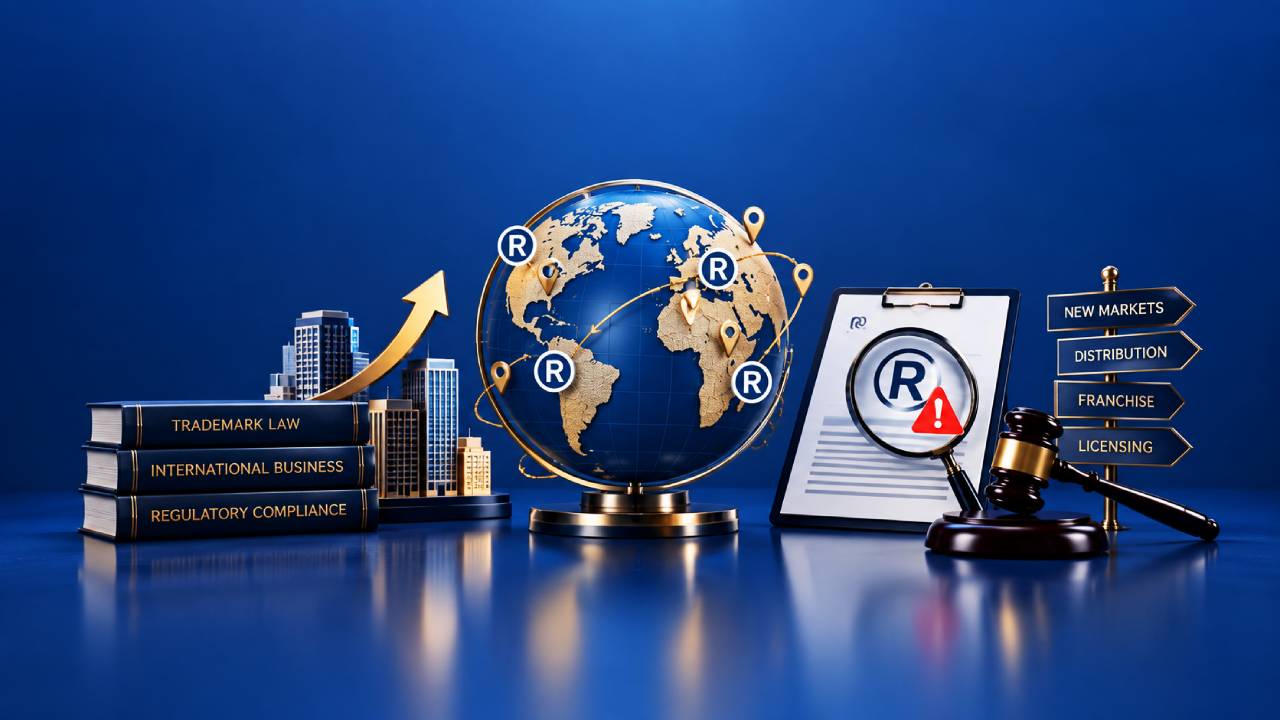

In today’s competitive market, understanding trademarks vs branding in India is essential for businesses aiming to build a strong and protected identity. Many entrepreneurs assume branding and trademarks are the same. In reality, they serve different purposes while complementing each other. Branding shapes how customers perceive a business, while trademarks provide legal protection to that identity. A clear understanding of both helps businesses grow with confidence and avoid legal risks.
This article explains the distinction between trademarks and branding, their importance in India, and how businesses can align both for long term success.
Understanding Branding in the Indian Business Context
Branding refers to the overall perception of a business in the minds of consumers. It includes the name, logo, design, messaging, and customer experience associated with a company. Branding is not limited to visual identity. It reflects values, quality, and trust.
In India, branding has become increasingly important due to the rise of digital platforms and consumer awareness. Businesses invest heavily in creating a unique identity to stand out in crowded markets. A strong brand helps attract customers, build loyalty, and create emotional connections. However, branding alone does not provide legal ownership. Without trademark protection, a brand remains vulnerable to imitation and misuse.
What Is a Trademark
A trademark is a legal right granted to protect distinctive signs used in commerce. It can include names, logos, slogans, and even sounds or colours in certain cases.
In India, trademarks are governed by the Trade Marks Act, 1999 and administered by the Controller General of Patents, Designs and Trade Marks. Registration provides exclusive rights to use the mark in relation to specific goods or services. A trademark ensures that no other business can use a similar mark in a way that causes confusion. It acts as a legal shield for the brand.
Trademarks vs Branding in India
The distinction between trademarks and branding lies in their function. Branding is a marketing concept, while a trademark is a legal tool. Branding creates identity and recognition. A trademark protects that identity under the law.
For example, a company may invest in designing a logo and building a reputation. This is branding. Once the logo is registered as a trademark, it gains legal protection. Without registration, the brand may still exist but lacks enforceable rights. Businesses must understand that branding and trademarks are not substitutes. They work together to create and protect value.
Why Indian Businesses Must Align Branding with Trademarks
Aligning branding with trademark protection is crucial for sustainable growth. When both are integrated, businesses can build strong identities while ensuring legal security.
A mismatch between branding and trademark registration can lead to disputes. For instance, a business may build a brand name without checking its availability. If another entity holds a similar trademark, legal action may follow. Top companies in India prioritise trademark registration at an early stage. This ensures that their branding efforts are supported by legal rights.
Legal Protection and Business Risk
One of the key advantages of trademarks is legal protection. A registered trademark allows businesses to take action against infringement and passing off.
Indian courts recognise the importance of trademarks in protecting brand identity. They provide remedies such as injunctions and damages to prevent misuse.
Without trademark protection, businesses may struggle to enforce their rights. This can result in loss of revenue and damage to reputation.
For accurate information on registration procedures, businesses can refer to the official platform of the Office of the Controller General of Patents, Designs and Trade Marks.
Role of Branding in Business Growth
While trademarks provide legal security, branding drives business growth. A strong brand attracts customers and creates loyalty. It differentiates a business from competitors and enhances market presence.
Branding also plays a key role in marketing and communication. It helps convey the value and purpose of a business in a clear and consistent manner.
However, branding without legal protection can be risky. Competitors may copy or imitate a successful brand, leading to confusion among consumers.
Financial Value of Trademarks and Branding
Both trademarks and branding contribute to the financial value of a business. Branding creates goodwill, while trademarks convert that goodwill into a legally protected asset.
Investors often consider intellectual property as a key factor in evaluating businesses. A registered trademark increases credibility and can enhance valuation.
For startups and growing enterprises, combining strong branding with trademark protection can attract investment and support expansion.
Common Misconceptions Among Businesses
Many businesses believe that registering a company name automatically provides trademark rights. This is not correct. Company registration and trademark registration are separate processes.
Another misconception is that branding alone is sufficient. While branding builds recognition, it does not prevent others from using similar marks.
Businesses also assume that trademarks are only necessary for large companies. In reality, even small businesses can benefit significantly from early trademark protection. Seeking guidance from best trademark lawyers for business can help clarify these misconceptions and ensure proper strategy.
International Expansion and Brand Protection
As Indian businesses expand globally, the importance of trademarks increases. Branding may be recognised across borders, but legal protection must be secured in each jurisdiction.
International frameworks such as those managed by the World Intellectual Property Organization facilitate cross border trademark registration. Businesses aiming for global growth should consider professional support for Cross-border trademark registration services to ensure consistent protection in different markets.
Digital Era and the Need for Integrated Strategy
The digital economy has amplified the importance of both branding and trademarks. Businesses operate through websites, social media, and online marketplaces. This increases visibility but also exposes brands to risks. Unauthorised use of brand elements can occur easily in the digital space. Trademark protection enables businesses to take action against such misuse. An integrated approach combining branding and trademark registration ensures that businesses can maintain control over their identity across all platforms.
Building a Strong Trademark and Branding Strategy
A successful strategy begins with selecting a distinctive brand name and identity. Conducting a trademark search before finalising branding helps avoid conflicts. Once a unique brand is established, registering it as a trademark ensures legal protection. Businesses should also monitor their trademarks and take timely action against infringement. Regular review of branding and trademark portfolios helps maintain consistency and adapt to changing market conditions.
Conclusion
Understanding trademarks vs branding in India is essential for building a strong and secure business identity. Branding creates recognition and emotional connection, while trademarks provide legal protection and enforceable rights.
Businesses must treat both as complementary elements rather than separate concepts. By aligning branding with trademark registration, companies can protect their identity, avoid disputes, and achieve long term growth. In a competitive and evolving market, a well balanced approach to branding and trademarks is not just beneficial. It is necessary for sustainable success.
Frequently Asked Questions (FAQs)
What is the difference between branding and a trademark?
Branding refers to the overall identity and perception of a business, while a trademark is a legal right protecting specific elements of that identity.
Is trademark registration necessary for branding
Trademark registration is not mandatory, but it is highly recommended to secure legal protection for brand elements.
Can a brand exist without a trademark
Yes, but it remains vulnerable to misuse and lacks strong legal protection.
Does company registration provide trademark rights
No, company registration and trademark registration are separate processes with different legal implications.
How long does trademark protection last in India
Trademark protection lasts for ten years and can be renewed indefinitely.