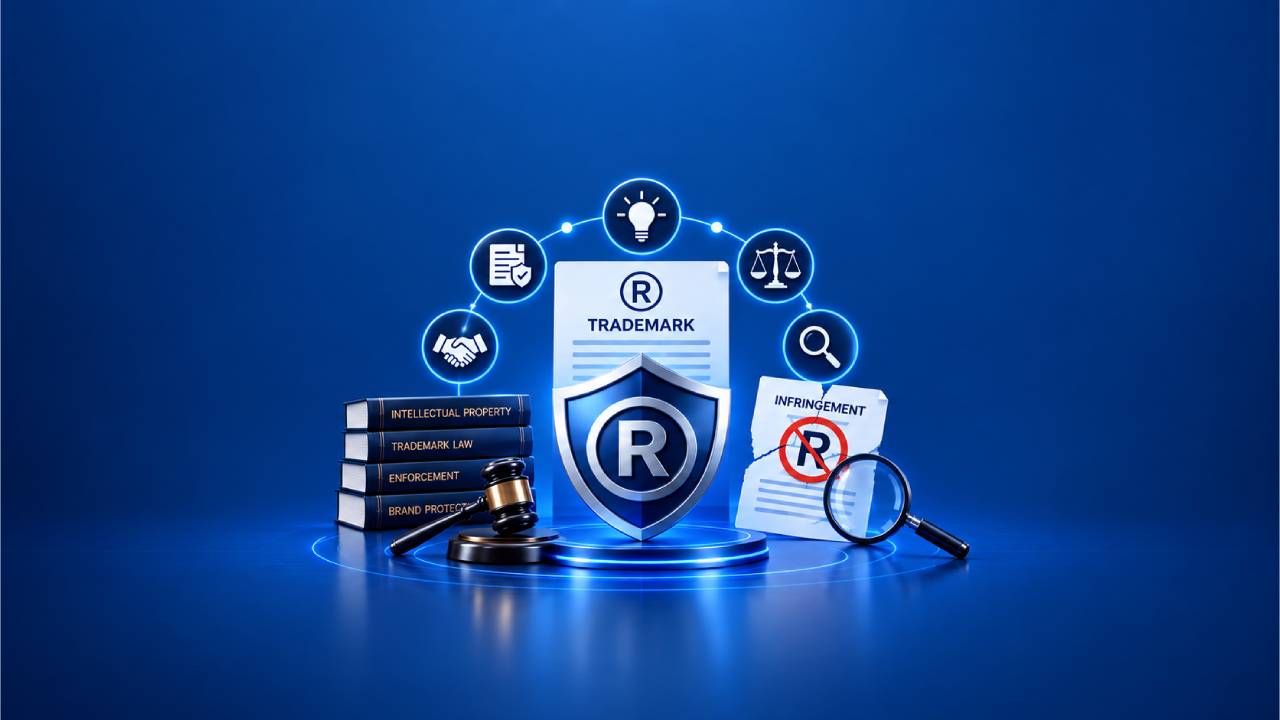

Counterfeit products continue creating serious challenges for businesses across India. From fashion and electronics to pharmaceuticals and consumer goods, fake products damage brand reputation, reduce customer trust, and affect long term business growth. As online commerce and international trade continue expanding, companies increasingly require a strong anti-counterfeiting checklist in India to protect intellectual property rights and maintain market credibility.
Modern counterfeit networks operate across ecommerce platforms, social media channels, retail supply chains, and cross border trade routes. Fake sellers often imitate trademarks, packaging designs, labels, and product appearance to deceive consumers. Businesses must therefore adopt proactive enforcement strategies instead of reacting only after counterfeit products become widespread in the market.
A well structured anti counterfeiting strategy combines legal protection, marketplace monitoring, customs enforcement, technological safeguards, and consumer awareness. Businesses which implement preventive systems early are better positioned to reduce financial losses and preserve consumer confidence.
Why Businesses Need an Anti Counterfeiting Strategy
Counterfeit products affect businesses in multiple ways. Revenue losses remain one of the most immediate concerns, but reputational damage often creates longer lasting consequences.
Consumers who unknowingly purchase fake products may associate poor quality with the original brand. In industries such as healthcare, cosmetics, automotive components, and electronics, counterfeit goods may also create serious health and safety risks.
The rise of ecommerce has increased counterfeit activity significantly. Online marketplaces allow counterfeit sellers to reach customers quickly across different regions without maintaining physical retail stores. Social media advertising and digital payment systems have further accelerated the growth of counterfeit trade. Businesses must therefore recognise counterfeit prevention as an essential part of overall commercial risk management and intellectual property protection.
Understanding the Legal Framework in India
India provides several legal remedies against trademark infringement and counterfeit activities. The Trade Marks Act, 1999 remains one of the primary legal tools for protecting brand identity and preventing unauthorised use of trademarks. Trademark owners may seek injunctions, damages, seizure of counterfeit goods, and criminal enforcement against infringers. Courts in India increasingly recognise the importance of intellectual property protection in digital and physical marketplaces.
The Copyright Act, 1957 protects artistic works, labels, packaging designs, and promotional material commonly misused by counterfeiters. Businesses may also use customs enforcement measures under the Intellectual Property Rights Enforcement Rules to prevent counterfeit imports entering India through ports and airports. For official trademark related information, businesses may refer to the Office of the Controller General of Patents, Designs and Trade Marks. Information regarding customs protection measures is available through the Central Board of Indirect Taxes and Customs.
Anti Counterfeiting Checklist in India
1. Secure Trademark Registration
Trademark registration forms the foundation of anti counterfeiting enforcement. Businesses should register trademarks across relevant product categories and jurisdictions to strengthen legal protection.
Unregistered trademarks may receive limited protection through passing off actions, but registered trademarks provide stronger and more effective enforcement rights. Companies should also review trademark portfolios regularly to ensure registrations remain updated and commercially relevant.
2. Monitor Online Marketplaces Continuously
Online marketplaces remain one of the largest sources of counterfeit activity today. Businesses should regularly monitor ecommerce platforms, independent websites, and social media channels for suspicious listings. Monitoring should include seller profiles, pricing patterns, product descriptions, copied images, and unauthorised use of logos or trademarks. Technology based monitoring systems using artificial intelligence can improve detection speed and identify counterfeit listings across multiple platforms simultaneously.
3. Maintain Evidence of Infringement
Evidence collection is critical for successful enforcement. Businesses should preserve screenshots, invoices, seller information, customer complaints, and product samples when counterfeit activity is detected.
Proper documentation supports marketplace takedown requests, legal proceedings, customs enforcement, and criminal investigations. Maintaining organized records also improves response efficiency during urgent enforcement situations.
4. Use Product Authentication Measures
Authentication technologies help consumers identify genuine products and reduce counterfeit risks. Many businesses now use QR codes, serial numbers, holograms, RFID systems, and blockchain tracking tools to verify product authenticity. Tamper resistant packaging and unique identification systems also strengthen supply chain security and improve consumer confidence.
5. Conduct Market Investigations
Offline markets continue contributing to counterfeit distribution despite ecommerce growth. Businesses should therefore conduct regular market investigations to identify counterfeit supply chains, warehouses, and unauthorized distributors. Investigations may reveal links between physical retail operations and online counterfeit networks. Professional investigators often help businesses trace manufacturing sources and distribution routes more effectively.
6. Record Intellectual Property Rights With Customs
Customs recordable helps businesses prevent counterfeit imports from entering Indian markets. Once intellectual property rights are recorded with customs authorities, officials may identify and detain suspicious shipments. Border enforcement remains particularly important for industries heavily affected by international counterfeit trade such as electronics, luxury goods, pharmaceuticals, and automotive parts. Businesses should provide customs authorities with product identification details and information regarding authorised importers.
7. Strengthen Distributor and Supply Chain Controls
Weak supply chain controls often create opportunities for counterfeit infiltration and grey market distribution. Businesses should verify distributors carefully and maintain clear contractual obligations regarding product sourcing and resale activities. Regular audits and compliance reviews improve supply chain transparency and reduce unauthorised distribution risks.
8. Educate Consumers About Product Authenticity
Consumer awareness significantly supports anti counterfeiting efforts. Businesses should educate customers regarding authorised sellers, official websites, and authentication methods. Clear communication helps consumers identify genuine products more easily and reduces accidental counterfeit purchases. Businesses should also encourage customers to report suspicious products and counterfeit listings.
9, Develop Internal Counterfeit Reporting Systems
Employees, distributors, retailers, and customer support teams should understand how to identify and report counterfeit products. Internal reporting systems help businesses respond more quickly to suspicious activity and strengthen overall enforcement coordination. Staff training also improves consistency in evidence collection and marketplace monitoring.
10. Coordinate Legal Enforcement Promptly
Delays in enforcement often allow counterfeit products to spread more widely across the market. Businesses should therefore respond quickly after identifying infringement activity. Legal enforcement may involve cease and desist notices, marketplace takedown requests, civil litigation, criminal complaints, and customs coordination. An experienced anti counterfeit attorney in Mumbai can assist businesses in managing investigations, enforcement actions, and urgent intellectual property disputes more effectively.
Importance of Technology in Anti Counterfeiting Enforcement
Technology continues reshaping counterfeit prevention strategies across industries. Automated monitoring systems now help businesses detect suspicious listings and trademark misuse in real time. Artificial intelligence tools analyze product listings, customer reviews, seller behavior, and pricing inconsistencies across digital marketplaces. Blockchain based systems improve supply chain transparency by recording product movement throughout distribution networks. These systems help businesses identify unauthorised diversion and counterfeit infiltration more effectively. Digital authentication technologies also improve consumer participation in counterfeit prevention efforts.
Challenges Businesses Continue Facing
Despite stronger enforcement mechanisms, counterfeit trade remains difficult to eliminate completely. Counterfeit sellers frequently change identities and operate across multiple platforms and jurisdictions. Anonymous digital payment systems and encrypted communication channels further complicate investigations. Cross border trade creates additional enforcement challenges because counterfeit goods may pass through several jurisdictions before reaching consumers. Smaller businesses may also face financial and operational constraints while maintaining continuous marketplace monitoring and legal enforcement activities. However, businesses which delay anti counterfeiting action often experience greater reputational damage and long term commercial losses.
Why Collaboration Is Important in Brand Protection
Modern anti counterfeiting enforcement requires cooperation between businesses, legal professionals, investigators, customs authorities, ecommerce platforms, and technology providers. Marketplaces increasingly support intellectual property protection through reporting systems and automated detection tools. Customs authorities also collaborate with businesses during shipment inspections and counterfeit investigations. Consumers themselves now play an important role by reporting suspicious products and counterfeit listings. Many businesses work closely with intellectual property lawyers in India to develop customized enforcement strategies suited to industry specific risks and commercial priorities.
Future of Anti Counterfeiting Enforcement in India
As ecommerce and digital commerce continue expanding, counterfeit prevention strategies will become increasingly technology focused and data driven. Artificial intelligence, machine learning, blockchain systems, and advanced authentication technologies are expected to play larger roles in counterfeit detection and supply chain monitoring. Regulatory authorities may also strengthen enforcement procedures and marketplace compliance obligations in response to growing counterfeit risks. Businesses investing in proactive brand protection today will likely maintain stronger market credibility and consumer trust in the future.
Conclusion
Counterfeit products continue posing serious risks for businesses operating in India’s evolving digital economy. A comprehensive anti-counterfeiting checklist in India helps businesses protect trademarks, preserve consumer trust, and reduce long term commercial risks. Effective anti counterfeiting strategies require more than occasional legal action. Businesses must combine trademark protection, marketplace monitoring, customs enforcement, technology adoption, consumer education, and internal compliance systems to strengthen brand security. As counterfeit networks become more sophisticated, proactive enforcement and continuous monitoring will remain essential for long term business stability and intellectual property protection in India.
Frequently Asked Question (FAQs)
What is an anti counterfeiting checklist in India?
An anti counterfeiting checklist in India refers to a structured set of legal, technological, and operational measures used to prevent counterfeit products and protect intellectual property rights.
Why is trademark registration important for anti counterfeiting?
Trademark registration strengthens legal rights and improves enforcement capabilities against counterfeit sellers and trademark infringers.
How can businesses identify counterfeit products online?
Businesses can monitor online marketplaces for suspicious pricing, copied images, fake seller accounts, and unauthorised trademark use.
What legal remedies are available against counterfeiters in India?
Businesses may seek injunctions, damages, criminal action, customs enforcement, and marketplace takedown remedies under Indian law.
How does customs recordal help brand owners?
Customs recordable allows authorities to identify and detain counterfeit imports before they enter Indian markets.