
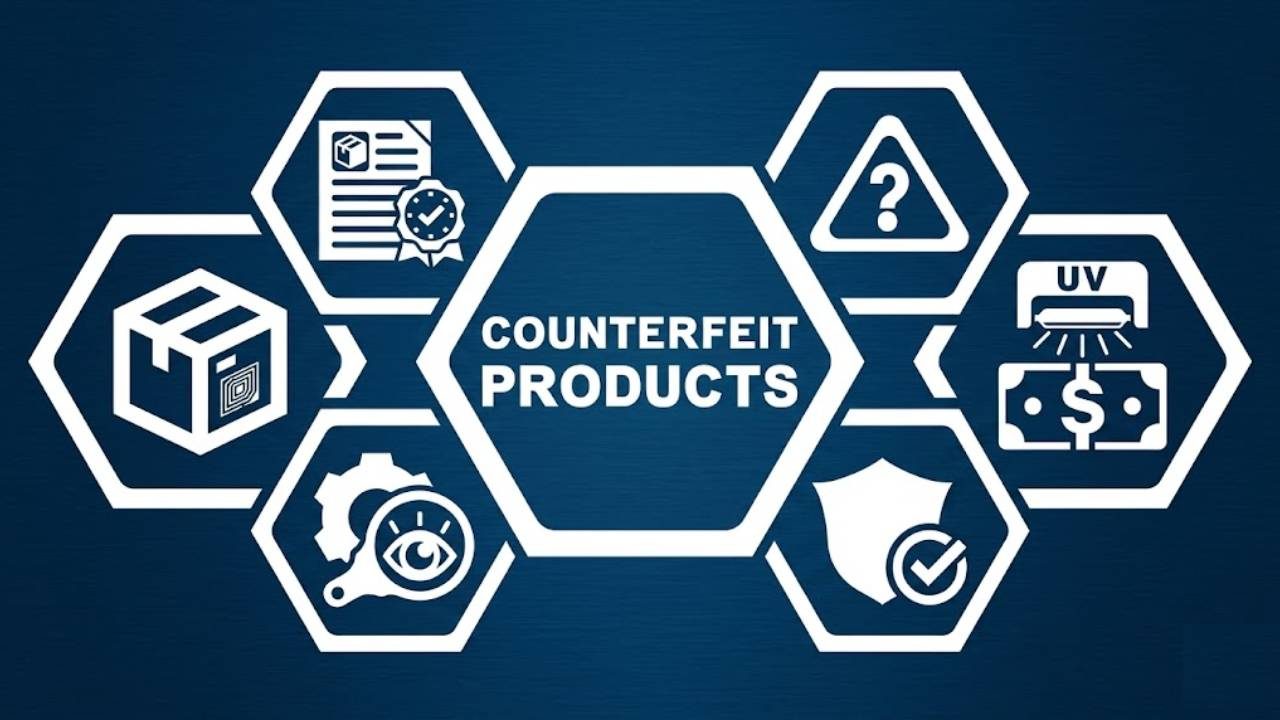
Counterfeit trade has become a major challenge for businesses and consumers across India. From medicines and cosmetics to electronics and luxury goods, fake products continue to enter both physical and online markets in large volumes. The rise of Counterfeit Products India concerns has increased the need for stronger intellectual property protection, legal enforcement, and consumer awareness. Counterfeit goods not only damage brand reputation and business revenue but also create serious health and safety risks for the public.
India’s growing consumer market and expanding digital commerce ecosystem have made counterfeit activities more widespread and difficult to control. Businesses today require a clear understanding of legal remedies, enforcement procedures, and preventive strategies to protect their products and trademarks from misuse.
Understanding Counterfeit Products India
Counterfeit products are fake goods manufactured or sold by copying the branding, packaging, logo, design, or appearance of genuine products without authorisation. These products are intentionally designed to mislead consumers into believing they are purchasing original goods.
Counterfeiting affects businesses of every size. Small enterprises, established manufacturers, multinational corporations, and online sellers all face risks from unauthorised imitation products. In India, counterfeit trade impacts sectors such as pharmaceuticals, electronics, fashion, automotive parts, cosmetics, food products, and consumer goods.
Counterfeit products often enter the market through unauthorised retailers, online marketplaces, grey market distribution channels, and illegal manufacturing units. Many consumers unknowingly purchase fake goods because counterfeiters closely imitate original branding and packaging.
Why Counterfeit Products Are a Serious Concern
Counterfeit products create financial, legal, and reputational risks for businesses. Companies investing heavily in product quality, research, branding, and customer trust suffer significant losses when fake goods circulate in the market. Consumers are equally affected. Counterfeit medicines, food items, cosmetics, and electrical products may contain unsafe or substandard materials. These products can create health hazards, accidents, and safety concerns.
Counterfeit trade also impacts the broader economy. It affects tax revenue, discourages innovation, disrupts fair market competition, and weakens consumer confidence in genuine brands. Digital marketplaces have further intensified the issue. Online sellers can anonymously distribute counterfeit products across multiple states without maintaining physical retail stores. As a result, enforcement authorities and businesses now face greater challenges in tracing infringers.
Legal Framework Governing Counterfeit Products in India
India has a comprehensive legal framework to combat counterfeit activities and trademark infringement.
1. Trade Marks Act, 1999
The Trade Marks Act, 1999 forms the primary legal foundation for brand protection in India. Registered trademark owners receive exclusive rights to use their marks and can take legal action against unauthorised use. The Act allows businesses to seek injunctions, damages, seizure of counterfeit goods, and account of profits. It also contains criminal provisions against falsification and misuse of trademarks. Information regarding trademark registration and enforcement procedures is available through the Office of the Controller General of Patents, Designs and Trade Marks and Intellectual Property India.
2. Copyright Act, 1957
Counterfeit products frequently involve copied artistic works such as packaging designs, labels, promotional materials, and product manuals. The Copyright Act protects original artistic works and enables rights holders to initiate legal proceedings against infringers.
3. Bharatiya Nyaya Sanhita and Criminal Liability
Counterfeit trade may attract criminal liability where fraudulent activities, cheating, or misrepresentation are involved. Police authorities have the power to conduct raids, seize counterfeit products, and initiate criminal proceedings against offenders.
4. Consumer Protection Act, 2019
The Consumer Protection Act helps safeguard consumer interests against misleading products and unfair trade practices. Consumers may file complaints if counterfeit products cause loss, injury, or damage.
5. Customs Enforcement Rules
Businesses can record registered trademarks with Indian Customs authorities under intellectual property enforcement mechanisms. Customs officers may detain suspicious imported consignments suspected of infringing intellectual property rights.
Legal Risks Faced by Counterfeiters in India
Counterfeiters in India face both civil and criminal consequences. Civil liability may include injunctions restraining further sale or manufacture of counterfeit products, monetary damages, delivery up of infringing goods, and destruction of counterfeit stock. Criminal liability may involve fines, imprisonment, seizure of goods, and prosecution before criminal courts. Repeat offenders often face stricter scrutiny from enforcement authorities. Courts in India have increasingly recognised the commercial harm caused by counterfeit trade and have granted strong interim relief in suitable cases.
Civil Remedies Against Counterfeit Products
Civil litigation remains one of the most effective legal tools for businesses facing counterfeit activities. Trademark owners may approach courts seeking temporary or permanent injunctions to stop infringing activities. Courts may also appoint local commissioners to inspect premises, collect evidence, and seize counterfeit products.
Anton Piller orders are particularly useful in preserving evidence during counterfeit investigations. John Doe orders may also be granted against unidentified infringers where counterfeit operations involve unknown parties. Businesses frequently engage leading anti counterfeiting law firms to coordinate enforcement actions involving multiple jurisdictions and large scale counterfeit networks.
Criminal Enforcement Against Counterfeiters
Criminal enforcement plays an important role in disrupting counterfeit operations. Rights holders may file complaints before police authorities against manufacturers, distributors, wholesalers, retailers, and online sellers involved in counterfeit trade. Police raids help identify illegal manufacturing facilities and distribution channels. Seizure of counterfeit goods also prevents further circulation in the market. Criminal proceedings often create a deterrent effect against repeat offenders and organised counterfeit networks.
Online Counterfeit Products and Digital Enforcement
The growth of e commerce has significantly increased online counterfeit activities. Fake products are now commonly sold through online marketplaces, independent websites, and social media platforms. Businesses must actively monitor digital platforms for infringing listings and misleading advertisements. Immediate enforcement measures reduce consumer confusion and minimise brand damage.
Online enforcement strategies may include intermediary notices, takedown requests, evidence preservation, and legal action against repeat infringers. Businesses working with experienced intellectual property professionals can implement faster and more effective digital enforcement systems.
Industries Most Affected by Counterfeit Products India
Certain industries face particularly high counterfeit risks in India due to strong consumer demand and market visibility. Pharmaceutical companies frequently encounter fake medicines and packaging replication. Counterfeit medicines may pose severe health risks to consumers.
Fashion and luxury brands are also heavily targeted. Fake clothing, accessories, footwear, and handbags are commonly sold through informal retail channels and online marketplaces. Electronics companies deal with counterfeit chargers, batteries, cables, and spare parts. Automotive industries face risks involving fake vehicle components and lubricants. Food products, cosmetics, FMCG goods, and consumer appliances are equally vulnerable to imitation products.
Importance of Trademark Registration for Brand Protection
Trademark registration is one of the most important preventive measures against counterfeit trade. Registered trademarks provide statutory rights and strengthen legal enforcement proceedings. Businesses should register brand names, logos, packaging elements, slogans, and product identifiers across relevant classes. Timely renewal and monitoring of trademarks are equally important. Unregistered trademarks may still receive protection through passing off actions, but registered rights offer stronger legal remedies and procedural advantages. Many companies consult best intellectual property law firms to develop comprehensive trademark portfolios and long term enforcement strategies.
Preventive Measures Businesses Should Adopt
Businesses should adopt proactive measures to reduce counterfeit risks rather than relying solely on litigation after infringement occurs. Important preventive measures include regular market monitoring, distributor audits, customs recordation, online marketplace surveillance, and consumer awareness programmes. Advanced packaging authentication technologies such as QR codes, holograms, serial tracking systems, and tamper resistant labels also help consumers identify genuine products. Employee training and strong supply chain controls further reduce the risk of counterfeit infiltration.
Role of Investigations in Counterfeit Cases
Investigations are essential for successful anti counterfeiting enforcement. Legal teams and investigators often work together to identify counterfeit manufacturers, distributors, warehouses, and retailers.
Evidence collected during investigations may include purchase samples, photographs, invoices, digital records, and surveillance reports. Strong evidence improves the chances of obtaining court relief and successful criminal enforcement. Investigative intelligence also helps businesses understand how counterfeit goods move through supply chains and online platforms.
How the Law Protects Consumers and Businesses
Indian laws aim to balance both commercial and consumer interests. Businesses receive legal remedies to protect their trademarks and commercial reputation, while consumers benefit from protections against unsafe and misleading products.
Courts, customs authorities, police agencies, and online intermediaries all play important roles in anti counterfeiting enforcement. Effective cooperation between these stakeholders strengthens the overall intellectual property enforcement ecosystem in India. Businesses investing in proactive legal protection are better positioned to maintain consumer trust and preserve long term market value.
Conclusion
Counterfeit trade continues to create significant challenges for businesses and consumers across India. As counterfeit networks expand through online commerce and complex distribution systems, companies must adopt stronger legal and preventive strategies.
An effective Counterfeit Products India protection framework involves trademark registration, investigations, market surveillance, online enforcement, customs intervention, and timely legal action. Businesses taking proactive steps to protect intellectual property rights can reduce financial losses, strengthen consumer confidence, and maintain brand integrity in competitive markets. Strong legal enforcement combined with preventive brand protection measures remains essential for combating counterfeit trade in India’s evolving commercial landscape.
Frequently Asked Question (FAQs)
What are counterfeit products in India?
Counterfeit products are fake goods sold by copying the trademarks, packaging, logos, or appearance of genuine products without authorisation.
Which law deals with counterfeit products in India?
Counterfeit products are mainly governed by the Trade Marks Act, 1999, along with copyright laws, criminal laws, customs regulations, and consumer protection laws.
Is selling counterfeit products illegal in India?
Yes. Selling counterfeit goods is illegal and may result in civil liability, criminal prosecution, fines, imprisonment, and seizure of products.
How can businesses stop counterfeit products online?
Businesses can monitor online marketplaces, issue takedown notices, preserve digital evidence, and initiate legal action against infringing sellers.
Why is trademark registration important against counterfeit trade?
Trademark registration provides stronger legal protection and enables businesses to enforce exclusive rights against counterfeiters.