Counterfeit trade has become a growing concern for businesses and consumers across the world. From luxury products and electronics to medicines and cosmetics, fake products now circulate through physical stores, online marketplaces, and social media platforms. The ability to Identify Counterfeit Goods has become essential for protecting consumer safety, preserving brand reputation, and preventing financial loss. Businesses investing in intellectual property protection and consumers making informed purchasing decisions both play an important role in reducing the circulation of counterfeit products.
India has witnessed a significant increase in counterfeit activities due to expanding digital commerce, global supply chains, and rising consumer demand for branded products. Counterfeit goods often appear convincing, making detection difficult without careful inspection. Understanding the warning signs and legal implications of counterfeit trade can help businesses and consumers take timely preventive action.
Understanding Counterfeit Goods
Counterfeit goods are fake products manufactured or sold by illegally copying the branding, packaging, logo, design, or appearance of genuine products. These goods are intentionally designed to mislead consumers into believing they are purchasing authentic products from a recognised brand.
Counterfeit products affect a wide range of industries including pharmaceuticals, electronics, automotive parts, fashion, cosmetics, food products, and consumer goods. Some counterfeit products may simply offer poor quality, while others can create serious health and safety risks.
Counterfeit trade also harms businesses by reducing revenue, damaging brand reputation, weakening consumer trust, and disrupting authorised distribution networks.
Why Businesses and Consumers Must Identify Counterfeit Goods
The consequences of counterfeit trade extend beyond financial loss. Consumers may unknowingly purchase unsafe or defective products. Counterfeit medicines, electrical products, automotive parts, and cosmetics can pose serious risks to health and safety.
For businesses, counterfeit activities dilute brand value and create long term reputational harm. Genuine manufacturers spend years building consumer confidence, investing in research, and maintaining product quality. Counterfeiters exploit this goodwill without complying with safety standards or quality controls.
Online marketplaces have made the situation more complex. Fake products are now sold through digital platforms, social media advertisements, and unauthorised websites, often making detection more difficult for consumers.
Common Signs of Counterfeit Goods
Poor Packaging Quality
Packaging is often one of the easiest ways to detect counterfeit products. Genuine brands maintain high quality packaging standards, while counterfeit products may display spelling mistakes, blurred printing, inconsistent fonts, or incorrect logos.
Consumers should compare packaging carefully with official brand images whenever possible.
Unusually Low Prices
Products offered at prices significantly below market value should raise suspicion. Counterfeit sellers often attract buyers through unrealistic discounts and limited time offers.
While discounts are common during promotional periods, excessively low prices may indicate fake or unauthorised goods.
Missing Product Information
Authentic products generally contain detailed information including manufacturing details, serial numbers, batch codes, warranty information, and customer support details.
Counterfeit products may lack these identifiers or display incomplete information.
Poor Product Quality
Inferior materials, weak stitching, loose components, poor finishing, or unusual smells may indicate counterfeit manufacturing. Consumers should inspect products carefully before purchasing.
In electronics and automotive parts, counterfeit products may fail to meet safety standards and can create operational hazards.
Unauthorised Sellers
Products purchased from unofficial websites, unknown social media sellers, roadside vendors, or unauthorised distributors carry higher counterfeit risks.
Consumers should verify whether sellers are authorised retailers or official distributors before making purchases.
How Businesses Can Identify Counterfeit Products in the Market
Businesses require continuous monitoring to detect counterfeit activities early. Market surveillance plays a crucial role in identifying fake products before they significantly damage brand reputation. Companies often monitor retail outlets, wholesale markets, e commerce platforms, and social media channels for suspicious listings and unauthorised sales activity. Customer complaints also provide valuable information. Sudden increases in negative reviews or product quality concerns may indicate the circulation of counterfeit goods. Businesses frequently work with investigators and experienced anti counterfeit attorneys to conduct market investigations, evidence collection, and enforcement actions against counterfeit networks.
Role of Trademark Protection in Counterfeit Detection
Trademark registration is one of the strongest legal tools available for brand protection. Registered trademarks help businesses establish ownership rights and take legal action against counterfeiters. Businesses should register not only brand names but also logos, packaging elements, slogans, and product identifiers wherever applicable. The Trade Marks Registry under Intellectual Property India provides trademark registration, renewal, opposition, and enforcement procedures for rights holders. Trademark monitoring services also help businesses identify unauthorised trademark applications and suspicious market activity.
Importance of Technology in Detecting Counterfeit Goods
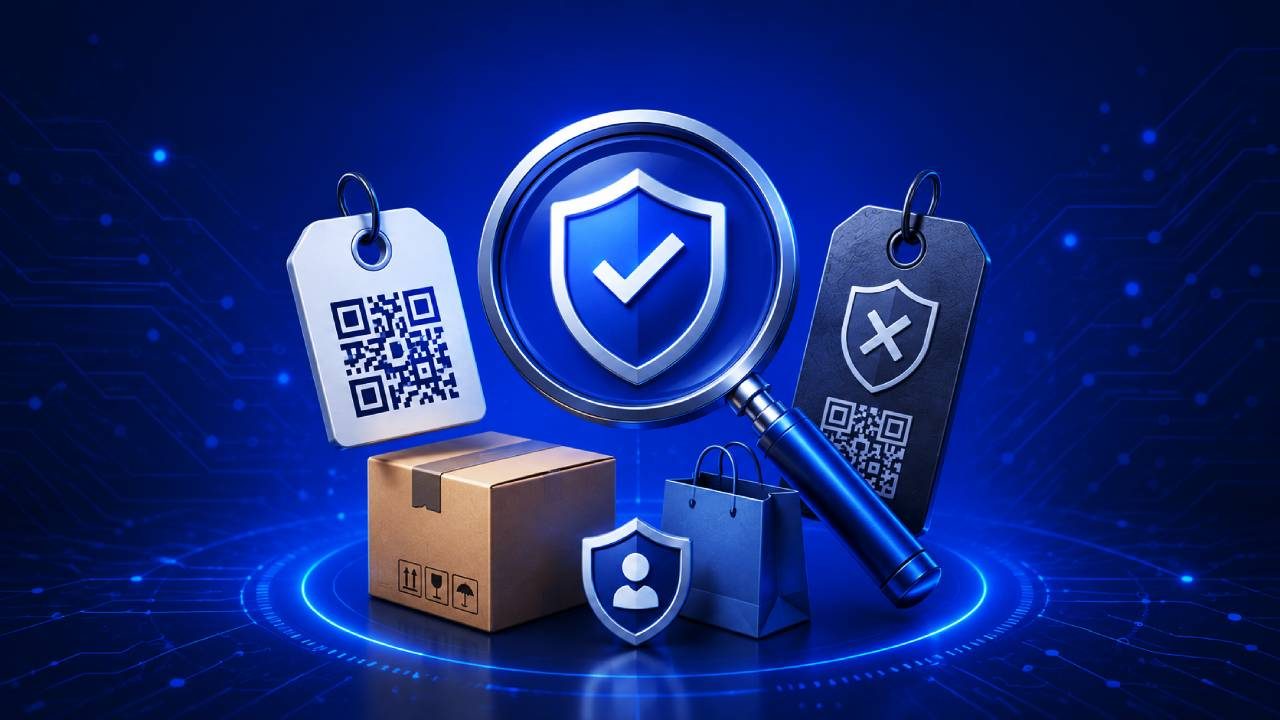
Technology has become an important part of modern anti counterfeiting strategies. Businesses increasingly use authentication systems to help consumers verify product authenticity. Common authentication tools include QR codes, holograms, serial numbers, RFID tags, tamper proof packaging, and digital verification systems.
Consumers can often scan product codes through official applications or websites to confirm whether products are genuine. Advanced tracking technologies also help businesses monitor supply chains and identify unauthorised distribution channels.
Legal Framework Against Counterfeit Goods in India
India has a strong legal framework for combating counterfeit trade and trademark infringement.
Trade Marks Act, 1999
The Trade Marks Act provides protection against unauthorised use of registered trademarks. Trademark owners may seek injunctions, damages, seizure of counterfeit goods, and criminal remedies against infringers.
Copyright Act, 1957
Counterfeit products frequently involve copied labels, packaging artwork, promotional material, and product designs. Copyright law protects original artistic works and allows rights holders to pursue legal action.
Bharatiya Nyaya Sanhita and Criminal Enforcement
Counterfeit trade involving fraud or misrepresentation may attract criminal liability. Police authorities can conduct raids, seize counterfeit products, and prosecute offenders.
Customs Enforcement
Businesses can record trademarks with Indian Customs authorities to prevent counterfeit imports from entering the Indian market.
Information regarding intellectual property protection and customs enforcement is available through the Office of the Controller General of Patents, Designs and Trade Marks and Intellectual Property India.
How Consumers Can Protect Themselves from Counterfeit Products
Consumers should purchase products only from trusted sellers and authorised retailers. Reviewing seller ratings, checking official brand websites, and verifying warranty information can reduce counterfeit risks. Consumers should also inspect product packaging carefully and avoid deals appearing unrealistically cheap. When purchasing products online, buyers should review customer feedback, return policies, and seller verification details before placing orders. Suspicious products should be reported to the brand owner or relevant authorities wherever possible.
Online Counterfeit Goods and E Commerce Risks
E commerce platforms have transformed retail purchasing behaviour, but they have also increased counterfeit risks. Fake sellers often use copied product images, misleading descriptions, and sponsored advertisements to attract consumers. Businesses must regularly monitor online platforms for counterfeit listings and unauthorised sellers. Quick takedown requests and enforcement measures help minimise consumer confusion and brand damage. Many companies work with top intellectual property law firms to create digital brand protection programmes covering online marketplaces, domain names, and social media enforcement.
Role of Investigations in Counterfeit Cases
Successful anti counterfeiting action depends heavily on investigations and evidence collection. Businesses often conduct market surveys, test purchases, and surveillance operations to identify counterfeit supply chains. Investigators may trace counterfeit operations back to warehouses, distributors, manufacturers, or online sellers. Strong evidence improves the effectiveness of civil and criminal enforcement proceedings. Detailed investigations also help businesses understand how counterfeit products enter legitimate supply chains and consumer markets.
Industries Most Vulnerable to Counterfeit Trade
Certain industries face greater counterfeit exposure due to strong consumer demand and brand visibility. Pharmaceutical companies often encounter fake medicines and replicated packaging. Electronics manufacturers deal with counterfeit chargers, batteries, and accessories. Fashion and luxury brands face imitation clothing, footwear, and handbags sold through informal retail channels. Automotive parts, cosmetics, FMCG products, and food items are also frequently targeted by counterfeit networks. Businesses operating in these industries require stronger monitoring and enforcement mechanisms to protect their brands and consumers.
Why Early Action Matters
Delaying action against counterfeit trade often results in larger commercial losses and reputational harm. Early identification allows businesses to remove fake products from the market before consumer trust is significantly affected. Prompt legal action also helps preserve evidence and disrupt counterfeit distribution networks more effectively. Consumers who identify suspicious products early can avoid financial loss and potential safety risks.
Conclusion
Counterfeit trade continues to create significant challenges for businesses and consumers across India. As counterfeiters adopt increasingly sophisticated methods, the ability to Identify Counterfeit Goods has become more important than ever.
Businesses must combine trademark protection, market monitoring, investigations, online enforcement, and consumer awareness programmes to reduce counterfeit risks. Consumers should remain cautious while purchasing products, especially through online platforms and unauthorised sellers.
A proactive approach to counterfeit detection helps protect intellectual property rights, preserve brand reputation, and ensure consumer safety in an increasingly competitive marketplace.
Frequently Asked Question (FAQs)
Q1. What are counterfeit goods?
Counterfeit goods are fake products created by copying the branding, packaging, logo, or appearance of genuine products without authorisation.
Q2. How can consumers identify counterfeit goods?
Consumers can identify counterfeit goods by checking packaging quality, pricing, seller authenticity, product information, and overall product quality.
Q3. Why are counterfeit products dangerous?
Counterfeit products may contain unsafe materials, poor quality components, or defective manufacturing standards which can create health and safety risks.
Q4. Why are counterfeit products dangerous?
Counterfeit products may contain unsafe materials, poor quality components, or defective manufacturing standards which can create health and safety risks.
Q5. Is selling counterfeit products illegal in India?
Yes. Selling counterfeit products is illegal and may result in civil liability, criminal prosecution, fines, imprisonment, and seizure of goods.