Counterfeit goods continue to pose a serious challenge for businesses across India. From pharmaceuticals and automotive components to luxury goods, consumer products and electronics, fake products damage brand reputation, reduce revenue and expose consumers to significant safety risks. Counterfeit Investigations play a vital role in identifying counterfeit networks, gathering reliable evidence and supporting legal action against infringers. A well planned investigation often provides the foundation for successful civil, criminal and customs enforcement proceedings. Private investigations have become an essential part of anti counterfeiting strategies because counterfeit operations are increasingly sophisticated. They often involve multiple suppliers, distributors, warehouses and online sellers operating across different states. Professional investigators help businesses uncover these networks while ensuring evidence is collected lawfully and can withstand judicial scrutiny.
Why Counterfeiting Continues to Rise in India
India has experienced rapid growth in manufacturing, retail and ecommerce. While these developments have expanded legitimate business opportunities, they have also created new channels for counterfeit products to enter the market. Online marketplaces, social media platforms and informal distribution networks have made it easier for counterfeiters to reach consumers. Counterfeiters frequently imitate registered trade marks, packaging, labels and product designs. In many cases, fake goods closely resemble genuine products, making detection difficult for customers and retailers alike. High demand, attractive profit margins and organised supply chains encourage repeat offences. Businesses operating in sectors such as pharmaceuticals, cosmetics, consumer electronics, automotive parts, apparel, food products and industrial equipment remain particularly vulnerable because counterfeit products in these industries can cause financial losses as well as serious public safety concerns.
Counterfeit Investigations and Their Importance
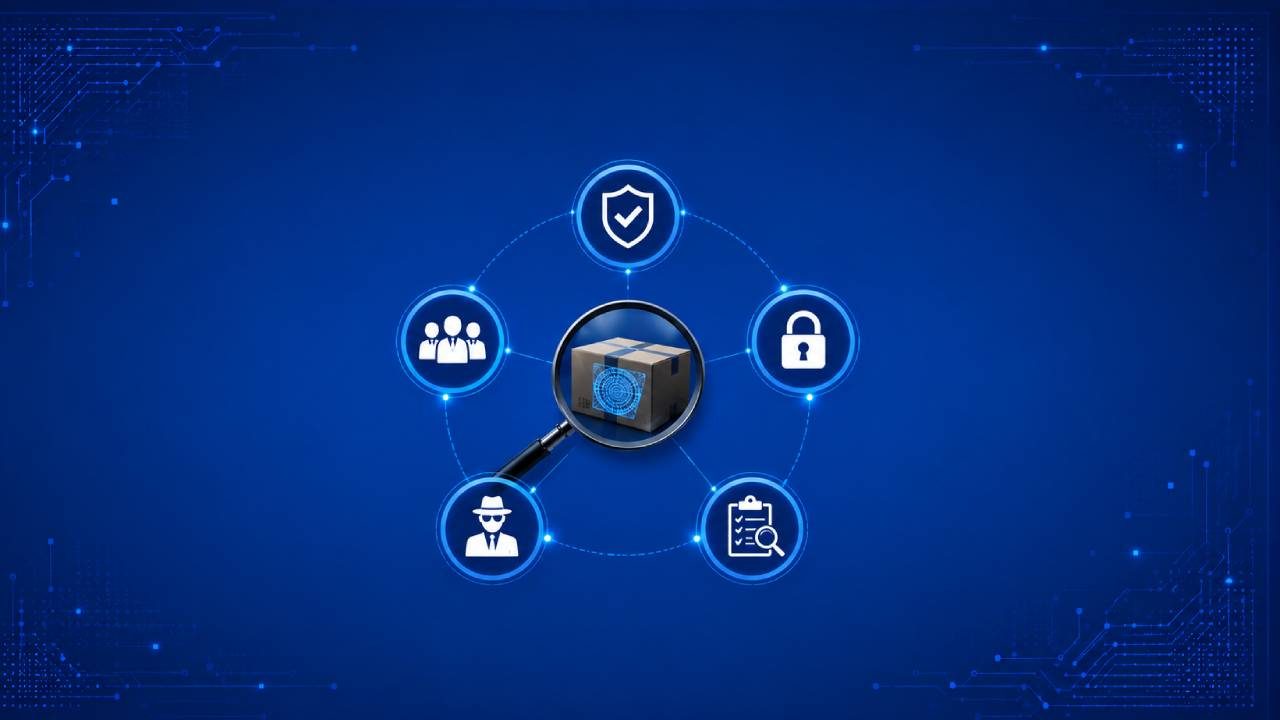
Counterfeit Investigations involve systematic enquiries designed to identify counterfeit manufacturing units, storage facilities, distributors, retailers and online sellers. The objective extends beyond locating fake goods. Investigations also establish the scale of infringement, identify key individuals involved and collect evidence required for enforcement. An effective investigation generally includes market intelligence, surveillance, background verification, sample purchases, supply chain mapping and documentation of commercial activities. The information gathered assists businesses in making informed decisions before initiating legal proceedings. Investigations also help determine whether infringement is isolated or forms part of a larger organised network operating across several jurisdictions.
The Legal Framework Supporting Anti Counterfeiting in India
India offers several legal remedies for intellectual property owners facing counterfeiting. Trade mark owners primarily rely upon the Trade Marks Act, 1999, while copyright owners receive protection under the Copyright Act, 1957. Certain cases may also involve provisions under the Bharatiya Nyaya Sanhita, consumer protection laws and customs regulations where counterfeit goods cross international borders. Businesses may initiate civil proceedings seeking injunctions, damages and seizure of counterfeit goods. Criminal complaints can result in police raids, arrests and prosecution where offences meet statutory requirements.
How Private Investigators Collect Critical Evidence
Private investigators support brand protection efforts by gathering reliable information before legal action begins. Their work often determines whether enforcement authorities possess sufficient evidence to proceed confidently. Investigators usually begin by monitoring markets where counterfeit activity appears common. They conduct discreet visits to retail outlets, wholesalers and distributors to identify suspicious products. Test purchases are frequently undertaken to obtain physical samples for examination. Once counterfeit goods have been identified, investigators attempt to trace their source through invoices, transportation records, supplier information and distribution channels. Surveillance may also reveal warehouses, manufacturing units or intermediary traders involved in larger operations. Proper documentation forms an essential part of every investigation. Photographs, purchase records, witness statements and product comparisons strengthen the evidential record. Accurate documentation helps legal teams establish infringement before courts or law enforcement agencies.
Market Intelligence Strengthens Enforcement
Counterfeit investigations extend beyond identifying fake products. Market intelligence helps businesses understand how counterfeit goods move through supply chains and which regions experience higher levels of infringement. Investigators analyse pricing patterns, retailer behaviour and consumer complaints to identify emerging risks. They monitor online platforms where counterfeit products may appear under misleading descriptions or unauthorised seller accounts. This intelligence enables businesses to prioritise enforcement resources efficiently. Instead of reacting to isolated incidents, companies can target major suppliers responsible for widespread distribution. Long term monitoring also helps identify repeat offenders who continue infringing despite previous enforcement actions.
Supporting Civil Litigation
Private investigation reports frequently become valuable evidence during civil proceedings. Before granting injunctions or appointing Local Commissioners for search and seizure operations, courts often require convincing material demonstrating ongoing infringement. Investigation reports provide detailed information regarding counterfeit products, locations, trading practices and individuals involved. These findings assist legal teams in preparing pleadings supported by factual evidence. Accurate investigations may also help courts assess urgency where immediate relief becomes necessary to prevent continued circulation of counterfeit goods.
Assisting Criminal Enforcement
Criminal enforcement often requires close coordination between investigators, legal professionals and law enforcement agencies. Private investigators help identify manufacturing facilities, storage locations and transport routes before police action begins. Their intelligence reduces uncertainty during enforcement operations and improves the likelihood of successful seizures. During raids, investigators may assist legal representatives by identifying genuine and counterfeit products, explaining product differences and supporting inventory documentation. Their earlier investigative work frequently proves valuable during subsequent prosecution.
Supporting Customs and Border Protection
Counterfeit goods increasingly enter India through international trade routes. Customs enforcement therefore plays an important role in protecting intellectual property rights. Businesses can record eligible intellectual property with Indian Customs under applicable regulations. Once rights are recorded, customs authorities may suspend clearance of suspected counterfeit consignments. Private investigators contribute by identifying importers, exporters and supply chains involved in cross border trade. Their findings assist businesses in providing actionable intelligence to customs authorities where necessary. Businesses can also refer to guidance published by the Central Board of Indirect Taxes and Customs</a> regarding border enforcement procedures.
Digital Investigations Have Become Increasingly Important
Counterfeit activity has expanded significantly across ecommerce platforms, independent websites and social media marketplaces. Digital investigations now form an important component of comprehensive anti counterfeiting programmes. Investigators monitor online listings, collect screenshots, preserve digital evidence and identify seller accounts connected with counterfeit products. They may also analyse payment methods, customer reviews and contact information to identify larger networks operating behind multiple online identities. Digital evidence often complements physical investigations by revealing connections between online sellers and offline distributors.
Working Alongside Legal Professionals
Private investigators provide factual evidence, while legal professionals determine appropriate enforcement strategies based on applicable laws and judicial procedures. Many businesses engage leading anti counterfeiting law firms to evaluate investigation findings, prepare legal notices, initiate court proceedings and coordinate enforcement with police or customs authorities. This collaborative approach ensures investigations translate into practical legal outcomes while maintaining compliance with procedural requirements. Close communication between investigators and legal advisers also reduces evidential gaps which may otherwise weaken enforcement efforts.
Preventive Investigations Help Protect Brands
Private investigations should not be viewed solely as reactive measures after infringement occurs. Many businesses conduct routine market monitoring to detect counterfeit activity before it expands significantly. Regular investigations allow companies to identify emerging risks, assess vulnerable distribution channels and improve internal compliance measures. Early detection often reduces financial losses and protects consumer confidence. Preventive investigations also generate valuable market intelligence which supports future enforcement planning. Businesses seeking long term intellectual property protection often consult an experienced IP attorney in India to develop comprehensive enforcement strategies combining investigation, litigation, customs protection and ongoing market monitoring.
Best Practices for Effective Counterfeit Investigations
Successful investigations depend upon careful planning, lawful evidence collection and close coordination among investigators, legal advisers and brand owners. Businesses should maintain updated records of registered intellectual property, genuine product specifications and authorised distribution networks. Investigators should receive sufficient product knowledge to distinguish authentic goods from sophisticated counterfeits. Evidence should always be documented carefully with complete records of purchases, photographs, invoices and witness information wherever available. Proper chain of custody strengthens evidential reliability during legal proceedings. Regular reviews of investigation findings also help businesses refine enforcement priorities as counterfeit methods continue evolving.
Conclusion
Counterfeiting presents complex legal and commercial challenges across India. Modern counterfeit operations often involve sophisticated supply chains, multiple intermediaries and digital sales channels which require specialised investigation before effective enforcement becomes possible. Counterfeit Investigations provide businesses with reliable intelligence, legally relevant evidence and strategic insight needed to pursue civil litigation, criminal prosecution and customs enforcement. When combined with proactive brand protection measures and experienced legal guidance, private investigations significantly improve the effectiveness of anti counterfeiting efforts while helping protect intellectual property rights, consumer safety and long term business value.
Frequently Asked Questions (FAQs)
What are Counterfeit Investigations?
Counterfeit Investigations involve identifying counterfeit goods, tracing their source, gathering evidence and supporting legal action against manufacturers, distributors and sellers involved in intellectual property infringement.
Why are private investigations important in anti counterfeiting cases?
Private investigators collect reliable evidence, identify counterfeit supply chains and provide intelligence which supports civil litigation, criminal enforcement and customs action.
Can private investigators conduct test purchases?
Yes. Test purchases are a common investigative method used to obtain suspected counterfeit products for examination and evidence collection.
Which industries benefit most from Counterfeit Investigations?
Pharmaceuticals, automotive parts, cosmetics, electronics, luxury goods, apparel, food products, industrial equipment and consumer goods frequently benefit from professional counterfeit investigations.
Are Counterfeit Investigations admissible in Indian courts?
Investigation reports themselves may support legal proceedings when evidence has been collected lawfully. Courts assess the relevance, authenticity and credibility of the material presented.