The Fair Use Doctrine plays a crucial role in balancing the rights of copyright owners with the public interest in access to knowledge, creativity, and expression. In India, copyright law recognises specific exceptions that permit limited use of protected works without prior permission. Understanding how fair use and copyright exceptions operate is essential for authors, educators, journalists, businesses, and digital creators who rely on copyrighted material in their professional and creative activities. This blog examines the legal foundations of the Fair Use Doctrine in India, its statutory framework, judicial interpretation, and practical application across various contexts.
Understanding the Fair Use Doctrine in Copyright Law
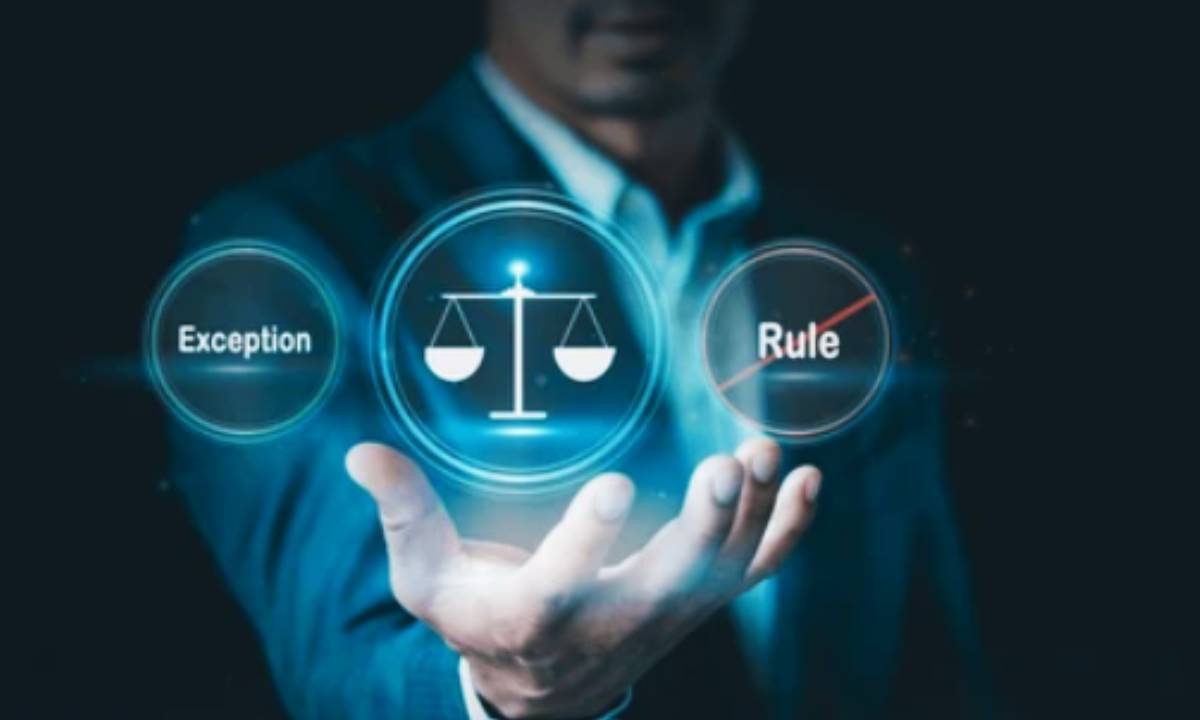
The Fair Use Doctrine refers to legal principles that allow certain uses of copyrighted works without constituting infringement. While the doctrine originated in common law jurisdictions such as the United States, India follows a statutory model known as “fair dealing”. Under Indian law, fair dealing permits limited use of copyrighted material for specific purposes defined under the Copyright Act, 1957. These exceptions exist to ensure that copyright protection does not stifle education, criticism, research, reporting, or freedom of expression. The doctrine recognises that copyright is not absolute and must coexist with public interest, constitutional freedoms, and social needs.
Statutory Basis of Fair Use in India
India does not apply an open-ended fair use test. Instead, copyright exceptions are codified under Section 52 of the Copyright Act, 1957. This provision lists acts that do not amount to infringement when carried out within prescribed limits. The text of Section 52 is available on the official Legislative Department of India website, which serves as an authoritative reference for copyright law interpretation. Indian courts interpret these exceptions strictly but purposively, ensuring that the statutory intent of protecting creativity and public access remains intact.
Key Copyright Exceptions Recognised Under Indian Law
Under Indian copyright law, certain limited uses of protected works are permitted without the copyright owner’s consent. These exceptions balance the rights of creators with public interest by allowing uses such as private study, research, criticism, review, reporting of current events and limited educational use. The scope of these exceptions is interpreted strictly by courts to prevent misuse or commercial exploitation.
1. Fair Dealing for Private or Personal Use
The law allows fair dealing of copyrighted works for private or personal use, including research. This provision supports academic inquiry and individual learning, provided the use does not compete commercially with the original work or cause unreasonable harm to the copyright owner. Courts assess the purpose, extent, and effect of use rather than adopting rigid quantitative limits.
2. Criticism, Review, and Reporting of Current Events
Use of copyrighted material for criticism or review of a work is permitted. This includes quotations or extracts used to analyse, comment upon, or evaluate the original work. Similarly, reporting of current events allows limited reproduction of works, particularly in news reporting and journalism. Indian courts have repeatedly upheld the importance of free press and public discourse under this exception.
3. Educational and Instructional Use
Educational institutions enjoy broader latitude under copyright exceptions. Use of copyrighted content for teaching, examination, or classroom instruction is protected, as long as it remains non-commercial and proportionate. This exception has gained increased relevance with digital learning platforms and online education models.
4. Judicial and Legislative Proceedings
Copyrighted works may be used in judicial proceedings, legislative debates, or official reports. This exception ensures transparency and accessibility in governance and legal processes.
Fair Use Doctrine vs Fair Dealing: Conceptual Difference
A key distinction exists between fair use and fair dealing. Fair use, as applied in jurisdictions like the United States, relies on broad judicial discretion guided by factors such as purpose, nature, and market impact. India’s fair dealing regime is narrower and purpose-specific. Courts do not apply a general balancing test but examine whether the use falls within statutory categories under Section 52. Despite this difference, Indian courts increasingly adopt purposive interpretation, borrowing comparative reasoning from global jurisprudence where appropriate.
Judicial Interpretation of Fair Use Doctrine in India
Indian courts have played a significant role in shaping the application of copyright exceptions. Decisions from the Supreme Court and High Courts have clarified that fair dealing must be assessed contextually. Courts consider factors such as the nature of the copyrighted work, the purpose of use, the amount used, and the economic impact on the rights holder. Importantly, the emphasis remains on whether the use serves a legitimate public interest. This judicial approach ensures flexibility while preserving statutory certainty.
Digital Environment and Fair Use Challenges
The rise of digital platforms has intensified debates around fair use. Online content sharing, social media, streaming, and user-generated content frequently involve copyrighted material. Indian copyright law has adapted through amendments and judicial guidance, but challenges persist. Questions often arise regarding memes, short video clips, online reviews, and educational uploads. Courts increasingly recognise that digital use must be assessed with technological realities in mind, without diluting copyright protection.
Commercial Use and Limitations of Fair Use
Fair dealing does not extend to uses that are primarily commercial or exploitative. Businesses cannot rely on copyright exceptions to justify large-scale reproduction, advertising use, or competitive substitution. Courts draw a clear distinction between incidental benefit and commercial exploitation. Where use substitutes the original work or affects its market, fair dealing protection may not apply. At this stage, businesses often consult the best copyright law firm and lawyers in India to assess risk exposure and compliance strategies.
International Perspective and Comparative Standards
India’s fair dealing framework differs from international fair use standards, particularly those under US copyright law. However, Indian courts occasionally refer to comparative jurisprudence for interpretative guidance. For cross-border publishing, licensing, or content distribution, understanding these differences is essential. In such cases, International copyright filing and registration strategies often intersect with fair use assessments across jurisdictions.
Role of Legal Advice in Fair Use Assessment
Determining whether a particular use qualifies as fair dealing is not always straightforward. Context, intent, extent, and market impact must be evaluated carefully. Professional guidance from an experienced IP Law firm and lawyers helps individuals and organisations navigate grey areas, avoid infringement, and structure lawful use policies. Legal advice is particularly valuable for publishers, digital platforms, educational institutions, and media organisations.
Best Practices for Relying on Fair Use Doctrine
When relying on fair dealing exceptions, users should ensure that usage remains limited, purpose-specific, and non-substitutive. Proper attribution, proportional use, and avoidance of commercial exploitation strengthen fair dealing claims. Maintaining internal copyright policies and conducting periodic legal reviews further reduces risk.
Conclusion
The Fair Use Doctrine, as applied through India’s fair dealing framework, plays a vital role in balancing copyright protection with freedom of expression and public interest. While statutory in nature, its interpretation continues to evolve through judicial reasoning and technological change. Understanding copyright exceptions empowers creators, educators, businesses, and users to engage responsibly with protected works. When applied carefully and lawfully, fair dealing supports creativity, knowledge sharing, and democratic discourse without undermining the rights of copyright owners.
Frequently Asked Questions (FAQs)
1. What is the Fair Use Doctrine in India?
In India, fair use operates through statutory fair dealing provisions under Section 52 of the Copyright Act. It allows limited use of copyrighted works for specific purposes such as research, criticism, education, and reporting.
2. Is fair use applicable to commercial content in India?
Generally, fair dealing does not protect commercial exploitation. Courts examine whether the use competes with or substitutes the original work.
3. Can copyrighted material be used in education without permission?
Yes, educational use is permitted under specific conditions, provided it remains non-commercial and proportionate.
4. Does India follow the US fair use test?
No. India follows a statutory fair dealing model rather than an open-ended fair use test. However, courts may refer to comparative principles for interpretation.
5. Does fair use apply to digital and online content?
Yes, but digital use is assessed carefully. Courts consider context, platform, audience reach, and market impact when evaluating fair dealing claims online.