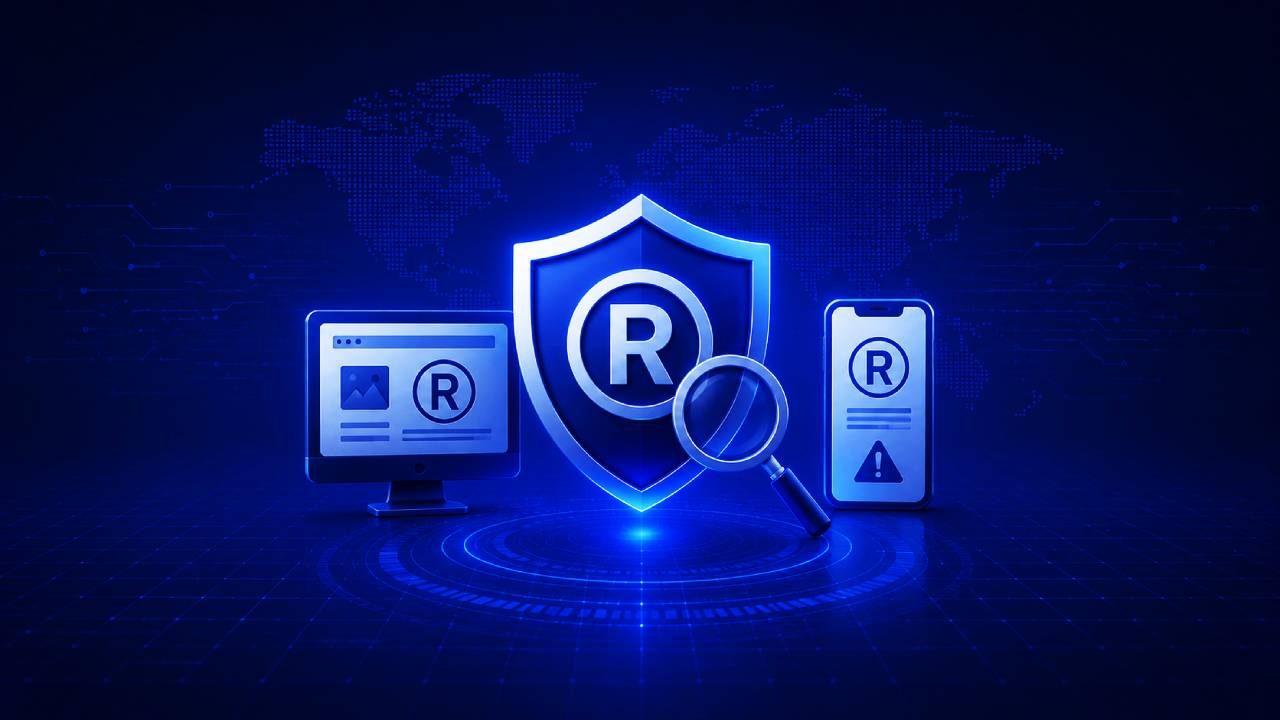
The digital economy has transformed the way businesses connect with customers, promote products, and build brand recognition. While online platforms have created new opportunities for growth, they have also increased the risk of brand infringement. Trademark Misuse Online has become a growing concern for businesses of every size as counterfeit sellers, fake websites, impersonation accounts, and unauthorised advertisers attempt to exploit established brands. Simply registering a trademark is no longer enough. Businesses must actively monitor digital channels and detect misuse before it damages customer trust, brand reputation, and commercial value.
An effective online trademark monitoring strategy enables businesses to identify infringement early, preserve their intellectual property rights, and reduce financial losses. Proactive monitoring also demonstrates a commitment to protecting consumers from misleading or fraudulent activities.
Trademark Misuse Online: Why Continuous Monitoring Matters
A registered trademark gives businesses exclusive legal rights over their brand for specified goods or services. However, registration alone does not automatically prevent infringement. Businesses must actively monitor the internet to identify unauthorised use of their trademarks. Trademark Misuse Online can appear in many forms. It may involve counterfeit products sold through ecommerce platforms, websites using confusingly similar domain names, fake social media profiles, misleading advertisements, unauthorised use of logos, or sellers attempting to benefit from an established brand’s reputation. Detecting these issues early helps businesses protect both their legal rights and customer confidence.
Understanding Online Trademark Misuse
Trademark misuse occurs when another person or business uses a registered or well recognised trademark without permission in a manner capable of creating confusion among consumers. Digital platforms have significantly increased opportunities for infringement because products and services can now reach global audiences almost instantly. Misuse may involve copied logos, similar business names, deceptive product listings, keyword advertising, counterfeit goods, imitation packaging, or fraudulent websites designed to mislead customers. Every instance has the potential to weaken brand identity and affect consumer trust.
Why Businesses Must Monitor Their Brand
Customers often assume every online listing carrying a familiar trademark originates from the genuine business. Counterfeit products, misleading advertisements, or fake customer support pages may cause financial losses while damaging the reputation built over many years. Active monitoring allows businesses to identify misuse before it spreads widely across multiple digital platforms. Early intervention also reduces enforcement costs and strengthens legal remedies if disputes arise. Online monitoring has become an essential part of modern intellectual property management.
Monitor Ecommerce Platforms Regularly
Online marketplaces remain one of the most common sources of trademark misuse. Unauthorised sellers frequently list counterfeit products using registered trademarks, copied packaging, or misleading descriptions designed to attract consumers searching for genuine goods. Businesses should regularly review major ecommerce platforms for suspicious listings, unusual pricing, inaccurate product descriptions, or unauthorised use of logos and brand names. Many marketplaces also provide reporting mechanisms allowing trademark owners to request removal of infringing listings after verification of ownership. Regular marketplace reviews significantly reduce consumer confusion.
Watch Social Media Platforms
Social media has become a valuable marketing tool for legitimate businesses as well as a target for impersonation. Fake business profiles, copied logos, misleading promotional campaigns, and fraudulent customer service accounts may confuse consumers while damaging brand credibility. Businesses should monitor major social media platforms for unauthorised accounts using similar names, profile images, or branding. Prompt reporting helps remove impersonation accounts before they attract significant audiences. Maintaining verified official accounts also strengthens customer confidence.
Protect Domain Names
Cybersquatting continues to present significant risks for businesses. Third parties sometimes register domain names closely resembling established trademarks to attract website traffic or mislead customers. Businesses should secure important domain names matching their trademarks wherever practical. Regular domain name searches help identify newly registered addresses capable of creating consumer confusion. Early action often prevents larger disputes and protects online brand identity.
Monitor Search Engine Results
Search engines provide valuable insight into possible trademark misuse. Businesses should periodically search for their trademarks, product names, and brand variations to identify suspicious advertisements, copied content, unauthorised resellers, or misleading websites. Monitoring search results also helps detect businesses attempting to benefit from established brand recognition through deceptive marketing practices. Routine searches require relatively little effort while providing significant protection.
Track Trademark Applications
Digital infringement is not the only concern. Competitors may also attempt to register confusingly similar trademarks capable of affecting future business operations. Businesses should monitor trademark journals published by the Controller General of Patents, Designs and Trade Marks to identify conflicting applications during the publication stage. Early opposition often proves more efficient than resolving disputes after registration. Regular monitoring protects long term exclusivity.
Use Technology to Improve Monitoring
Growing businesses often manage large trademark portfolios covering multiple brands and markets. Automated monitoring tools assist by tracking domain registrations, ecommerce listings, online advertisements, social media activity, and newly filed trademark applications. Technology enables businesses to identify potential risks more quickly while reducing manual monitoring requirements. Human review remains important because legal assessment often depends upon context and likelihood of consumer confusion. Combining technology with professional legal oversight produces stronger results.
Preserve Evidence Before Taking Action
Businesses identifying trademark misuse should collect evidence before requesting removal or initiating enforcement. Screenshots, website copies, invoices, online listings, advertisements, domain registration details, and social media content help establish the nature and extent of infringement. Evidence should be organised carefully because online content may disappear quickly after enforcement begins. Well documented evidence strengthens legal proceedings while supporting platform reporting procedures.
Respond Promptly to Infringement
Ignoring trademark misuse may encourage further unauthorised use. Businesses should investigate every suspected infringement and assess its commercial impact before determining the most appropriate response. Depending upon the circumstances, action may involve reporting content to digital platforms, issuing cease and desist notices, negotiating voluntary removal, initiating opposition proceedings, or pursuing legal remedies through the courts. Prompt enforcement demonstrates commitment to protecting valuable intellectual property rights.
Protect International Brand Presence
Businesses expanding into overseas markets face additional online risks because digital infringement often crosses national borders. Trademark protection remains territorial, making international registrations increasingly important for growing businesses. Professional assistance from Trademark registration lawyers for global brands helps organisations develop coordinated protection strategies across multiple jurisdictions while supporting effective enforcement against international infringement. International planning strengthens online brand protection as businesses enter new markets.
Train Employees to Identify Misuse
Trademark protection should not remain solely the responsibility of legal departments. Marketing teams, sales representatives, customer service staff, and ecommerce managers frequently identify suspicious activity during daily business operations. Training employees to recognise counterfeit products, fake websites, misleading advertisements, and impersonation accounts creates stronger internal reporting systems. Early awareness significantly improves response times. An informed workforce strengthens every aspect of online brand protection.
Maintain Accurate Trademark Records
Businesses should maintain organised records of trademark registrations, renewal dates, ownership documents, licensing agreements, and evidence of commercial use. Accurate documentation simplifies enforcement activities while demonstrating ownership during disputes. Businesses should also consult official information available through the Intellectual Property India trademark database when reviewing registration status or verifying public records. Reliable documentation supports both routine portfolio management and complex legal proceedings.
Seek Professional Legal Support
Online trademark disputes often involve complex legal and technical issues. Businesses may require assistance assessing infringement, preparing legal notices, coordinating platform takedowns, conducting investigations, or pursuing litigation. Working with best trademark attorneys in India helps businesses develop comprehensive enforcement strategies while ensuring intellectual property rights remain fully protected across both physical and digital markets. Professional legal guidance becomes increasingly valuable as business operations expand internationally.
Common Mistakes Businesses Should Avoid
Many businesses assume registration alone guarantees complete protection. Others monitor online activity only after customers complain about counterfeit products or fraudulent websites. Some organisations fail to secure relevant domain names or official social media accounts, creating opportunities for impersonation. Businesses also overlook marketplace monitoring, allowing counterfeit listings to remain active for extended periods. Another common mistake involves delaying enforcement because infringement initially appears insignificant. Small violations often grow into larger commercial problems if left unaddressed. A proactive monitoring strategy reduces these risks while preserving long term brand value.
Conclusion
Online business continues to create remarkable commercial opportunities, but it also increases exposure to intellectual property infringement. Counterfeit goods, fake websites, impersonation accounts, misleading advertisements, and unauthorised product listings can rapidly damage even well established brands. Understanding the importance of Trademark Misuse Online enables businesses to detect infringement early, preserve customer trust, strengthen legal rights, and protect valuable commercial assets. Continuous monitoring, organised evidence collection, prompt enforcement, employee awareness, digital asset protection, and professional legal support all contribute to an effective online trademark protection strategy. Businesses investing in proactive monitoring today build stronger, more resilient brands capable of maintaining customer confidence in an increasingly competitive digital marketplace.
Frequently Asked Questions (FAQs)
What is Trademark Misuse Online?
Trademark Misuse Online refers to the unauthorised use of a registered or recognised trademark on digital platforms in a way capable of confusing consumers or exploiting the brand’s reputation.
Why should businesses monitor their trademarks online?
Online monitoring helps identify counterfeit products, fake websites, misleading advertisements, unauthorised social media accounts, and other forms of infringement before significant damage occurs.
How can counterfeit products affect a business?
Counterfeit goods may reduce sales, damage brand reputation, create customer dissatisfaction, and weaken consumer confidence in genuine products.
Can businesses report trademark infringement on ecommerce platforms?
Yes. Most major ecommerce platforms provide procedures allowing trademark owners to report infringing listings and request their removal after ownership verification.
Should businesses monitor domain name registrations?
Yes. Monitoring domain names helps identify cybersquatting and misleading websites using names similar to registered trademarks.