Receiving Copyright Infringement Notices can be stressful for individuals, businesses and digital platforms alike. Such notices often allege unauthorised use of copyrighted content and demand immediate removal, compliance or compensation. Whether the notice comes from a rights holder, legal representative or online platform, understanding how to respond correctly is essential to avoid unnecessary liability. Copyright infringement notices are not always accurate, but ignoring them can lead to serious legal consequences.
This guide explains how copyright infringement notices work, the legal framework in India, common mistakes to avoid, and the correct approach to handling such notices in a legally sound manner.
Understanding Copyright Infringement Notices
Copyright infringement notices are formal communications sent by a copyright owner or authorised representative alleging unauthorised use of protected content. These notices may relate to literary works, images, videos, music, software or online content. In India, copyright protection is governed by the Copyright Act, 1957. Notices are often issued as cease-and-desist communications or takedown requests directed at website owners, intermediaries or content creators. Online platforms may also issue automated notices based on rights holder complaints. A notice does not automatically establish liability. It is an allegation that must be assessed carefully in light of legal rights, exceptions and factual context.
Common Situations Leading to Copyright Infringement Notices
Copyright infringement notices commonly arise in digital environments. Website content, blogs, social media posts, videos, software code and marketing material are frequent sources of disputes. Many notices stem from unintentional use, such as reliance on stock images without proper licensing, embedding third-party content, or reposting material believed to be free. In some cases, notices are sent aggressively without proper verification of ownership. Understanding how the alleged infringement occurred helps determine the appropriate response.
Initial Steps to Take Upon Receiving a Notice
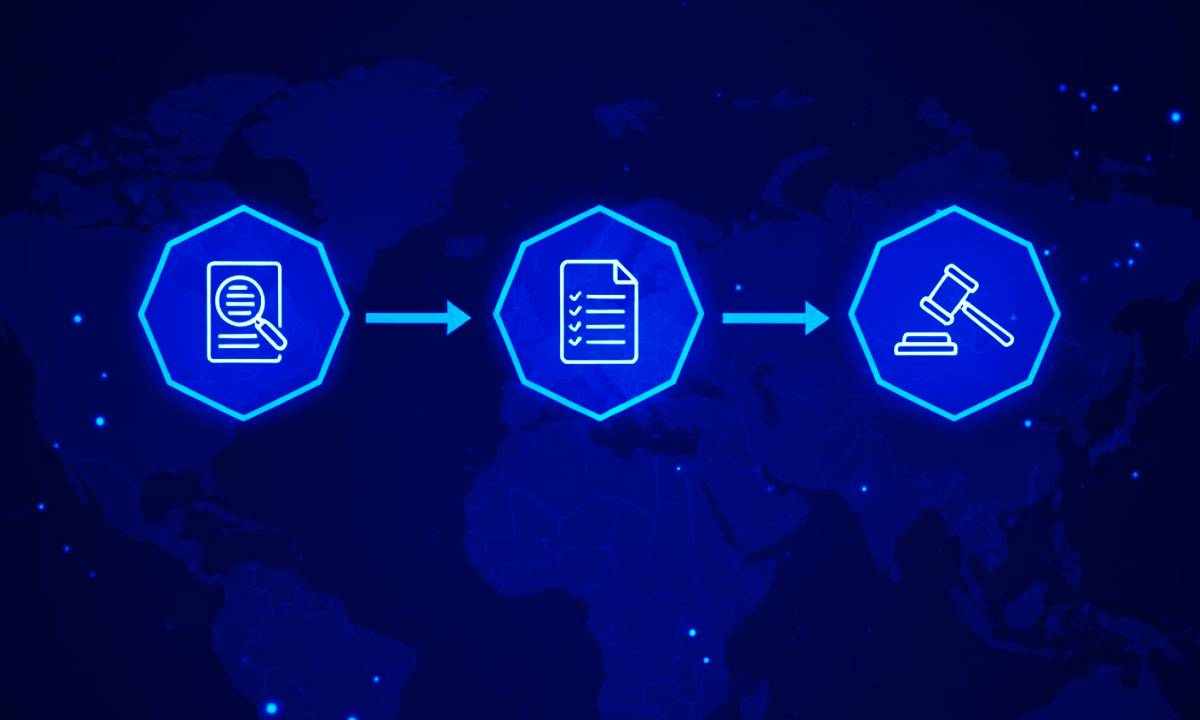
The first step is to remain calm and avoid impulsive action. Immediate removal of content may sometimes be appropriate, but only after assessing the claim. The notice should be reviewed carefully to identify the copyrighted work, the nature of the alleged infringement, and the legal basis of the claim. Missing or vague details may indicate an incomplete or defective notice. Preserving evidence is crucial. Screenshots, upload records, licences and correspondence should be retained before making any changes.
Verifying the Validity of the Claim
Not all copyright infringement notices are valid. Some claims are based on misunderstanding, misidentification or overreach. Verification involves checking whether the sender owns the copyright or is authorised to act on behalf of the owner. It also requires assessing whether the content is actually protected, whether it was used without permission, and whether any statutory exceptions apply. In India, fair dealing exceptions permit limited use for purposes such as criticism, review, reporting of current events, research and education. These exceptions must be analysed carefully based on facts.
Assessing Fair Dealing and Permitted Use
Fair dealing under Indian copyright law allows certain uses without permission, provided they meet statutory criteria. This assessment is fact-specific and considers the purpose, extent and impact of use.
For example, use for commentary or review may be permissible, while commercial exploitation without transformation may not. Automated notices often fail to account for fair dealing, making legal review essential. Incorrect assumptions about fair use can either expose users to liability or lead to unnecessary takedowns.
Responding to a Copyright Infringement Notice
A response should be measured, factual and legally accurate. It may involve denial of infringement, explanation of lawful use, request for clarification, or compliance with the notice. If the claim is valid, removing the content and confirming compliance may resolve the issue. Where the claim is disputed, a reasoned reply citing legal provisions and evidence is appropriate. At this stage, many recipients seek advice from best copyright lawyers in India to ensure the response protects their legal position without escalating the dispute.
Handling Platform-Based Takedown Notices
Online platforms often issue copyright infringement notices under their internal policies. Failure to respond may result in content removal, account suspension or repeated strike penalties. Platforms typically provide counter-notice mechanisms allowing users to challenge wrongful takedowns. However, submitting a counter-notice may expose the user to legal proceedings if the rights holder pursues the matter.
Understanding platform policies and legal consequences is critical before taking action.
Legal Risks of Ignoring Copyright Infringement Notices
Ignoring a copyright infringement notice can have serious consequences. Rights holders may initiate civil litigation seeking injunctions, damages and legal costs. In certain cases, criminal liability may also arise under Indian law, particularly where infringement is wilful and commercial. Continued infringement after notice may be viewed unfavourably by courts.
Prompt and informed response reduces legal exposure.
Settlement, Licensing and Resolution Options
Many copyright disputes are resolved through negotiation rather than litigation. Licensing agreements, content modification or settlement payments may provide practical solutions. Settlement should be documented carefully to avoid future claims. Admission of liability should be avoided unless legally advised. Strategic resolution balances legal risk, commercial impact and reputational concerns.
Copyright Infringement Notices in Cross-Border Contexts
Online content often crosses national boundaries, resulting in notices from foreign rights holders. Jurisdiction, applicable law and enforcement mechanisms vary significantly. For businesses with global reach, addressing infringement notices may involve compliance with international treaties and foreign legal standards. Support for international copyright registration and cross-border strategy become important in managing such risks.
Preventive Measures to Avoid Copyright Infringement Notices
Preventive compliance reduces the likelihood of receiving infringement notices. Content audits, proper licensing, attribution checks and internal guidelines help mitigate risk. Using reputable content sources and maintaining licence records strengthens legal defence. Employee awareness also plays a key role. Proactive compliance is more effective than reactive dispute handling.
Conclusion
Copyright Infringement Notices are increasingly common in the digital environment, but they do not always signal wrongdoing. A structured, legally informed response is essential to protect rights, avoid escalation and maintain compliance. By verifying claims, understanding statutory exceptions and responding strategically, individuals and businesses can manage copyright disputes effectively. Awareness, documentation and timely legal advice remain the foundation for handling infringement notices with confidence and clarity.
Frequently Asked Questions (FAQs)
Q1. What is a copyright infringement notice
It is a formal communication alleging unauthorised use of copyrighted content and demanding corrective action.
Q2. Does receiving a notice mean I am legally liable
No. A notice is an allegation, not a court determination. Liability depends on facts and law.
Q3. Should I remove content immediately after receiving a notice
Not always. Content should be reviewed first to assess validity and available legal defences.
Q4. Can I challenge a wrongful copyright infringement notice
Yes. Wrongful notices may be disputed through legal responses or platform counter-notice procedures.
Q5. How long should I take to respond to a notice?
Responses should be prompt, usually within the timeframe mentioned in the notice or platform policy.