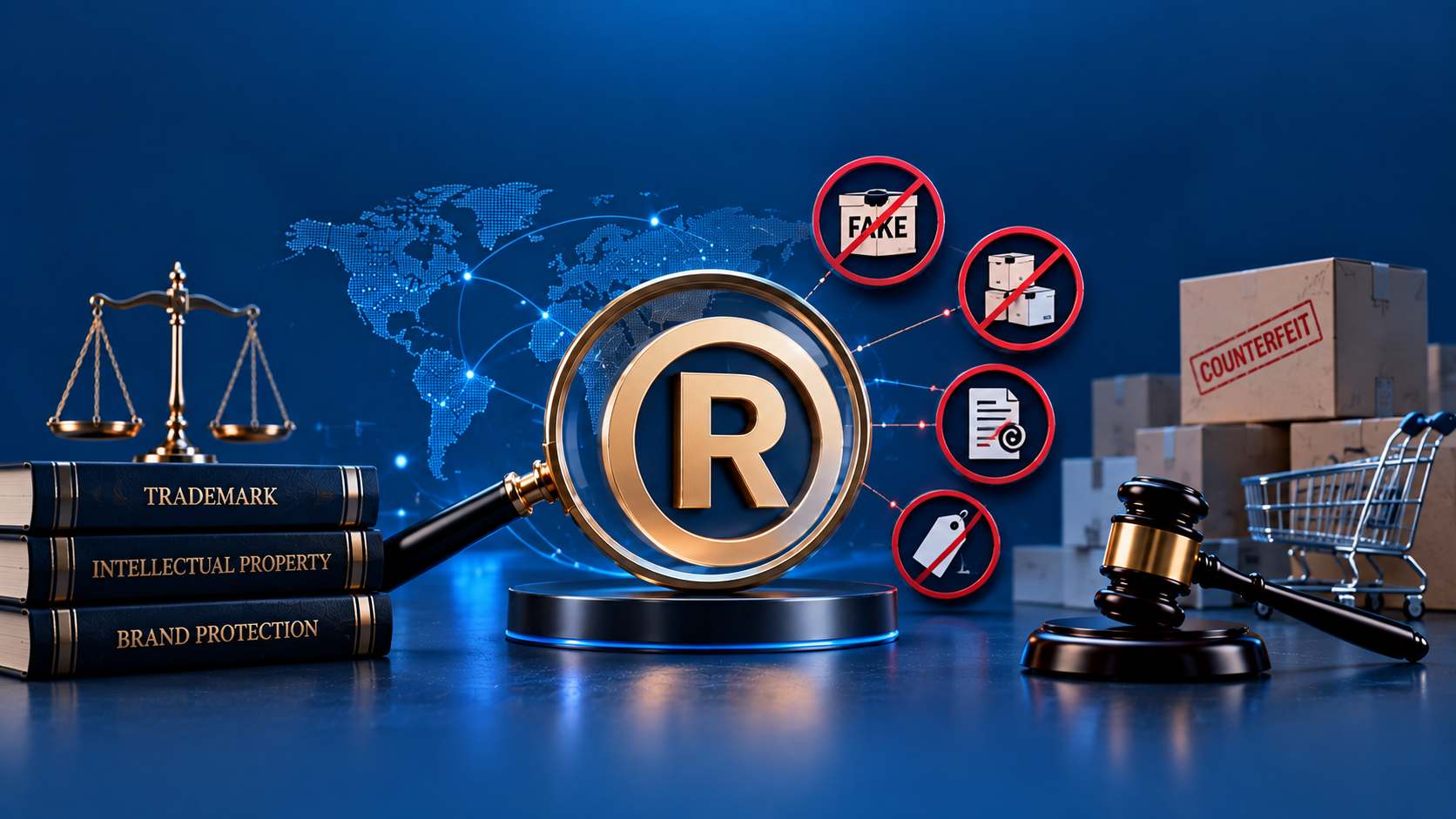

A successful brand can attract customers, build goodwill and become one of a business’s most valuable intellectual property assets. Yet brand value can be affected quickly when another business adopts a confusingly similar name, logo, packaging or identity. Brand Monitoring helps businesses identify potentially conflicting use before it becomes widespread and more difficult to address. In India, trademark protection does not end when registration is obtained. Businesses need to monitor trademark applications, marketplaces, websites, social media and other commercial channels where unauthorised use may occur. Early detection gives a brand owner more time to preserve evidence, assess the legal position and take proportionate action.
What Is Brand Monitoring?
Brand monitoring is the ongoing process of watching the market for unauthorised, misleading or potentially conflicting use of a business’s trademarks and other distinctive brand elements. For a registered trademark owner, monitoring can help identify conduct potentially covered by Section 29 of the Trade Marks Act, 1999. The provision addresses several forms of infringement, including use of identical or deceptively similar marks in circumstances specified by the legislation. Monitoring is broader than simply searching for an exact copy of a trademark. A business may need to look for variations in spelling, pronunciation, logos, packaging, domain names and digital advertising. The objective is not to treat every similar mark as infringement. Instead, monitoring should identify potential risks early so they can be legally assessed.
Why Should Businesses Identify Infringement Early?
The longer an infringing brand remains in the market, the greater the potential commercial impact. A competing business may gradually build recognition around a similar name. Customers may begin associating its products with the established brand. Online listings can spread rapidly across marketplaces and social media. Search results may also become crowded with competing brand references.
Early detection gives the trademark owner an opportunity to intervene before the problem becomes substantial. It also helps preserve evidence. Online content can be changed or deleted without warning. A business which discovers potential infringement months later may find it harder to establish the original extent and duration of the unauthorised use. Early action can therefore support both commercial brand protection and a stronger legal response.
How Brand Monitoring Helps Detect Trademark Infringement
Effective monitoring begins with identifying the brand elements which need protection. A business should consider its registered word marks, logos, slogans and other distinctive elements. It should also consider important variations customers may use when searching for the brand. The next stage is to identify where potentially infringing use is most likely to appear. This may include the Trade Marks Registry, ecommerce platforms, websites, social media, business directories, online advertisements and physical markets. The frequency and scope of monitoring should reflect the value and visibility of the brand. A widely recognised consumer brand may require a more extensive monitoring system than a small business operating in a limited market.
Monitor the Indian Trade Marks Registry
One of the most important monitoring activities is reviewing trademark applications filed by third parties. A conflicting application can create a problem even before the applicant begins extensive commercial use. Identifying it early may allow the trademark owner to consider the appropriate response within the statutory framework. Businesses should look beyond exact matches. A third party may file a mark which is visually, phonetically or conceptually similar to an existing brand. The goods and services covered by the application also matter. A similar mark used for unrelated goods may present a different legal issue from one filed for directly competing products. Regular monitoring of relevant trademark applications can therefore form an important part of a wider brand protection strategy.
Search for Similar Names and Logos Online
Search engines can provide useful early warning signals. Businesses should periodically search their trademarks together with variations in spelling, spacing and pronunciation. Similar searches can be carried out for distinctive logos and brand phrases. The aim is to identify businesses using a similar commercial identity rather than simply locating exact copies. For example, a competitor may replace one letter in a brand name or adopt a slightly altered logo while retaining the overall commercial impression. Such use may warrant further legal assessment even though it does not exactly reproduce the registered mark. Search results should be treated as monitoring evidence rather than conclusive proof of infringement.
Monitor Ecommerce Marketplaces
Online marketplaces can be an important source of trademark problems. Unauthorised sellers may use a brand name in product titles, descriptions, images or packaging. Counterfeit goods can also appear under established trademarks. Section 29 recognises several forms of commercial use, including offering goods for sale, putting goods on the market, stocking goods for sale and using a trademark in advertising. Businesses should therefore monitor major ecommerce channels relevant to their products. When a suspicious listing is found, it is useful to preserve the listing before reporting it. Screenshots, product details, seller information, photographs and the webpage address can help establish what was being offered and how the trademark was being used.
Monitor Social Media Platforms
Social media can create trademark risks at considerable speed. A third party may create an account using a similar business name, reproduce a logo or present itself as an authorised distributor. Customers may also be confused when an unauthorised seller uses the brand to promote competing goods. Monitoring should cover the business’s main platforms as well as common variations of its name. Particular attention should be given to accounts which use similar branding, product photographs or descriptions and appear to suggest an association with the established business. The commercial context is important. A username alone does not automatically establish trademark infringement. The way the account uses the brand and the impression created for consumers should be considered.
Watch Digital Advertising
Digital advertising creates another area where trademark disputes can arise. Competitors may use another business’s trademark in advertisements or keyword based campaigns. Section 29(8) addresses certain forms of advertising involving registered trademarks where the statutory requirements are satisfied. Businesses should therefore consider monitoring paid search results and other forms of online advertising for potentially misleading use. Not every reference to a competitor’s trademark is automatically unlawful. Section 30 also contains limitations on the effect of registered trademark rights in specified circumstances. A monitoring system should therefore identify suspicious advertising for legal review rather than automatically treating every reference as infringement.
Look for Phonetic and Visual Similarities
Trademark monitoring should not be limited to exact spelling. Two marks can appear different when written but sound similar when spoken. Similarly, logos can use different colours or minor design changes while retaining a recognisable overall appearance. Indian trademark law recognises the relevance of deceptively similar marks. Section 29 provides protection in circumstances where the use of an identical or similar mark creates the statutory conditions for infringement. Businesses should therefore search for phonetic equivalents, common misspellings, abbreviated forms and visually similar logos. This is particularly important for brands with short or distinctive names.
Monitor Domain Names and Business Names
Domain names can become an early indicator of potentially conflicting activity. A third party may register a domain incorporating a brand name or a confusing variation of it. The legal position depends on the circumstances, but early identification can help the business assess whether action is appropriate. Business directories, company websites and other online records can also reveal businesses adopting similar trading names. Section 29(5) addresses certain circumstances involving use of a registered trademark as a trade name or part of a business name. A business should therefore consider its online brand presence as part of its wider monitoring programme.
How to Tell Whether a Similar Mark May Be Infringing
Finding a similar trademark does not automatically mean infringement has occurred. The first consideration is whether the mark is identical or deceptively similar. The nature of the goods or services is also important. Section 29(2) addresses situations involving identity or similarity of marks and goods or services where use is likely to cause confusion or create an association with the registered trademark. The assessment may also consider the overall commercial impression, consumer perception and manner of use. Businesses should therefore avoid relying solely on visual comparison. A proper assessment should consider the full commercial context.
Warning Signs Businesses Should Not Ignore
Certain developments should prompt closer examination. A competitor adopting a highly similar brand name is an obvious warning sign. Other concerns may include similar packaging, copied logos, suspicious domain registrations, marketplace listings using the brand, social media accounts suggesting affiliation or advertisements which create an impression of association. A sudden increase in customer complaints can also be significant. Customers may report receiving products from an unfamiliar seller or encountering a website which appears connected to the established business. These complaints can provide valuable evidence of actual confusion, particularly when they are documented consistently.
Preserve Evidence Before Taking Action
Evidence preservation is one of the most important parts of early trademark enforcement. When suspicious use is identified, businesses should record screenshots, URLs, product photographs, advertisements, seller information and relevant dates. Where appropriate, copies of invoices or purchased samples may also help establish commercial use.
The evidence should show how the mark appeared to consumers rather than merely stating the business’s interpretation of the conduct. This distinction can become important if the matter develops into litigation. Businesses should also avoid altering or manipulating digital evidence. Original records and reliable records of when material was captured can strengthen its evidentiary value.
What Should You Do After Detecting Potential Infringement?
The appropriate response depends on the nature and seriousness of the conduct. The first step is generally to verify the business’s own trademark rights and registration details. The relevant classes, proprietor information and scope of registration should be checked. The next step is to assess the competing mark and its use. The business should consider whether the facts indicate infringement, passing off, counterfeiting, contractual misuse or another legal issue.
Where appropriate, the business may then consider a cease and desist notice, marketplace complaint, opposition proceedings, negotiation or civil action. A trademark infringement lawsuit in India may become appropriate where the infringement is serious, ongoing or causing significant commercial harm. However, litigation should generally follow a considered assessment of the evidence and the available remedies.
When Should a Business Seek Legal Advice?
Professional advice can be particularly useful when the competing mark is commercially significant or the legal position is unclear. A legal assessment can help determine whether the marks are sufficiently similar, whether the relevant goods or services overlap and whether any statutory limitations apply. It can also help the business assess the strength of its evidence and choose a proportionate enforcement strategy. Where the suspected infringement involves multiple jurisdictions, online marketplaces, counterfeit products or a highly valuable brand, early advice from the best trademark lawyer in India can help the business understand its options before taking irreversible steps.
How Can Businesses Create an Effective Monitoring System?
A strong monitoring system should be consistent rather than occasional. The business should maintain a central record of its trademarks, important variations and relevant goods and services. It should identify the commercial channels requiring regular review and establish an internal process for reporting suspicious activity.
The system should also distinguish between potential risks and confirmed infringement. Not every alert requires legal action. A structured review process can help prioritise serious threats while avoiding unnecessary disputes. Businesses with large trademark portfolios may consider specialist monitoring services or technology based tools. Smaller businesses can begin with structured searches of relevant trademark databases, search engines and online platforms. The most important factor is consistency.
Conclusion
Trademark infringement can cause serious commercial harm when it goes undetected. Customers may become confused, counterfeit goods may enter the market and competitors may build recognition around a similar brand. Effective Brand Monitoring allows businesses to identify these risks earlier. Monitoring should extend beyond exact trademark matches to include similar names, phonetic variations, logos, packaging, trademark applications, ecommerce listings, social media accounts, websites and digital advertising.
The Trade Marks Act, 1999 provides registered proprietors with important statutory protection, including rights under Section 28 and infringement provisions under Section 29. At the same time, Section 30 demonstrates why each suspected infringement requires careful legal assessment. The most effective approach is proactive. Businesses should monitor relevant channels, preserve evidence promptly and assess potential conflicts before taking enforcement action. A trademark is built through customer recognition and commercial investment. Protecting it requires continuous attention. Early identification of suspicious use can give businesses the opportunity to act before a potential trademark problem becomes a serious threat to brand reputation and commercial value.
Frequently Asked Questions (FAQs)
What is trademark monitoring?
Trademark monitoring is the process of regularly checking trademark databases, online platforms, marketplaces, websites, social media and other commercial channels for potentially conflicting or unauthorised use of a trademark.
Why is trademark monitoring important?
Monitoring helps businesses identify potential infringement at an early stage. Early detection can make evidence preservation easier and may allow the business to take action before an unauthorised brand becomes widely established.
Does every similar trademark amount to infringement?
No. Infringement depends on the statutory requirements and the facts of the particular case. Similarity between marks, the relevant goods or services, consumer confusion and the manner of use can all be important considerations.
What should I do if I find someone using my trademark?
Preserve evidence first. Record the relevant webpage, product listing, advertisement, seller details and date. Then verify your trademark rights and obtain an assessment of the competing use before deciding on enforcement action.
Can online marketplace listings infringe a trademark?
Yes. Depending on the circumstances, offering goods for sale, stocking goods or advertising goods using a registered trademark can fall within Section 29 of the Trade Marks Act.