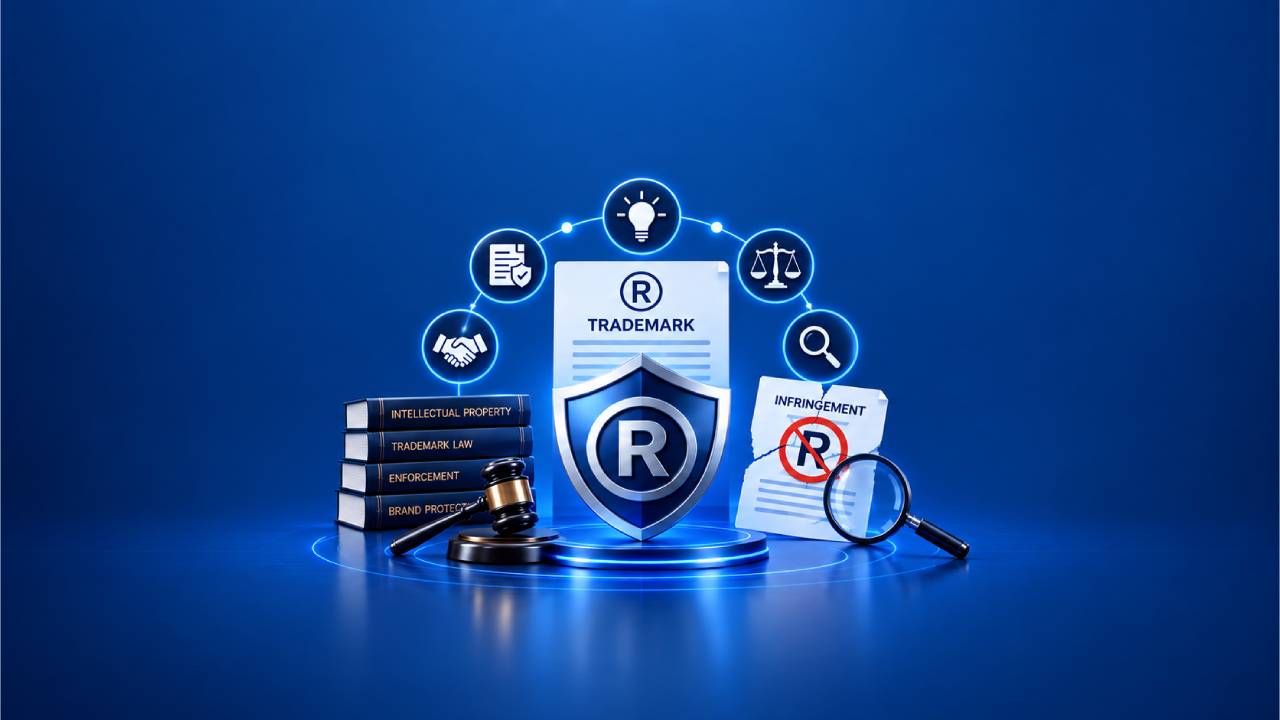

Early stage businesses often focus on product development, funding, and market entry. Legal protection of brand identity is frequently postponed until a later stage. This approach may appear practical in the short term. However, Brand Registration Delay can create serious legal and commercial consequences. A brand is more than a name or logo. It represents reputation, customer trust, and long term business value. When registration is delayed, businesses expose themselves to risks which may affect growth, valuation, and operational stability.
India’s trademark regime, governed by the Trade Marks Act 1999, offers a structured framework for protection of brand identity. Businesses which act early often secure stronger rights and avoid disputes. Those who delay may face complications which are difficult and costly to resolve.
Understanding Brand Registration Delay
Brand registration delay refers to postponing the process of securing legal rights over a business name, logo, or identifier. Many businesses assume use alone provides sufficient protection. While prior use may confer limited rights, it does not offer the same level of legal certainty as registration. The official Trade Marks Registry portal at https://ipindia.gov.in provides access to application procedures, statutory forms, and public trademark records. This platform reflects the importance placed by law on formal registration rather than informal use. When businesses delay registration, they operate without a clear legal shield. This creates uncertainty in enforcement and exposes them to competing claims.
Why Businesses Delay Brand Registration?
Founders often prioritise operational expenses over legal formalities. Registration is sometimes perceived as a secondary requirement rather than a foundational step. Limited awareness of intellectual property law also contributes to delay. In some cases, businesses assume their brand is unique without conducting a proper search. Others believe registration becomes relevant only after scaling operations. These assumptions often lead to avoidable legal challenges.
Loss of Priority Rights
One of the most significant consequences of delay is loss of priority. Trademark law recognises rights based on both use and registration. However, filing an application establishes a formal claim over a mark. If another party files for a similar mark before the original user, legal complications arise. The later filer may gain procedural advantage, especially if the earlier user lacks evidence of continuous use. Timely filing ensures priority and reduces risk of competing claims over the same or similar brand.
Risk of Rebranding and Business Disruption
Brand registration delay can lead to situations where a business is forced to change its name or logo. This often occurs when another entity holds prior rights or successfully registers a similar mark. Rebranding involves more than changing a name. It affects marketing materials, domain names, packaging, and customer perception. Businesses may lose recognition built over time and incur additional costs in rebuilding identity. Such disruption can be particularly damaging for startups and small enterprises with limited resources.
Legal Disputes and Litigation Costs
Delaying registration increases the likelihood of disputes. Businesses may face opposition proceedings, infringement claims, or passing off actions initiated by other parties. Litigation involves legal fees, time, and uncertainty. It may also result in interim injunctions which restrict use of the brand during the dispute. Engaging in trademark filing in India at an early stage helps reduce exposure to such disputes and provides a stronger legal basis for enforcement.
Weak Enforcement Against Infringement
Without registration, enforcement becomes more challenging. Unregistered rights rely on proving reputation and goodwill in a specific market. This often requires extensive evidence and may not always succeed. Registered trademarks provide statutory rights which simplify enforcement. Courts recognise registration as proof of ownership, making it easier to obtain relief against infringers. Brand registration delay therefore weakens the ability of a business to act against unauthorised use.
Impact on Investor Confidence
Investors increasingly evaluate intellectual property assets when assessing a business. A registered trademark reflects legal preparedness and reduces risk associated with brand ownership. In contrast, unregistered brands may raise concerns. Investors may question whether the business has secure rights over its identity. This can influence valuation and investment decisions. Early registration strengthens credibility and demonstrates structured legal planning.
Digital Risks and Online Brand Misuse
In the digital marketplace, brand misuse can occur rapidly. Domain name disputes, social media impersonation, and unauthorised listings are common issues faced by businesses. Without registered rights, addressing such misuse becomes more difficult. Platforms often require proof of ownership before taking action against infringing content. Brand registration delay therefore increases vulnerability in online environments where speed of misuse often exceeds speed of legal response.
Barriers to Expansion and Licensing
As businesses grow, they may expand into new markets or enter licensing arrangements. Trademark registration plays a crucial role in such activities. It allows businesses to grant rights, enter partnerships, and maintain control over brand usage. Without registration, expansion may face obstacles. Businesses may encounter existing marks in new markets or face challenges in enforcing rights against local entities. Early registration provides a foundation for smooth expansion and commercial exploitation of brand assets.
Examination and Opposition Risks
When businesses delay filing, they increase the risk of encountering objections during examination. Similar marks may already exist on the register, leading to refusal or conditions imposed by the Registry. Opposition proceedings may also arise if third parties challenge the application. These proceedings involve legal arguments, evidence, and hearings before the Registrar. Early filing reduces the likelihood of encountering crowded registers and strengthens the chances of successful registration.
Long Term Financial Implications
The cost of delaying registration often exceeds the cost of early compliance. Legal disputes, rebranding expenses, and loss of market position can result in significant financial impact. Trademark registration is a relatively modest investment compared to the potential losses arising from delayed protection. Businesses which act early often avoid unnecessary expenditure in the future.
Role of Legal Guidance in Brand Protection
Professional legal advice plays an important role in managing brand protection strategies. A trademark lawyer in India can assist in conducting searches, filing applications, responding to objections, and advising on enforcement. Legal guidance helps businesses navigate procedural requirements and avoid common pitfalls associated with registration. Structured legal planning ensures consistency in brand protection and reduces risk of disputes over time.
Building a Proactive Brand Protection Strategy
Brand protection should be integrated into the early stages of business planning. It involves more than filing a single application. Businesses should monitor market activity, protect variations of their mark, and maintain records of use. Regular review of trademark portfolios helps ensure continued protection as the business evolves. New products, services, or markets may require additional filings. A proactive approach supports long term growth and reduces legal uncertainty.
Conclusion
Brand identity is one of the most valuable assets of a business. Delaying its protection creates risks which may affect operations, reputation, and financial stability. Brand Registration Delay is not merely a procedural issue. It is a strategic concern which can influence the future of a business. Early registration provides clarity, strengthens legal rights, and supports sustainable growth. In a competitive and digitally driven marketplace, timely action is essential for preserving brand value and avoiding avoidable disputes.
Frequently Asked Questions (FAQs)
What is brand registration delay?
Brand registration delay refers to postponing the process of securing legal protection for a business name, logo, or identifier.
Why is early trademark registration important?
Early registration establishes priority, strengthens legal rights, and reduces the risk of disputes or rebranding.
Can a business operate without trademark registration?
Yes, but unregistered use provides limited protection and may lead to difficulties in enforcement.
What are the risks of delaying trademark registration?
Risks include loss of priority, legal disputes, rebranding costs, and difficulty in enforcing rights.
How long does trademark registration take in India?
The process may take several months depending on examination, objections, and opposition proceedings.
Does trademark registration help in online brand protection?
Yes. Registered rights assist in addressing misuse on digital platforms, including domain disputes and unauthorised listings.