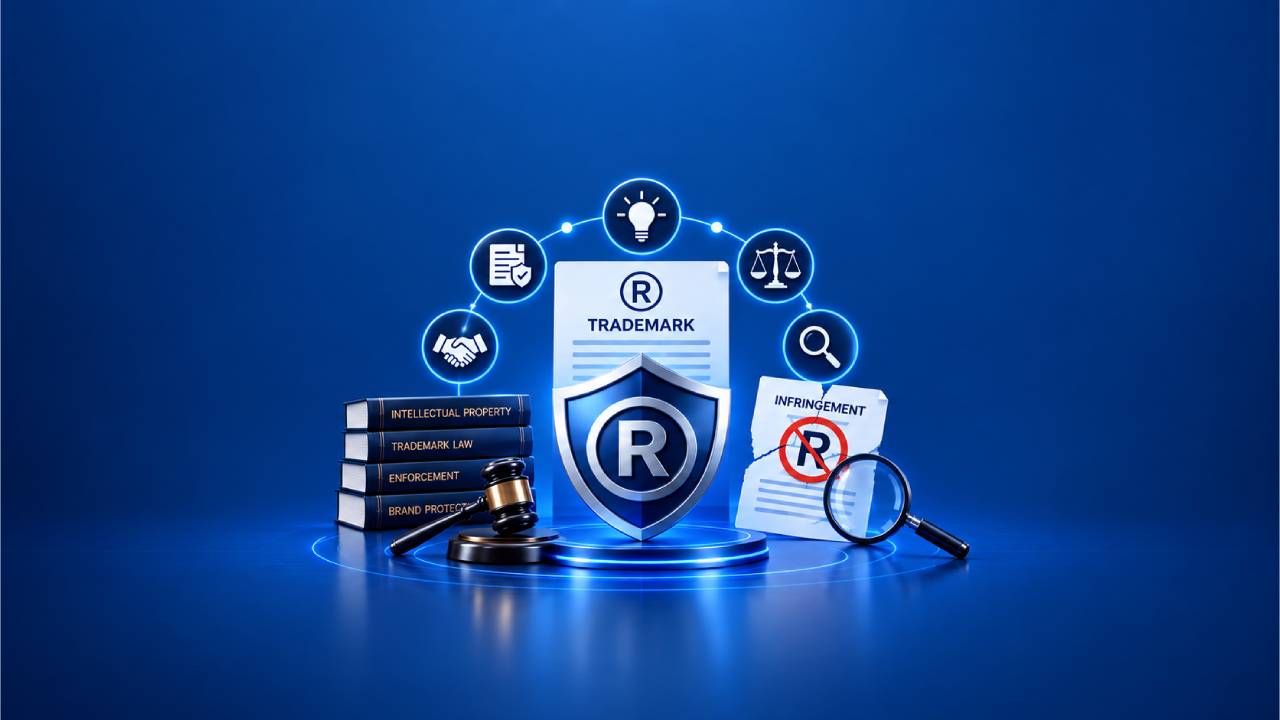

In the early phase of a business, brand identity often begins as a creative exercise. Founders focus on selecting a name, designing a logo, and shaping a visual presence. Over time, however, this identity evolves into something far more significant. A Brand Identity Asset is not merely a marketing tool. It becomes a legally recognised form of property capable of protection, valuation, and commercial exploitation. For growing companies, understanding this transition is essential for sustainable expansion and risk management.
Modern businesses operate in markets where perception and recognition influence purchasing behaviour. A distinct identity enables companies to differentiate themselves and establish trust. When such identity is secured through legal mechanisms, it transforms into an enforceable right capable of generating economic value.
Understanding Brand Identity as a Legal Concept
Brand identity includes elements such as names, logos, slogans, packaging, and overall presentation used in the course of trade. These elements collectively create an association between a product or service and its source. From a legal perspective, these elements may qualify for protection under trademark law. Once protected, they grant exclusive rights to the owner and prevent unauthorised use by others. This is how a brand evolves from a marketing concept into a legally enforceable asset. The statutory framework governing trademark protection in India is provided under the Trade Marks Act 1999. The official government portal at https://ipindia.gov.in offers access to procedures, forms, and public trademark records. This system reflects the importance placed on formal registration in establishing legal rights.
Brand Identity Asset and Its Legal Recognition
A Brand Identity Asset acquires legal recognition through registration and continuous use. Registration provides statutory rights, while use establishes goodwill in the marketplace. Legal recognition allows the owner to control how the brand is used. It also enables enforcement against infringement and passing off. Without such recognition, brand identity remains vulnerable to misuse and imitation. As companies grow, the legal status of their brand becomes increasingly important. Investors, partners, and stakeholders often examine intellectual property rights before engaging in commercial relationships.
Why Growing Companies Must Focus on Brand Protection?
Growth brings visibility. Visibility increases the likelihood of imitation or unauthorised use. Companies expanding into new markets often encounter similar or identical marks already in use. Early protection ensures exclusivity and reduces the risk of disputes. It also creates a stable foundation for scaling operations across regions and industries. A protected brand identity supports consistency in marketing and strengthens consumer trust. It becomes a strategic asset capable of influencing long term success.
Trademark Registration as a Foundation of Legal Ownership
Trademark registration is the primary mechanism through which brand identity becomes a legal asset. Registration grants exclusive rights to use the mark in relation to specified goods or services. It also provides statutory remedies against infringement. Courts recognise registration as evidence of ownership, making enforcement more effective. Businesses often initiate trademark e filing and registration to secure their brand identity at an early stage. This process establishes priority and reduces the likelihood of competing claims.
Economic Value of Brand Identity
A strong brand identity contributes directly to the valuation of a company. It influences consumer loyalty, pricing power, and market position. When legally protected, it becomes an intangible asset capable of generating revenue. Companies may license their trademarks, enter franchise agreements, or assign rights as part of commercial transactions. In mergers and acquisitions, brand value often forms a significant component of overall valuation. A legally recognised Brand Identity Asset therefore plays a critical role in financial planning and investment strategy.
Risk of Operating Without Legal Protection
Businesses operating without trademark protection face several risks. Competitors may adopt similar branding, leading to confusion among consumers. This may dilute brand value and affect reputation. There is also the possibility of legal action initiated by other parties claiming prior rights. Such disputes may result in injunctions, damages, or forced rebranding. Rebranding at a later stage involves loss of goodwill, additional costs, and disruption of business operations. Early protection helps avoid such complications.
Role of Consistent Use in Strengthening Rights
Legal rights over a brand are strengthened through consistent use in the marketplace. Continuous use builds goodwill and reinforces association between the mark and its source. Courts often consider evidence of use while determining disputes involving trademarks. Documentation such as invoices, advertisements, and digital presence may support claims of ownership. Companies should therefore maintain records of use as part of their brand protection strategy.
Brand Identity in the Digital Environment
Digital platforms have expanded the scope of brand usage. Domain names, social media handles, and online marketplaces create new avenues for brand visibility. At the same time, they increase the risk of misuse. Unauthorised use of brand identity online can occur rapidly. Without legal protection, addressing such misuse becomes challenging. Registered trademarks enable businesses to take action against infringement across digital platforms. Brand identity as a legal asset must therefore extend to digital spaces where commercial interaction increasingly occurs.
Expansion into New Markets
Growing companies often expand into new geographic markets. Trademark protection in the home jurisdiction provides a basis for seeking protection in other regions. Without early registration, companies may face conflicts with existing marks in new markets. This can delay expansion and create legal uncertainty. A structured approach to brand protection supports smooth entry into new markets and reduces risk of disputes.
Licensing and Commercial Exploitation
A legally protected brand identity may be licensed to third parties. Licensing allows businesses to generate revenue while retaining ownership of the mark. It also enables expansion without direct operational involvement. Franchise models rely heavily on brand identity as a legal asset. Consistency in brand usage across locations depends on enforceable rights over the mark. Companies working with a trademark specialist law firm in India often develop structured licensing strategies to maximise commercial value.
Enforcement and Legal Remedies
Trademark registration provides access to legal remedies against infringement. Courts may grant injunctions to prevent unauthorised use. They may also award damages or account of profits. Enforcement is more effective when rights are clearly established through registration. It allows businesses to act promptly and protect their market position. Regular monitoring of market activity is essential for identifying potential infringement and taking timely action.
Building a Long Term Brand Strategy
Brand identity should be treated as a long term asset rather than a short term marketing element. Companies should adopt a structured approach to protection, including registration, monitoring, and renewal of trademarks. As businesses evolve, new products and services may require additional filings. Variations of the brand, including logos and taglines, may also need protection. A comprehensive strategy ensures consistency and strengthens the legal position of the company over time.
Conclusion
Brand identity evolves with the growth of a business. What begins as a creative concept gradually becomes a valuable legal asset. A Brand Identity Asset carries both commercial and legal significance. It influences market perception, supports expansion, and contributes to financial valuation. Early recognition of this transformation allows companies to secure their rights and avoid avoidable risks. Legal protection ensures control over brand usage and enables enforcement against misuse. In a competitive marketplace, a protected brand identity is not merely an advantage. It is a necessity.
Frequently Asked Questions (FAQs)
What is a brand identity asset?
A brand identity asset refers to a legally protected name, logo, or identifier used in commerce which holds economic and strategic value.
How does brand identity become a legal asset?
Brand identity becomes a legal asset through registration under trademark law and continuous use in the marketplace.
Why is trademark registration important for growing companies?
Registration provides exclusive rights, strengthens enforcement, and supports business expansion and valuation.
Can a brand have value without registration?
Yes, but unregistered brands have limited protection and may face challenges in enforcement and dispute resolution.
How does brand identity impact company valuation?
A strong and protected brand enhances market recognition, investor confidence, and overall business valuation.
What role does digital presence play in brand protection?
Digital platforms increase visibility but also risk of misuse. Legal protection enables enforcement against unauthorised use online.