
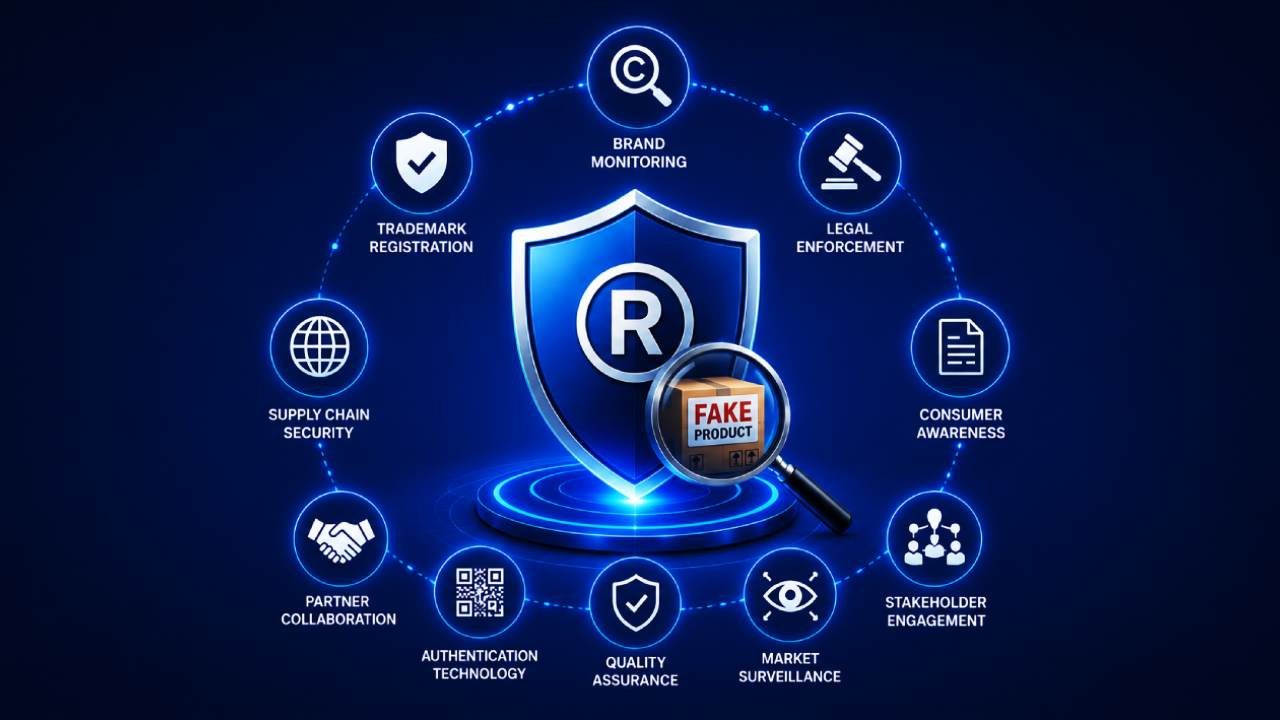
In today’s competitive marketplace, protecting a brand has become just as important as building one. Counterfeit products continue to affect businesses across industries, causing financial losses, damaging consumer trust, and weakening brand reputation. Effective brand protection strategies are essential for businesses operating in India, particularly as counterfeiters become increasingly sophisticated in both physical and digital markets. A proactive approach to brand protection can help organisations safeguard intellectual property, maintain customer confidence, and preserve long term business value.
With counterfeit goods affecting sectors ranging from pharmaceuticals and electronics to fashion and consumer products, businesses must understand how to prevent infringement before it causes significant damage.
Brand Protection Strategies for Businesses in India
Strong brand protection strategies involve a combination of legal protection, market monitoring, enforcement measures, consumer awareness, and technological solutions. Businesses that adopt a comprehensive approach are better equipped to identify threats early and respond effectively. Brand protection is not a one time exercise. It requires ongoing attention, continuous monitoring, and timely legal action whenever infringement is detected. As India’s economy continues to expand and ecommerce adoption grows, organisations must prioritise intellectual property protection as part of their overall business strategy.
Understanding the Impact of Counterfeiting
Counterfeit products are unauthorised copies designed to imitate genuine goods. These products often use trademarks, logos, packaging, labels, and branding elements without permission. The consequences of counterfeiting extend beyond revenue loss. Fake products can damage consumer confidence, create health and safety risks, and reduce the perceived value of legitimate brands. Businesses may also face customer complaints, reputational harm, and increased costs associated with enforcement and recovery efforts. Preventing counterfeiting begins with understanding the risks and implementing measures to reduce vulnerability.
Secure Trademark Registration at the Earliest Stage
Trademark registration is one of the most important steps in protecting a brand. A registered trademark provides exclusive legal rights and creates a strong foundation for enforcement against counterfeiters. Without registration, businesses may face additional challenges when attempting to establish ownership and pursue legal remedies. Organisations should register their trademarks promptly and ensure all registrations remain valid through timely renewals. Trademark records can be searched and maintained through the official portal of the [Office of the Controller General of Patents, Designs and Trade Marks]. Comprehensive trademark protection should include brand names, logos, taglines, packaging elements, and other distinctive identifiers.
Develop a Strong Intellectual Property Portfolio
Many businesses focus solely on trademarks while overlooking other valuable intellectual property assets. A robust intellectual property portfolio may include copyrights, design registrations, patents, trade secrets, and domain names. Protecting multiple aspects of a brand creates additional layers of security and makes enforcement more effective. Businesses should conduct periodic reviews of their intellectual property assets to identify gaps in protection and address potential risks.
Monitor the Marketplace Regularly
Continuous market surveillance is essential for detecting counterfeit activity at an early stage. Businesses should monitor physical retail outlets, distributors, wholesalers, trade exhibitions, and online marketplaces for unauthorised products. Regular monitoring helps identify infringement patterns and allows organisations to take action before counterfeit products gain widespread market presence. Technology driven monitoring systems can further improve detection capabilities and enhance enforcement efficiency.
Protect Your Brand Online
The rapid growth of ecommerce has increased the importance of digital brand protection. Counterfeit sellers frequently use online marketplaces, social media platforms, and independent websites to reach consumers. Businesses should monitor digital channels regularly and review product listings, advertisements, seller profiles, and website content for unauthorised use of trademarks. Prompt action against online infringement reduces consumer confusion and limits the spread of counterfeit goods. Many organisations work with a professional anti counterfeit law firm to establish ongoing online enforcement programmes and marketplace monitoring systems.
Educate Consumers About Genuine Products
Consumer awareness plays a significant role in preventing counterfeit sales. Customers who understand how to identify authentic products are less likely to purchase counterfeit goods. Businesses should provide clear information regarding authorised distributors, product features, security labels, and official sales channels. Educational campaigns can help consumers recognise suspicious products and report potential infringements. An informed customer base often becomes an additional layer of protection against counterfeit activity.
Strengthen Supply Chain Security
Counterfeit products often enter the market through weaknesses in supply chains. Businesses should carefully vet suppliers, manufacturers, distributors, and logistics partners to reduce the risk of unauthorised production or diversion. Implementing supplier audits, contractual safeguards, and quality control procedures can significantly improve supply chain integrity. Regular assessments help identify vulnerabilities and minimise opportunities for counterfeiters to exploit legitimate distribution networks.
Use Product Authentication Technologies
Technological solutions have become increasingly valuable in modern brand protection programmes. Many businesses now incorporate authentication features into product packaging and labelling to help consumers verify authenticity. Examples include serial numbers, QR codes, holograms, tamper evident packaging, radio frequency identification systems, and digital verification tools. These technologies make counterfeiting more difficult and improve product traceability throughout the supply chain. Authentication measures also provide valuable evidence during enforcement actions.
Conduct Brand Protection Audits
Periodic audits help businesses evaluate the effectiveness of existing protection measures. A comprehensive audit may assess trademark registrations, online presence, enforcement history, supply chain security, and internal compliance procedures. The findings can be used to strengthen protection strategies and address emerging risks. Regular audits ensure brand protection efforts remain aligned with changing market conditions and business objectives.
Respond Quickly to Infringement
Timely action is one of the most effective deterrents against counterfeiters. When infringement is detected, businesses should gather evidence, investigate the source, and assess the scope of the activity. Delays often allow counterfeiters to expand operations, distribute additional products, and destroy evidence. Prompt enforcement demonstrates a commitment to protecting intellectual property rights and discourages future violations.
Utilise Civil and Criminal Remedies
Indian law provides several legal remedies for businesses facing counterfeiting issues. Civil actions may result in injunctions, damages, delivery of infringing goods, and destruction of counterfeit products. Criminal enforcement may lead to investigations, search and seizure operations, fines, and prosecution of offenders. The combination of civil and criminal remedies often produces the strongest enforcement outcomes. Businesses facing large scale infringement frequently seek guidance from top IP litigation lawyers to develop coordinated enforcement strategies.
Record Trademarks With Customs Authorities
Counterfeit goods are often imported through international trade channels. Trademark owners can strengthen border protection by recording registered trademarks with the [Central Board of Indirect Taxes and Customs]. Customs authorities may identify and detain suspicious shipments before they enter commercial distribution channels. Border enforcement provides an additional layer of defence against counterfeit imports and helps reduce market infiltration.
Build an Internal Brand Protection Culture
Successful brand protection begins within the organisation. Employees should be trained to recognise infringement risks, report suspicious activities, and understand the importance of intellectual property rights. Sales teams, procurement departments, marketing professionals, and customer service personnel can all contribute to identifying potential threats. Creating a culture of awareness strengthens overall protection efforts and improves organisational readiness.
The Role of Continuous Enforcement
Counterfeiters often adapt their methods when enforcement actions are taken. For this reason, brand protection should be viewed as an ongoing process rather than a single legal event. Continuous monitoring, regular enforcement, and proactive risk management help businesses stay ahead of evolving threats. Consistent action also sends a clear message to infringers that intellectual property violations will not be tolerated.
Conclusion
Counterfeiting remains a significant challenge for businesses across India. However, organisations that implement comprehensive brand protection strategies can substantially reduce risks and safeguard valuable intellectual property assets. Trademark registration, market monitoring, online enforcement, supply chain security, consumer education, product authentication technologies, and legal action all play important roles in preventing counterfeiting. Businesses that adopt a proactive and long term approach are better positioned to protect their reputation, maintain customer trust, and achieve sustainable growth in an increasingly competitive marketplace.
Frequently Asked Questions (FAQs)
What are brand protection strategies?
Brand protection strategies are measures used to safeguard trademarks, intellectual property, reputation, and products from counterfeiting, infringement, and unauthorised use.
Why are brand protection strategies important in India?
They help businesses prevent financial losses, maintain customer trust, protect intellectual property rights, and reduce the impact of counterfeit products.
How does trademark registration help prevent counterfeiting?
Trademark registration provides legal ownership rights and enables businesses to take stronger enforcement action against infringers.
How can businesses identify counterfeit products?
Businesses can monitor marketplaces, review customer complaints, inspect distribution channels, and use product authentication technologies to identify counterfeit goods.
What legal remedies are available against counterfeiters in India?
Trademark owners may pursue civil litigation, criminal complaints, search and seizure actions, injunctions, damages, and customs enforcement measures.