The rapid growth of digital commerce has transformed the way consumers shop in India. While online marketplaces have created significant opportunities for businesses, they have also increased the risk of counterfeit goods entering the market. Today, online counterfeiting in India has become a serious concern for brand owners across industries, including fashion, electronics, pharmaceuticals, cosmetics, luxury products, and consumer goods. Fake sellers exploit the reach of e commerce platforms to distribute counterfeit products, often causing financial losses and damaging brand reputation.
For businesses seeking to protect their intellectual property, understanding the legal remedies and enforcement mechanisms available against online counterfeit sellers is essential. A proactive approach can help brands minimise risks, maintain customer trust, and strengthen long term market presence.
Understanding Online Counterfeiting in India
Online counterfeiting occurs when sellers use trademarks, logos, product images, packaging designs, or brand names without authorisation to market counterfeit goods through digital platforms. Unlike traditional counterfeiting, online infringement allows counterfeit sellers to reach consumers across multiple cities and states with minimal investment. The anonymity offered by digital marketplaces often makes it difficult to identify the actual source of counterfeit products. As online shopping continues to grow, counterfeit networks have become increasingly sophisticated. Many operate through multiple seller accounts, social media channels, independent websites, and marketplace platforms simultaneously. This evolving threat requires businesses to adopt modern brand protection strategies alongside traditional legal remedies.
Why Online Counterfeiting Is a Growing Problem
The expansion of online retail has created new opportunities for counterfeiters. Digital platforms provide easy access to consumers, reduced operational costs, and greater visibility for infringing products. Counterfeit goods sold online often appear genuine due to the use of copied product photographs, deceptive descriptions, and fake customer reviews. Many consumers only discover the products are counterfeit after receiving the goods. The impact extends beyond financial losses. Counterfeit products can damage customer confidence, dilute brand value, and create safety risks where product quality is critical. Businesses operating in highly competitive sectors are particularly vulnerable to reputational harm caused by counterfeit sellers.
Legal Framework Governing Online Counterfeiting
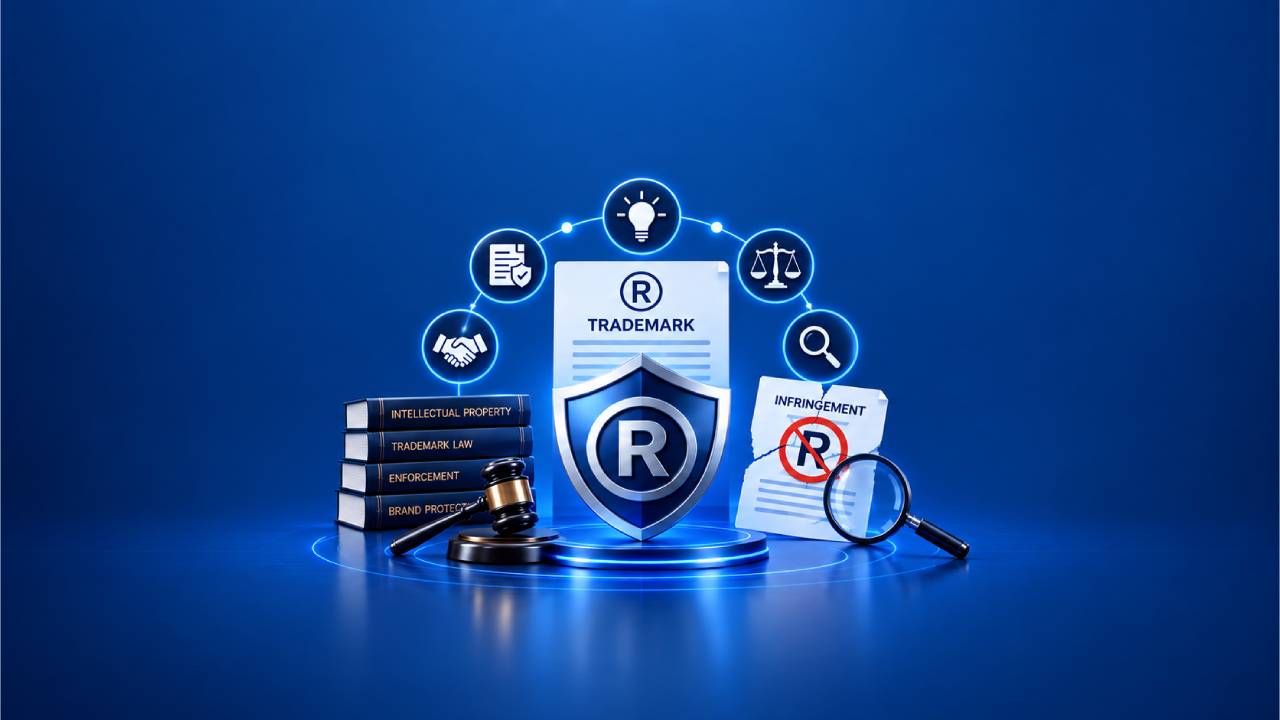
India provides several legal mechanisms for protecting trademarks and combating counterfeit activities in digital marketplaces. The Trade Marks Act, 1999 remains the primary legislation governing trademark infringement and counterfeit goods. Trademark owners may pursue civil and criminal remedies against counterfeit sellers using registered trademarks without permission. The Information Technology framework and intermediary regulations also influence how online platforms respond to infringement complaints. Businesses can verify trademark ownership and registration details through the official records maintained by the [Office of the Controller General of Patents, Designs and Trade Marks] Strong trademark protection forms the foundation of any successful online enforcement strategy.
Common Forms of Online Counterfeiting
Counterfeit activities on e commerce platforms take many forms. Some sellers directly offer fake products using the original brand name and trademarks. Others create listings using confusingly similar brand identifiers to mislead consumers. Certain counterfeiters misuse product photographs and marketing content belonging to legitimate businesses. Others imitate packaging designs and visual branding elements to create a false impression of authenticity. Businesses must understand these tactics to effectively identify and address infringement.
Identifying Counterfeit Sellers on E Commerce Platforms
The first step in tackling online counterfeiting is monitoring digital marketplaces regularly. Indicators of counterfeit activity often include unusually low prices, inconsistent seller information, poor quality images, suspicious product descriptions, and customer complaints regarding product authenticity. Businesses should routinely review major marketplaces, social media channels, and independent ecommerce websites where their products may be advertised. Early detection often prevents widespread distribution of counterfeit goods and reduces long term damage.
Collecting Evidence Against Fake Sellers
Successful enforcement begins with comprehensive evidence collection. Businesses should preserve screenshots of infringing listings, seller profiles, product descriptions, pricing information, advertisements, and customer reviews. Where possible, purchasing a sample product from the suspected seller can provide valuable evidence regarding authenticity. Additional documentation may include trademark registration certificates, product catalogues, promotional materials, and records demonstrating ownership of intellectual property rights. Proper evidence management strengthens complaints submitted to platforms, courts, and law enforcement authorities.
Reporting Counterfeit Listings to Online Marketplaces
Most major ecommerce platforms maintain intellectual property protection programmes allowing rights holders to report infringement. Trademark owners can generally submit complaints supported by ownership documents and evidence of counterfeit activity. Once verified, platforms may remove listings, suspend seller accounts, or implement additional enforcement measures. Prompt reporting is often the fastest method of limiting consumer exposure to counterfeit products. Many businesses work with leading anti-counterfeiting attorneys to establish ongoing monitoring and reporting systems across multiple platforms.
Sending Legal Notices to Counterfeit Sellers
Where the identity of the seller is known, a cease and desist notice can be an effective first step. The notice informs the infringing party of the trademark owner’s rights and demands immediate removal of infringing content and cessation of counterfeit sales. In many cases, sellers voluntarily comply to avoid legal consequences. A properly drafted notice also creates a documented record of infringement and may support future litigation if the seller continues unlawful activities.
Civil Remedies Available to Trademark Owners
Trademark owners can initiate civil proceedings against counterfeit sellers through the courts. Available remedies may include injunctions, damages, account of profits, delivery of counterfeit goods, and destruction of infringing materials. Interim injunctions are particularly valuable in online counterfeiting cases because they can quickly prevent further sales while legal proceedings continue. Indian courts have demonstrated a strong willingness to protect intellectual property rights where sufficient evidence of infringement exists. Civil litigation often forms a critical component of a comprehensive anti counterfeiting strategy.
Criminal Action Against Online Counterfeiters
Counterfeiting may also attract criminal liability under Indian law. Trademark owners can file complaints with law enforcement authorities seeking investigation into counterfeit operations. Criminal enforcement can result in search and seizure operations, confiscation of counterfeit inventory, arrests, and prosecution of offenders. This approach is especially effective against organised networks engaged in large scale counterfeit distribution. Combining civil and criminal remedies often produces stronger enforcement outcomes.
The Role of Marketplace Liability and Intermediary Compliance
Online platforms increasingly play an important role in preventing counterfeit sales. Although marketplaces generally function as intermediaries, they are expected to respond appropriately to valid infringement complaints. Failure to act upon credible notices may expose platforms to legal scrutiny in certain circumstances. Businesses should maintain detailed records of communications with marketplaces and follow established reporting procedures carefully. Effective collaboration between rights holders and online platforms can significantly reduce counterfeit activity.
Border Enforcement and Imported Counterfeit Goods
Many counterfeit products sold online originate fro international sources. Trademark owners can strengthen enforcement efforts by recording trademarks with the [Central Board of Indirect Taxes and Customs]. Customs authorities may identify and detain suspicious shipments entering India, providing an additional layer of protection against counterfeit imports. Border enforcement is particularly useful for businesses experiencing repeated infringement involving imported goods.
Building a Long Term Online Brand Protection Strategy
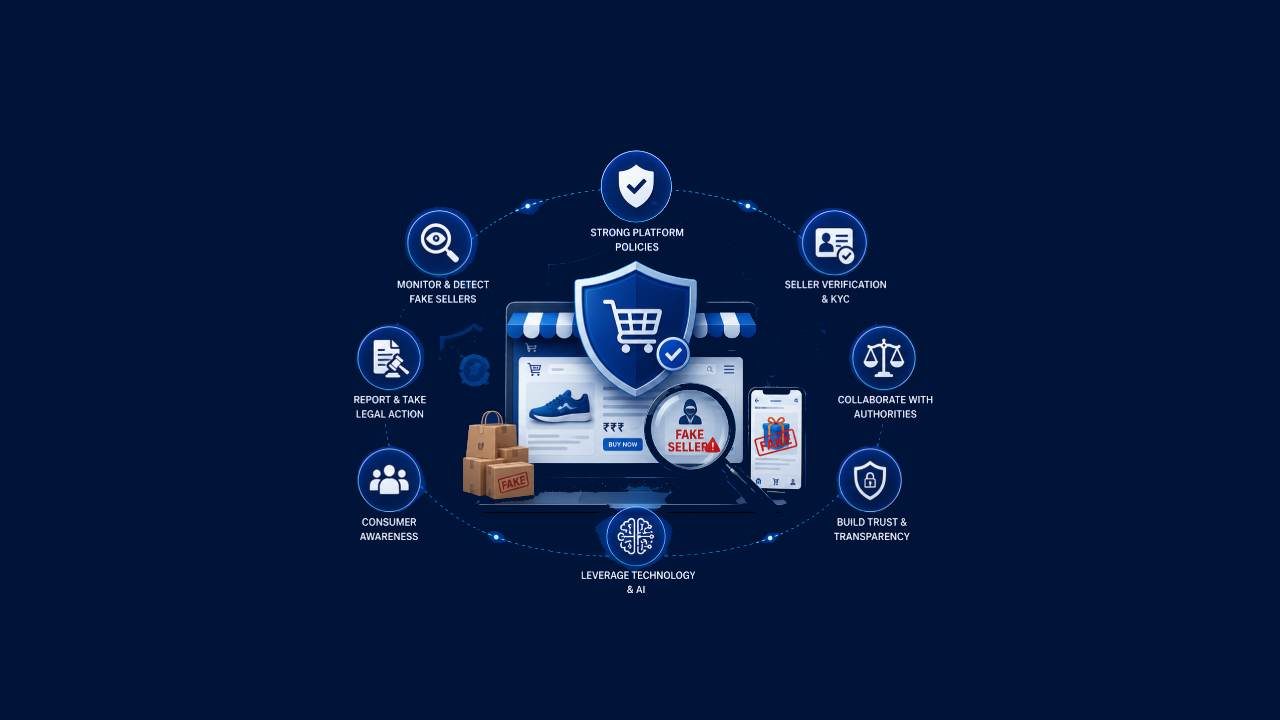
Removing individual listings is only part of the solution. Sustainable protection requires ongoing monitoring and enforcement. Businesses should regularly review online marketplaces, update trademark registrations, educate consumers about genuine products, and implement internal reporting systems. Technology based monitoring tools can help identify suspicious listings quickly and improve response times. Engaging experienced IP protection lawyers can assist businesses in developing comprehensive enforcement programmes tailored to industry specific risks. A proactive approach often proves more effective and cost efficient than responding only after significant infringement has occurred.
Best Practices for Businesses Facing Online Counterfeiting
Successful anti counterfeiting programmes combine legal enforcement with operational vigilance. Businesses should maintain updated intellectual property portfolios, monitor digital channels consistently, preserve evidence carefully, respond to infringement promptly, and educate customers regarding authorised sales channels. Strong enforcement not only protects revenue but also reinforces consumer trust and brand credibility. Companies that actively defend their intellectual property are generally better positioned to maintain long term market strength.
Conclusion
The rise of digital commerce has made online counterfeiting in India one of the most pressing challenges facing modern businesses. Counterfeit sellers exploit ecommerce platforms to reach consumers quickly, often causing significant commercial and reputational damage. Fortunately, Indian law provides strong remedies through trademark enforcement, civil litigation, criminal action, customs protection, and marketplace complaint procedures. Businesses that act swiftly, monitor online activity regularly, and implement comprehensive brand protection strategies can significantly reduce the impact of counterfeit sales. Protecting intellectual property in the digital era requires continuous vigilance, strategic enforcement, and a commitment to preserving consumer trust.
Frequently Asked Questions (FAQs)
What is online counterfeiting in India?
Online counterfeiting refers to the sale, advertisement, or distribution of counterfeit products through ecommerce platforms, websites, social media channels, or other digital marketplaces.
How can I report counterfeit products on ecommerce platforms?
Most platforms provide intellectual property complaint mechanisms allowing trademark owners to submit evidence and request removal of infringing listings.
Can trademark owners take legal action against online counterfeit sellers?
Yes. Trademark owners may pursue civil litigation, criminal complaints, cease and desist notices, and platform based enforcement measures.
What evidence is needed to prove online counterfeiting?
Evidence may include screenshots, seller details, product listings, counterfeit product samples, trademark registration certificates, invoices, and marketing materials.
Can counterfeit sellers face criminal penalties in India?
Yes. Counterfeit activities may result in investigations, seizures, fines, and criminal prosecution under applicable laws.