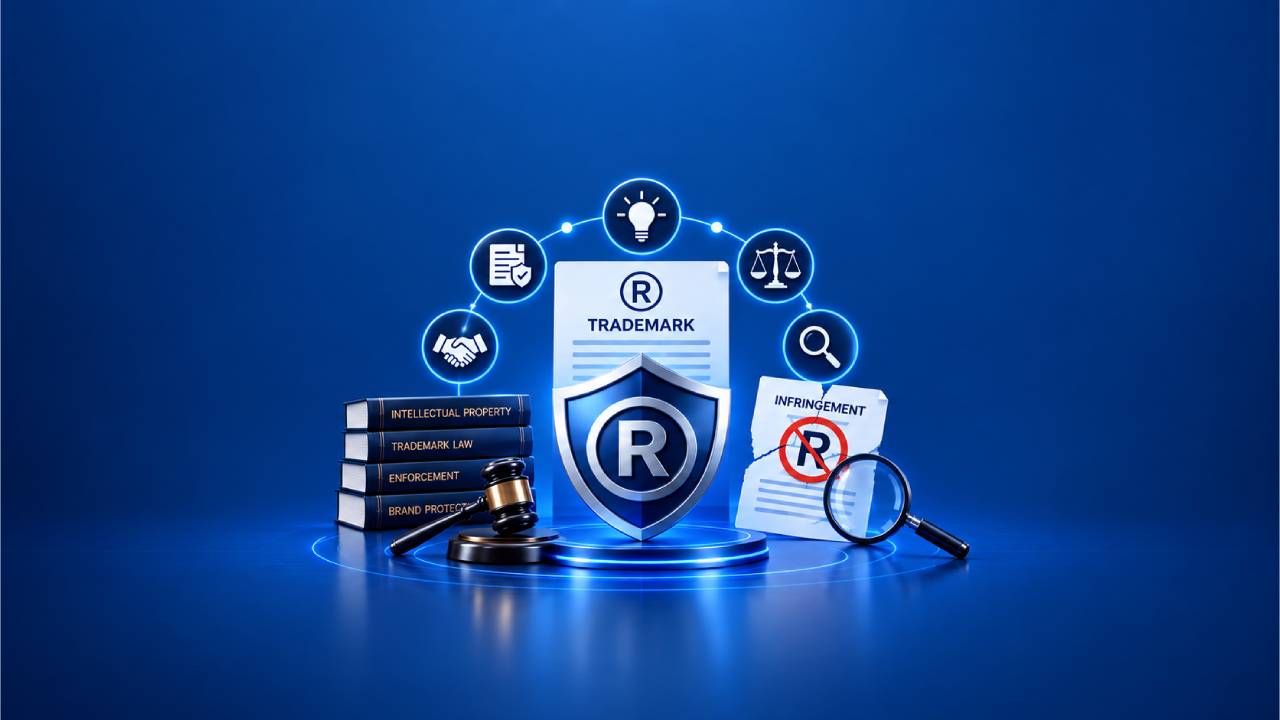

Counterfeiting continues to evolve into a significant commercial and legal challenge for businesses across every industry. From luxury goods and pharmaceuticals to electronics and consumer products, counterfeit goods damage brand reputation, reduce revenue, weaken customer confidence, and create serious safety concerns. Developing a robust Counterfeit Compliance programme has become an essential part of modern business risk management. Organisations with structured compliance systems are better equipped to prevent intellectual property infringement, respond quickly to violations, and strengthen enforcement actions when necessary.
An effective compliance programme is not limited to legal protection alone. It combines internal policies, employee awareness, supplier management, technology, market monitoring, and regulatory cooperation to create a comprehensive framework for protecting brands from counterfeit activities.
Why Counterfeit Compliance Is Essential for Modern Businesses
An effective Counterfeit Compliance programme helps businesses identify, prevent, and respond to counterfeiting before it causes substantial commercial damage. Many organisations focus on enforcement only after counterfeit products enter the market. However, prevention remains far more effective than reacting after infringement has occurred. Counterfeit products often result in financial losses, customer complaints, product recalls, regulatory investigations, and reputational harm. In sectors such as pharmaceuticals, automotive components, cosmetics, electrical products, and food products, counterfeit goods may also create significant public safety risks. Businesses adopting comprehensive counterfeit compliance measures demonstrate stronger corporate governance, improved operational resilience, and greater protection of intellectual property assets.
Understand Your Counterfeiting Risk
Every compliance programme should begin with a detailed risk assessment. Businesses should identify products most vulnerable to counterfeiting, evaluate high risk markets, examine supply chain vulnerabilities, and assess online sales channels. Understanding where counterfeit products are likely to appear allows organisations to allocate resources more effectively. Risk assessments should also review previous infringement incidents, customer complaints, distributor feedback, and enforcement history. Regular assessments ensure compliance programmes remain relevant as counterfeit methods continue to evolve.
Protect Intellectual Property Rights
A compliance programme cannot succeed without strong intellectual property protection. Businesses should register trademarks, copyrights, patents, and industrial designs wherever appropriate before launching products into domestic or international markets. Maintaining accurate records of registrations, renewals, licensing agreements, and ownership documentation simplifies enforcement when infringement occurs. Businesses should also monitor renewal deadlines to ensure intellectual property rights remain enforceable. Information published by the Office of the Controller General of Patents, Designs and Trade Marks provides valuable guidance on intellectual property registration procedures and legal requirements.
Develop Clear Internal Compliance Policies
Written compliance policies provide consistency across the organisation. Policies should explain how employees identify counterfeit products, report suspicious activities, preserve evidence, cooperate with investigators, and protect confidential business information. A well documented policy creates accountability across departments including procurement, sales, logistics, manufacturing, legal, customer service, and information technology. Management should review policies regularly to reflect changing market conditions and emerging counterfeiting techniques.
Strengthen Supply Chain Controls
Counterfeit products frequently enter legitimate supply chains through unauthorised distributors, third party manufacturers, or fraudulent suppliers. Businesses should conduct thorough supplier due diligence before entering commercial relationships.
Effective supply chain controls include:
- Supplier verification
- Contractual compliance obligations
- Product traceability
- Quality inspections
- Regular supplier audits
- Documentation reviews
- Inventory reconciliation
Businesses should maintain clear procurement procedures to reduce opportunities for counterfeit goods entering legitimate distribution channels.
Introduce Product Authentication Measures
Modern authentication technologies significantly improve counterfeit prevention. Depending on industry requirements, businesses may introduce unique serial numbers, QR codes, holograms, tamper evident packaging, radio frequency identification tags, digital authentication platforms, or blockchain based product verification systems. Authentication measures should balance security, operational efficiency, and customer convenience. Businesses should also educate consumers on how to verify genuine products using official authentication tools.
Monitor Online Marketplaces
Digital commerce has transformed counterfeit distribution. Counterfeit sellers frequently use ecommerce platforms, independent websites, social media platforms, messaging applications, and online advertisements to target consumers. Businesses should establish continuous monitoring programmes covering:
- Ecommerce marketplaces
- Brand websites
- Social media platforms
- Domain registrations
- Mobile applications
- Online advertisements
Early detection enables faster removal requests and reduces customer exposure to counterfeit products.
Train Employees Across the Organisation
Employees play a central role in counterfeit compliance. Training should not be limited to legal departments. Sales teams should recognise suspicious market activity. Customer service representatives should identify counterfeit related complaints. Procurement teams should understand supplier verification procedures. Warehouse personnel should recognise unusual inventory patterns. Marketing teams should understand brand protection responsibilities. Regular training sessions improve organisational awareness and encourage early reporting.
Establish a Reporting and Investigation Process
Employees, distributors, retailers, and consumers should have access to simple reporting channels. Businesses should establish confidential procedures allowing stakeholders to report suspected counterfeit activities without unnecessary delay. Each report should be investigated promptly using documented procedures. Investigation records should include product information, purchase details, photographs, invoices, witness statements, digital evidence, and inspection reports where applicable. Accurate documentation strengthens future enforcement actions.
Preserve Evidence Properly
Successful enforcement depends upon reliable evidence. Businesses should preserve counterfeit product samples, original products, invoices, purchase records, packaging materials, photographs, digital communications, website screenshots, investigation reports, and financial records. Evidence should remain securely stored with documented chain of custody procedures. Businesses should also maintain backups of digital records to prevent accidental loss. Proper evidence preservation improves legal admissibility during litigation.
Cooperate with Government Authorities
Counterfeit compliance programmes become more effective through cooperation with regulatory authorities. Businesses should engage with customs authorities, police agencies, intellectual property offices, and consumer protection regulators whenever infringement is identified. The Central Board of Indirect Taxes and Customs provides information regarding border enforcement measures for intellectual property rights. Businesses importing valuable branded products should understand available customs enforcement mechanisms. Collaboration often results in faster investigations and improved enforcement outcomes.
Conduct Regular Compliance Audits
Compliance programmes require continuous evaluation. Internal audits help organisations identify weaknesses before counterfeiters exploit them. Audits should examine supplier performance, product authentication systems, employee awareness, investigation procedures, online monitoring effectiveness, documentation quality, and enforcement outcomes. Findings should support continuous improvement across the compliance framework. Independent external assessments may provide additional assurance for larger organisations.
Integrate Technology into Compliance
Technology has become an essential component of counterfeit compliance. Businesses increasingly use artificial intelligence, machine learning, image recognition, data analytics, blockchain verification, and automated online monitoring systems to detect suspicious activities. Technology enables organisations to monitor thousands of online listings, identify unusual trading patterns, and detect infringement more efficiently than manual reviews alone. Human expertise remains essential when evaluating investigation results and deciding enforcement strategies.
Build Consumer Awareness
Consumers represent an important line of defence against counterfeit goods. Businesses should educate customers about purchasing only from authorised retailers, verifying authentication features, recognising suspicious pricing, and reporting suspected counterfeit products. Educational campaigns also reinforce brand trust while reducing consumer exposure to counterfeit products. Customer awareness supports broader compliance objectives.
Create an Effective Incident Response Plan
Despite preventive measures, counterfeit incidents may still occur. Businesses should prepare written response plans covering investigation procedures, legal assessment, evidence collection, regulatory reporting, customer communication, product testing, media management, and enforcement actions. Clearly defined responsibilities enable faster responses during infringement investigations. Early action often limits commercial damage and prevents wider market distribution. During complex investigations, businesses often seek guidance from an experienced anti counterfeit lawyer in India to evaluate legal options, preserve evidence, and coordinate enforcement strategies before multiple authorities.
Review the Compliance Programme Regularly
Counterfeiting methods evolve rapidly. Businesses should review compliance programmes annually or whenever significant operational changes occur. Reviews should assess legal developments, technological innovations, emerging counterfeiting trends, enforcement outcomes, and changing market conditions. Continuous improvement ensures programmes remain practical and effective. Towards the implementation stage, many organisations also consult experienced intellectual property lawyers in India to strengthen governance frameworks, review contractual protections, and align compliance programmes with evolving intellectual property laws.
Common Challenges Businesses Should Address
Several challenges frequently affect counterfeit compliance programmes. Organisations may underestimate online risks, rely upon outdated supplier verification procedures, provide limited employee training, delay investigations, or maintain incomplete documentation. Businesses should also avoid treating counterfeit compliance solely as a legal function. Effective programmes require collaboration across procurement, operations, sales, finance, technology, and senior management. A coordinated approach delivers stronger protection.
Conclusion
Counterfeiting presents a complex commercial, legal, and operational risk for businesses of every size. Organisations can no longer depend solely on intellectual property registrations or occasional enforcement actions. A comprehensive Counterfeit Compliance programme creates a proactive framework for identifying risks, strengthening supply chains, improving employee awareness, protecting consumers, and preserving valuable brand assets. Businesses investing in structured compliance programmes are better positioned to prevent infringement, support successful investigations, reduce financial losses, and maintain customer confidence. As counterfeit methods continue to develop, continuous monitoring, regular policy reviews, and close cooperation with enforcement authorities remain essential for long term brand protection.
Frequently Asked Questions (FAQs)
What is Counterfeit Compliance?
Counterfeit Compliance refers to the policies, procedures, and controls businesses implement to prevent, detect, investigate, and respond to counterfeit products while protecting intellectual property rights.
Why is a counterfeit compliance programme important?
A compliance programme helps reduce financial losses, protects brand reputation, improves legal preparedness, strengthens supply chain security, and enhances consumer confidence.
Which industries require counterfeit compliance programmes?
Industries including pharmaceuticals, automotive, electronics, luxury goods, cosmetics, food products, consumer goods, fashion, chemicals, and industrial manufacturing benefit significantly from structured compliance programmes.
How can businesses detect counterfeit products?
Businesses can monitor online marketplaces, inspect supply chains, conduct market investigations, analyse customer complaints, verify suppliers, and use product authentication technologies.
What role does employee training play in counterfeit compliance?
Employee training improves awareness, encourages early reporting, strengthens internal controls, and helps organisations identify suspicious activities before counterfeit products spread through the market.