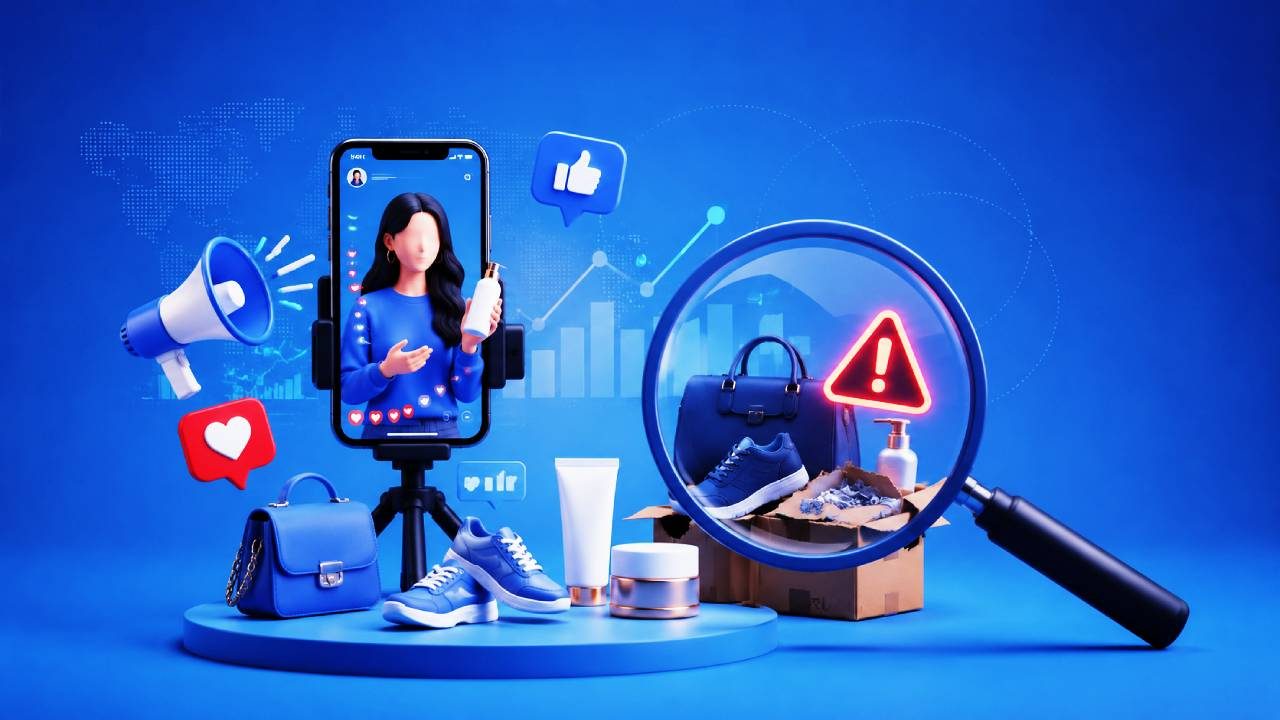
Influencer marketing has become one of the most effective digital marketing strategies for brands across fashion, beauty, electronics, health, lifestyle, and luxury sectors. Consumers often rely on recommendations from creators more than traditional advertising. However, the rise of social media has also created new risks. Counterfeit Products and Influencer Marketing have become closely connected as influencers sometimes unknowingly promote fake products supplied by unauthorised sellers. A single post, video, or livestream can expose thousands of consumers to counterfeit goods, resulting in financial losses, reputational damage, and legal complications for both brands and content creators.
As counterfeiters adopt sophisticated marketing techniques, businesses and influencers must understand their legal responsibilities and take proactive measures to prevent counterfeit products from reaching consumers.
Understanding Counterfeit Products and Influencer Marketing
Counterfeit products are goods deliberately designed to imitate genuine branded products without authorisation from the intellectual property owner. These products often copy trademarks, packaging, logos, product designs, and marketing material to appear authentic. Influencer marketing involves individuals promoting products through social media platforms such as Instagram, YouTube, Facebook, LinkedIn, and emerging creator platforms. Brands collaborate with influencers because audiences often trust personal recommendations. Problems arise when influencers unknowingly receive counterfeit goods from unauthorised sellers or promotional agencies. Since followers generally perceive influencers as credible sources, counterfeit products gain legitimacy through these endorsements. The combination of counterfeit products and influencer marketing has become a growing concern for businesses seeking to protect their intellectual property and consumer confidence.
Why Counterfeiters Target Influencer Marketing
Social media offers counterfeiters direct access to millions of potential customers at relatively low cost. Instead of investing in traditional advertising, counterfeit sellers approach influencers with attractive collaboration offers. Some provide free products, while others offer generous commissions through affiliate programmes. Influencers with smaller audiences are particularly vulnerable because they may have limited resources to verify supplier authenticity. Even experienced creators can become victims when counterfeiters operate through convincing websites, professional branding, or fake distributor credentials. A single influencer campaign can generate significant consumer interest before counterfeit activity is identified.
How Influencers Unintentionally Promote Counterfeit Products
Many influencers do not intentionally support counterfeit goods. The issue usually arises through inadequate verification.
1. Receiving Products From Unauthorised Sellers
Influencers frequently receive promotional packages from businesses claiming to represent genuine brands. Without proper verification, counterfeit products may be featured in reviews or unboxing videos.
2. Affiliate Marketing Schemes
Some affiliate programmes operate through third party sellers rather than authorised distributors. Influencers promoting these links may unknowingly direct followers to counterfeit marketplaces.
3. Social Commerce Platforms
Modern social media platforms allow direct product purchases through integrated shopping features. Counterfeit sellers increasingly exploit these systems by creating professional looking storefronts using copied branding.
4. Misleading Product Claims
Counterfeit sellers often exaggerate product quality or falsely claim official partnerships with recognised brands. Influencers relying solely on promotional material may unintentionally repeat inaccurate information.
Why Consumers Trust Influencer Recommendations
Influencer marketing succeeds because audiences view creators as authentic and relatable. Unlike conventional advertising, influencer content often appears as personal experience rather than commercial promotion. Product demonstrations, reviews, tutorials, and daily lifestyle content create stronger emotional connections with viewers. This trust becomes problematic when counterfeit goods enter promotional campaigns. Consumers frequently assume products have been personally tested and verified before recommendation. As a result, counterfeit sales increase while legitimate businesses experience reputational harm.
Legal Risks for Influencers
Influencers may face legal consequences if they promote counterfeit goods, even where there was no intention to mislead consumers. Depending on the circumstances, issues may include trademark infringement, passing off, misleading advertising, consumer protection violations, contractual disputes, and regulatory investigations. In India, influencers should also comply with advertising disclosure requirements and consumer protection standards. Guidance issued by the Central Consumer Protection Authority and the Advertising Standards Council of India encourages transparency regarding paid promotions and endorsements. Failure to exercise reasonable diligence may expose influencers to reputational damage alongside legal scrutiny.
Legal Risks for Brands
Counterfeit campaigns involving influencers can significantly affect genuine businesses. Consumers who unknowingly purchase fake products often blame the legitimate brand rather than the counterfeit seller. Brand owners may experience declining customer confidence, increased customer complaints, negative online reviews, and reduced sales. Businesses also incur substantial costs investigating counterfeit networks, issuing legal notices, monitoring digital platforms, and pursuing enforcement actions. Many organisations work closely with an experienced anti counterfeit attorney in India to develop enforcement strategies involving marketplace monitoring, investigations, cease and desist actions, and intellectual property litigation.
The Role of Intellectual Property Rights
Strong intellectual property protection remains essential for combating counterfeit marketing campaigns. Registered trademarks enable businesses to prevent unauthorised use of brand names, logos, packaging, and product identifiers. Copyright protects original photographs, promotional videos, catalogues, advertisements, and digital content frequently copied by counterfeit sellers. Registered designs protect product appearance from imitation. Businesses should actively monitor online platforms for unauthorised use of their intellectual property before counterfeit campaigns gain widespread visibility. Useful guidance on trademark registration and protection is available through the Office of the Controller General of Patents, Designs and Trade Marks, while consumer protection information can be accessed through the Central Consumer Protection Authority.
Due Diligence Every Influencer Should Follow
Influencers should adopt structured verification procedures before accepting brand collaborations. Important steps include:
- Verify whether the seller is an authorised distributor.
- Confirm business registration details.
- Review official brand websites for authorised retailers.
- Request invoices and product authentication documents.
- Avoid promoting unusually discounted luxury products.
- Clearly disclose sponsored partnerships.
- Retain written agreements and communication records.
Simple verification measures can significantly reduce the risk of promoting counterfeit goods.
How Brands Can Reduce Counterfeit Influencer Campaigns
Businesses should take proactive steps to protect their reputation across digital platforms. Developing authorised influencer programmes allows brands to maintain greater oversight of promotional activities. Regular monitoring of social media platforms helps identify counterfeit campaigns quickly. Businesses should educate influencers regarding genuine distribution channels and product authentication methods. Prompt legal enforcement against counterfeit sellers helps reduce ongoing consumer confusion. Many premier intellectual property law firms assist businesses with developing comprehensive anti counterfeiting programmes involving online monitoring, customs enforcement, investigations, litigation, and strategic intellectual property management.
Emerging Challenges Created by Social Commerce
The rapid growth of social commerce has increased counterfeit risks. Live shopping events, short form videos, creator marketplaces, and integrated payment systems make purchasing products almost instantaneous. Counterfeit sellers exploit these features by creating urgency through limited time offers, exclusive discounts, and influencer collaborations. Artificial intelligence has further complicated detection by generating realistic product descriptions, customer reviews, and promotional content. Brands, influencers, and consumers must therefore exercise greater caution before relying solely on digital appearances.
Best Practices for Consumers
Consumers also play an important role in reducing counterfeit trade. Before purchasing products promoted online, buyers should verify authorised retailers, compare pricing with official websites, examine product descriptions carefully, and review seller credentials. Suspiciously low prices often indicate counterfeit goods. Consumers should report suspected counterfeit listings to marketplace operators and relevant authorities to help prevent wider distribution.
Conclusion
Influencer marketing has transformed digital advertising by creating stronger relationships between brands and consumers. However, growing connections between counterfeit products and influencer marketing demonstrate how easily counterfeiters can exploit public trust. Influencers should perform careful due diligence before promoting products. Businesses must actively monitor digital platforms, strengthen intellectual property protection, and educate marketing partners regarding counterfeit risks. A coordinated approach involving legal compliance, consumer awareness, effective monitoring, and prompt enforcement remains the most effective way to reduce counterfeit activity and preserve long term brand value.
Frequently Asked Questions (FAQs)
What is the connection between counterfeit products and influencer marketing?
Counterfeit sellers often use influencer promotions to make fake products appear genuine. Influencers may unknowingly promote counterfeit goods supplied by unauthorised sellers.
Can influencers be held liable for promoting counterfeit products?
Yes. Depending on the circumstances, influencers may face legal action if they promote counterfeit goods, particularly where they fail to exercise reasonable care or make misleading claims.
How can influencers verify product authenticity?
Influencers should confirm authorised distributors, request supporting documentation, review official brand websites, and verify supplier credentials before accepting collaborations.
Why do counterfeiters target influencers?
Influencers have established trust with their audiences. A single recommendation can rapidly increase visibility and sales of counterfeit products.
How do counterfeit products affect genuine brands?
Counterfeit goods reduce sales, damage brand reputation, increase customer complaints, weaken consumer trust, and create significant enforcement costs.