The rise of digital commerce has created significant opportunities for businesses, but it has also increased the circulation of fake products across online marketplaces. Many businesses now struggle to identify counterfeit products online before these products damage consumer trust and reduce brand value. Counterfeit listings often appear genuine, making it difficult for businesses and customers to distinguish between authentic and fake goods. As online shopping continues to expand in India and globally, companies must adopt proactive strategies to protect their intellectual property rights, maintain customer confidence, and prevent long term reputational harm.
Counterfeit products affect businesses across industries including fashion, electronics, pharmaceuticals, cosmetics, luxury goods, and automotive parts. Online sellers frequently misuse trademarks, copyrighted images, packaging designs, and product descriptions to deceive buyers. Understanding how counterfeit products operate in digital marketplaces is essential for effective brand protection.
Why Online Counterfeiting Has Increased Rapidly
Online marketplaces allow sellers to reach consumers quickly across multiple regions. While this creates convenience for genuine businesses, it also gives counterfeiters easier access to large customer bases. Anonymous seller profiles, low entry barriers, and rapid product listings have contributed to the growth of fake product sales.
Social media platforms and independent ecommerce websites have further accelerated online counterfeiting. Counterfeit sellers often advertise heavily discounted products to attract buyers who may not recognise warning signs. Many fake listings disappear after complaints and reappear under different seller identities.
The increasing popularity of cross border trade has also made enforcement more challenging. Counterfeit products are often shipped internationally through fragmented supply chains, making tracking and seizure more difficult for enforcement authorities.
Understanding the Risks of Counterfeit Products
Counterfeit goods create more than financial losses. They directly affect customer trust, market reputation, and business credibility. A single poor customer experience involving fake products may discourage future purchases from the original brand. In sectors such as pharmaceuticals, electronics, and automotive components, counterfeit products may create serious health and safety risks. Consumers often blame the genuine brand when counterfeit products fail or cause harm.
Counterfeit activities also reduce the value of intellectual property investments. Businesses spend significant resources developing trademarks, product packaging, marketing campaigns, and customer loyalty. Fake sellers exploit these investments without bearing operational or compliance costs. For growing businesses, online counterfeiting may also affect investor confidence and commercial partnerships. Companies with weak brand protection systems may struggle to maintain long term market stability.
How to Identify Counterfeit Products Online
1. Examine Seller Information Carefully
One of the earliest signs of counterfeit activity is suspicious seller information. Fake sellers often use incomplete business details, temporary accounts, or inconsistent contact information. Businesses should regularly monitor seller profiles across ecommerce platforms to identify unusual activity. Unverified sellers with limited transaction history may require closer investigation. Frequent account changes and missing company details are also common indicators of counterfeit operations.
2. Monitor Pricing Patterns
Unusually low prices often indicate counterfeit goods. Counterfeit sellers attract customers through heavy discounts which appear unrealistic compared to standard market pricing. Brands should monitor online marketplaces for pricing inconsistencies. Significant underpricing may indicate unauthorised sellers distributing fake products or grey market goods.
3. Review Product Images and Descriptions
Counterfeit listings frequently use copied images and misleading product descriptions. Poor image quality, incorrect logos, spelling errors, and inconsistent branding may indicate fake listings. Businesses should compare suspicious listings with official product images and descriptions. Even minor variations in packaging design, colour combinations, or trademarks may reveal counterfeit activity.
4. Analyse Customer Reviews
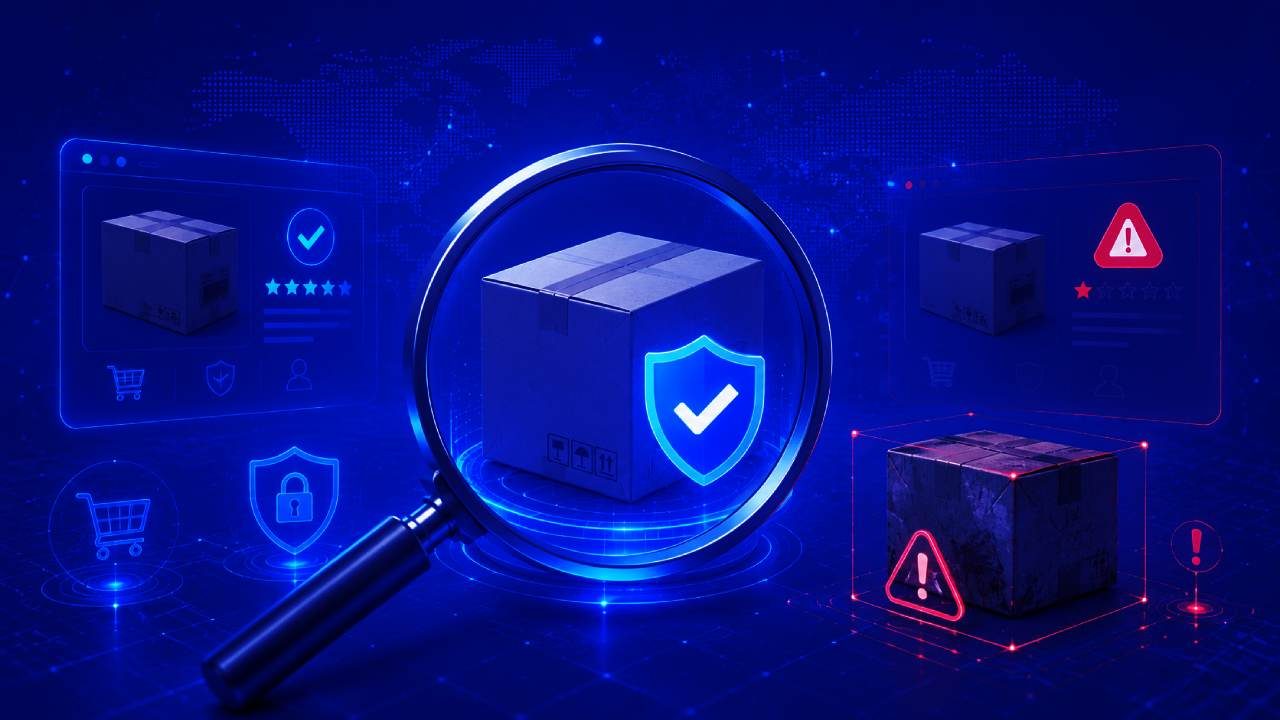
Customer feedback provides valuable insights into counterfeit products. Complaints regarding poor quality, damaged packaging, missing features, or product failure often signal fake goods. Patterns of negative reviews across multiple listings should not be ignored. Businesses should actively track customer feedback to identify counterfeit distribution channels early.
5. Watch for Unauthorised Marketplace Listings
Many counterfeit sellers operate without authorisation from the brand owner. Monitoring online platforms for unauthorised product listings helps businesses detect infringement before significant damage occurs. Brands should create regular monitoring systems for ecommerce platforms, social media marketplaces, and independent websites. Early detection improves enforcement success and reduces customer confusion.
Role of Technology in Detecting Counterfeit Products
Technology has become an important tool in anti counterfeiting efforts. Businesses increasingly use automated systems to monitor digital marketplaces and identify suspicious listings. Artificial intelligence tools can scan online platforms for trademark misuse, copied images, and unusual pricing patterns. These systems help businesses identify counterfeit listings more efficiently across multiple websites.
Product authentication technologies also support counterfeit prevention. QR codes, serial numbers, RFID tracking, holograms, and blockchain systems help consumers verify product authenticity. Some companies use digital watermarking and supply chain tracking systems to improve transparency and reduce unauthorised distribution. Advanced analytics also help businesses identify emerging counterfeit trends and high risk marketplaces. Many businesses seek guidance from experienced anti counterfeiting law firms in India to strengthen enforcement strategies and manage online brand protection effectively.
Legal Protection Against Online Counterfeiting
India provides several legal remedies against counterfeit products and intellectual property infringement. Trademark owners may initiate civil and criminal actions against counterfeit sellers under Indian intellectual property laws. The Trade Marks Act, 1999 allows businesses to seek injunctions, damages, and seizure of counterfeit goods. Courts may also issue John Doe orders against unknown infringers involved in online counterfeiting activities.
Businesses can report trademark infringement to ecommerce platforms and request removal of counterfeit listings. Most major platforms now maintain intellectual property protection mechanisms for rights holders. Customs authorities also assist in preventing counterfeit imports. Rights holders may record trademarks with Indian Customs to enable detection of suspicious shipments entering the country. Businesses may refer to the Office of the Controller General of Patents, Designs and Trade Marks for official information regarding intellectual property registration and enforcement procedures. Guidance regarding customs protection may also be accessed through the Central Board of Indirect Taxes and Customs
Importance of Brand Monitoring and Consumer Awareness
Continuous monitoring is essential for reducing counterfeit risks online. Businesses should not rely solely on reactive enforcement after fake products enter the market. Regular marketplace audits help businesses detect suspicious listings early. Monitoring social media platforms, ecommerce websites, and reseller networks improves enforcement efficiency.
Consumer education also plays a significant role in reducing counterfeit purchases. Businesses should provide clear information regarding authorised sellers, official websites, and authentication methods. Transparent communication helps customers recognise genuine products more easily. Educational campaigns also strengthen consumer confidence and brand loyalty. An experienced IP law firm in India can assist businesses in developing enforcement strategies, issuing legal notices, and coordinating marketplace takedown procedures.
Common Challenges in Online Counterfeit Enforcement
Despite stronger legal frameworks, businesses continue to face enforcement challenges in digital marketplaces. Counterfeit sellers frequently change seller names and create new accounts after takedown actions. Cross border transactions further complicate enforcement efforts. Fake products may originate from multiple jurisdictions, making investigation and legal action more difficult.
Some counterfeit sellers also use encrypted communication channels and anonymous payment systems to avoid detection. This increases the need for specialised investigations and technological monitoring. Smaller businesses often face resource limitations while combating counterfeit activity. Continuous monitoring, legal action, and enforcement coordination may require significant investment over time.
Best Practices for Businesses to Prevent Online Counterfeiting
Businesses should begin by securing trademark registrations and intellectual property protection in all major operating markets. Without proper registration, enforcement becomes more difficult. Online brand monitoring should become a regular business activity rather than an occasional exercise. Businesses should maintain internal reporting systems for suspicious listings and customer complaints.
Working closely with ecommerce platforms improves response times for counterfeit removal requests. Companies should also maintain records of authorised distributors and sellers to reduce consumer confusion. Strong packaging authentication measures help consumers identify genuine products more effectively. Tamper resistant packaging, serialisation systems, and digital verification tools improve trust and supply chain security. Employee training is equally important. Marketing teams, customer support staff, and distributors should understand how counterfeit products affect business operations and consumer safety.
Conclusion
Online counterfeiting continues to evolve alongside digital commerce. Businesses across industries must now adopt proactive strategies to identify counterfeit products online before significant reputational and financial damage occurs.
Early detection, strong intellectual property protection, technological monitoring, and consumer awareness remain essential components of modern brand protection strategies. Companies investing in preventive measures today are better prepared to maintain customer trust and long term market value.
As ecommerce continues to grow in India, businesses must recognise counterfeit prevention as an ongoing commercial priority rather than a one time legal concern. A comprehensive approach combining monitoring, enforcement, technology, and education can significantly reduce counterfeit risks and strengthen brand integrity in competitive markets.
Frequently Asked Question (FAQs)
What are counterfeit products online?
Counterfeit products online are fake goods sold through ecommerce platforms, social media marketplaces, or independent websites using unauthorised trademarks, branding, or packaging.
Why is it important to identify counterfeit products online?
Identifying counterfeit products online helps businesses protect brand reputation, maintain customer trust, and reduce financial losses caused by fake goods.
How can customers identify fake products online?
Customers should check seller details, pricing, product reviews, packaging images, and authenticity verification methods before making purchases.
Which industries are most affected by online counterfeiting?
Fashion, electronics, cosmetics, pharmaceuticals, luxury goods, and automotive sectors are among the industries most affected by counterfeit products.
Can counterfeit listings be removed from ecommerce websites?
Yes. Businesses may report trademark infringement and request removal of counterfeit listings through marketplace intellectual property protection systems.