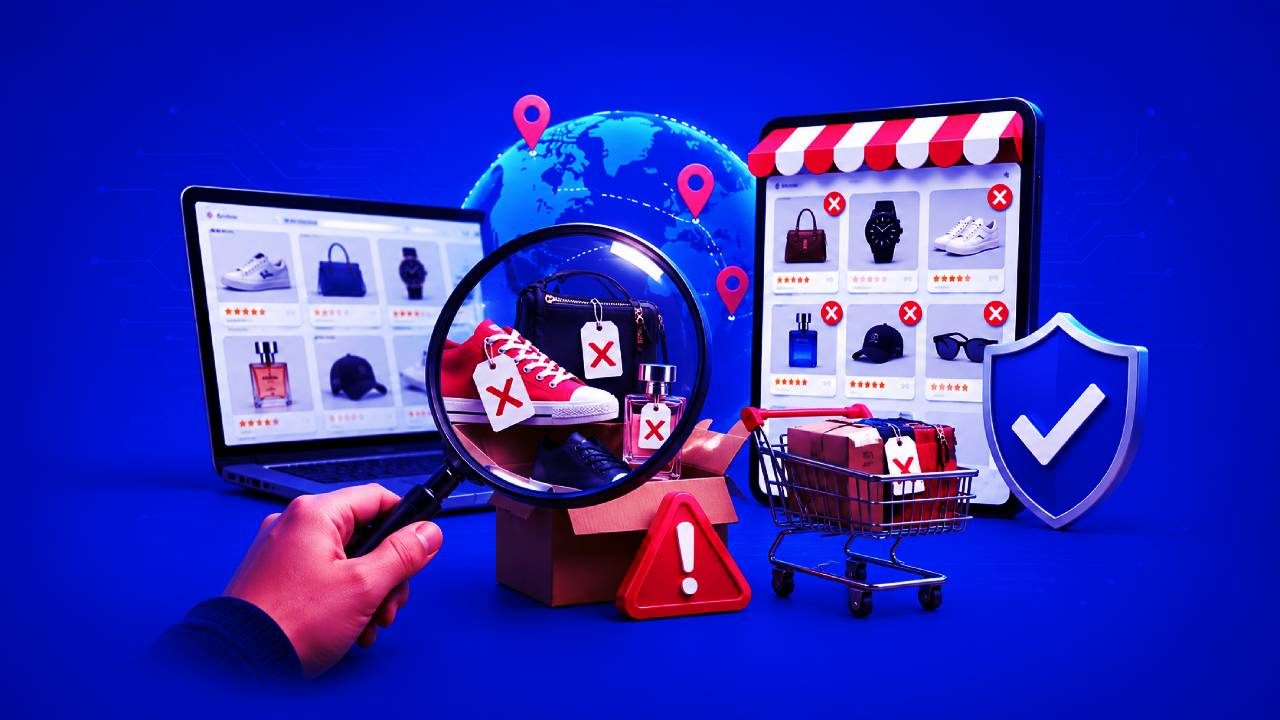
The growing presence of fake products on online marketplaces has become a serious concern for businesses across India and global markets. Ecommerce growth has created new opportunities for brands, but it has also allowed counterfeit sellers to distribute fake goods more easily. From fashion and electronics to cosmetics and pharmaceuticals, counterfeit listings now appear across multiple digital platforms. Businesses must act quickly when fake products appear online because delayed action can damage brand reputation, reduce customer trust, and create long term financial losses.
Consumers often struggle to distinguish genuine products from counterfeit goods online. Fake sellers frequently copy product images, trademarks, packaging designs, and descriptions to mislead buyers. As online shopping continues to expand, businesses need effective strategies to detect counterfeit listings, remove fake products, and strengthen intellectual property protection.
Understanding the Impact of Fake Products on Online Marketplaces
Counterfeit products affect businesses in several ways. Financial losses remain one of the most visible consequences, but reputational harm is often more damaging over time. Customers who unknowingly purchase fake products may associate poor quality with the genuine brand. Counterfeit products can also create serious safety concerns. Fake medicines, cosmetics, electronic devices, and automotive parts may fail quality standards and cause injuries or health risks. Consumers rarely realise they purchased counterfeit goods until damage occurs.
The online environment makes enforcement more difficult because counterfeit sellers can create anonymous accounts and operate across multiple marketplaces simultaneously. Sellers often remove listings after complaints and return using different identities. Businesses therefore require a structured response strategy to protect intellectual property rights and maintain consumer confidence.
Why Online Counterfeiting Is Increasing
The rapid expansion of ecommerce platforms has increased digital product visibility and customer reach. Unfortunately, counterfeit sellers benefit from the same accessibility. Low setup costs and minimal verification requirements make online marketplaces attractive for counterfeit operations. Social media advertising has further accelerated counterfeit product sales. Fake sellers use sponsored advertisements and influencer style promotions to attract buyers. Many consumers purchase products without verifying seller authenticity.
Cross border trade also contributes to online counterfeiting growth. Counterfeit goods are often imported through fragmented supply chains, making tracking and enforcement more challenging. The increasing popularity of online shopping means businesses can no longer treat counterfeit protection as an occasional legal issue. Continuous marketplace monitoring is now essential for brand protection.
How to Detect Fake Products on Online Marketplaces?
1. Monitor Marketplace Listings Regularly
Businesses should actively monitor ecommerce platforms for suspicious product listings. Regular marketplace reviews help identify counterfeit activity before widespread damage occurs.
Monitoring should include product pricing, seller details, customer reviews, and listing descriptions. Brands should also track unauthorised use of logos, product images, and packaging designs.
Automated monitoring systems powered by artificial intelligence can improve detection speed across multiple platforms. These tools identify trademark misuse, copied content, and unusual pricing patterns more efficiently.
2. Analyse Seller Behaviour
Counterfeit sellers often display warning signs which businesses should investigate carefully. Incomplete seller profiles, inconsistent contact details, temporary accounts, and unusually high discount offers may indicate counterfeit activity. Repeated seller account changes also suggest attempts to avoid enforcement action. Businesses should maintain records of suspicious seller profiles for future investigations.
3. Review Consumer Complaints
Customer feedback provides valuable evidence regarding counterfeit goods. Complaints about poor quality, damaged packaging, missing features, or product failure often reveal fake product distribution. Businesses should encourage consumers to report suspicious purchases and maintain clear communication channels for authenticity concerns.
4. Verify Product Packaging and Images
Counterfeit listings frequently use copied images and inaccurate product descriptions. Businesses should compare suspicious listings against official product specifications and branding materials. Even small differences in logo placement, colours, packaging fonts, or product design may indicate counterfeit products.
Immediate Steps to Take After Detecting Counterfeit Listings
5. Collect Evidence
Businesses should document counterfeit listings immediately. Screenshots, seller details, product descriptions, pricing information, customer reviews, and transaction records may later support enforcement actions. Evidence collection should occur before counterfeit sellers remove listings or alter product information.
6. Report Listings to Ecommerce Platforms
Most online marketplaces provide intellectual property protection systems for rights holders. Businesses may submit trademark infringement complaints and request removal of counterfeit listings. Clear evidence and trademark registration details improve the effectiveness of takedown requests. Some platforms also offer brand protection programmes with enhanced monitoring tools.
7. Send Legal Notices
Businesses may issue cease and desist notices to counterfeit sellers demanding immediate removal of infringing products. Legal notices often create additional pressure on sellers and help establish enforcement records. An experienced anti counterfeit attorney in India can assist businesses in preparing legal notices, coordinating investigations, and initiating enforcement action against counterfeit networks.
8. Conduct Marketplace Investigations
Professional investigations help identify counterfeit supply chains and seller networks. Investigators may trace distribution channels, identify warehouses, and collect evidence for civil or criminal proceedings. Online investigations often reveal multiple linked seller accounts operating across different platforms.
Legal Remedies Available in India
India provides several legal protections against counterfeit products and trademark infringement. Businesses can initiate civil and criminal proceedings against counterfeit sellers under intellectual property laws. The Trade Marks Act, 1999 allows trademark owners to seek injunctions, damages, seizure orders, and destruction of counterfeit goods. Indian courts also issue John Doe orders against unidentified counterfeit operators involved in online sales.
Criminal remedies may apply in serious counterfeit cases involving fraud or large scale infringement activities. Law enforcement authorities can conduct raids and seize counterfeit inventory.
Businesses may also record trademarks with Indian Customs authorities to prevent counterfeit imports entering the country. Customs officials can detain suspicious shipments at ports and airports. For official guidance regarding trademark registration and intellectual property protection, businesses may refer to the Office of the Controller General of Patents, Designs and Trade Marks. Information regarding customs enforcement measures is available through the Central Board of Indirect Taxes and Customs.
Importance of Technology in Counterfeit Prevention
Technology now plays a major role in protecting brands from counterfeit activity online. Many companies use automated brand monitoring systems to detect suspicious listings in real time.
Artificial intelligence tools can identify trademark misuse, copied images, and unauthorised product descriptions across ecommerce platforms and social media channels. Product authentication systems also improve consumer confidence. QR codes, serial numbers, holograms, RFID tags, and blockchain tracking help customers verify product authenticity.
Supply chain transparency systems further reduce opportunities for counterfeit goods to enter legitimate distribution channels.
Building Long Term Brand Protection Strategies
Businesses should focus on preventive measures rather than relying solely on reactive enforcement. A strong brand protection strategy combines legal, operational, and technological safeguards. Trademark registration remains one of the most important steps for enforcement. Businesses should ensure trademarks are registered across relevant product categories and jurisdictions.
Marketplace monitoring should become a regular business function. Dedicated internal teams or external specialists can help detect counterfeit activity early. Consumer education also improves counterfeit prevention. Businesses should inform customers about authorised sellers, official websites, and product authentication methods. Working with experienced legal professionals and investigators strengthens enforcement capabilities. Many businesses consult top IP law firms in India for intellectual property management, marketplace enforcement, and counterfeit litigation support.
Challenges Businesses Face While Removing Counterfeit Products
Despite stronger enforcement systems, counterfeit sellers continue adapting their operations. Sellers often create multiple accounts, use fake business identities, and move between marketplaces after takedown actions. Cross border counterfeit trade also complicates investigations and legal proceedings. Products may be manufactured in one jurisdiction, sold through another, and shipped globally through fragmented supply chains. Small and medium sized businesses may face additional resource constraints while managing continuous enforcement efforts. Marketplace monitoring, investigations, and legal actions often require long term investment. However, businesses which delay enforcement usually face greater reputational and financial harm over time.
The Role of Consumer Trust in Brand Protection
Brand reputation depends heavily on customer trust. Consumers expect genuine products, secure transactions, and consistent product quality. Counterfeit products weaken this trust and affect customer loyalty. Businesses which respond quickly to counterfeit threats demonstrate accountability and commitment to consumer safety. Transparent communication regarding fake product risks also improves public confidence. Strong customer relationships help businesses receive early reports regarding suspicious sellers and counterfeit listings. Consumers often become valuable partners in brand protection efforts.
Conclusion
The rise of fake products on online marketplaces has transformed counterfeit protection into a critical business priority. Ecommerce growth offers substantial opportunities for brands, but it also increases exposure to counterfeit risks and unauthorised sellers. Businesses must respond quickly after detecting counterfeit listings to reduce reputational damage and protect customer trust. Effective action includes marketplace monitoring, evidence collection, legal enforcement, technological protection, and consumer education. A proactive strategy helps businesses reduce long term risks and strengthen intellectual property protection in competitive digital markets. As online commerce continues evolving, companies investing in strong counterfeit prevention systems will remain better positioned to protect brand value and maintain consumer confidence.
Frequently Asked Question (FAQs)
What are fake products on online marketplaces?
Fake products on online marketplaces are counterfeit goods sold through ecommerce websites or social media platforms using unauthorised trademarks, branding, or packaging.
How do counterfeit sellers operate online?
Counterfeit sellers often use fake seller profiles, copied product images, misleading descriptions, and discounted pricing to attract customers.
Why are counterfeit products harmful for brands?
Counterfeit products damage brand reputation, reduce customer trust, create financial losses, and may expose consumers to safety risks.
How can businesses identify counterfeit listings online?
Businesses can monitor pricing, seller profiles, customer reviews, packaging images, and trademark usage across online marketplaces.
What legal action can businesses take against counterfeit sellers in India?
Businesses may seek injunctions, damages, product seizure orders, criminal enforcement, and customs protection under Indian intellectual property laws.