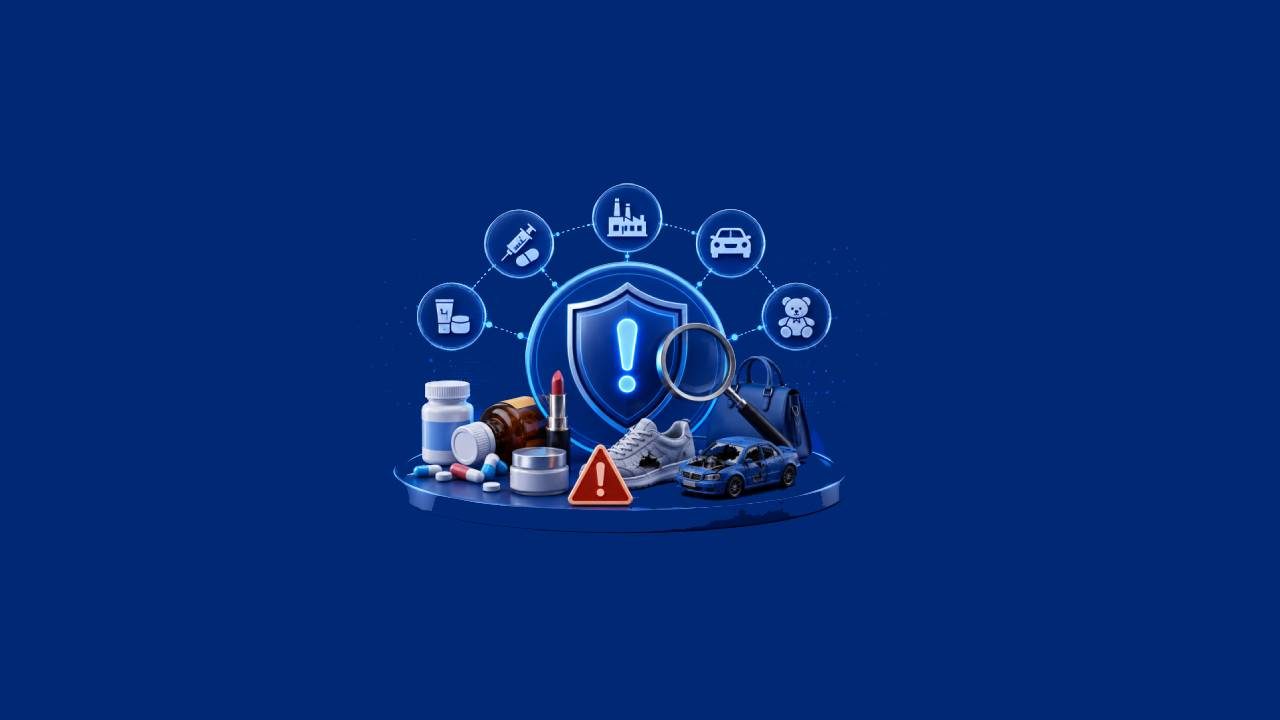
Counterfeit products and consumer safety have become closely linked as fake goods continue to enter legitimate supply chains and online marketplaces across the world. Counterfeit products no longer affect only luxury brands. Today, fake medicines, automotive components, electronics, cosmetics, food products, and industrial equipment create serious risks for consumers, businesses, and public health. Many counterfeit products appear identical to genuine goods, making it difficult for buyers to identify the difference until harm occurs.
The growing sophistication of counterfeit manufacturing has made product safety one of the biggest concerns for regulators, intellectual property owners, and consumers. Businesses face financial losses and reputational damage, while consumers may suffer injuries, illness, or even loss of life after using substandard products. Understanding how counterfeit goods impact high risk industries is essential for protecting both brands and the public.
Understanding Counterfeit Products and Consumer Safety
Counterfeit products are unauthorised copies designed to imitate genuine branded goods. They often reproduce trademarks, packaging, labels, and product designs without permission. While many consumers associate counterfeits with fashion accessories or luxury items, counterfeiters increasingly target products where safety and quality are critical. Counterfeit products and consumer safety are directly connected because fake products rarely undergo quality testing, regulatory approval, or compliance with safety standards. Manufacturers of counterfeit goods typically use inferior raw materials, poor production methods, and misleading packaging to maximise profits while ignoring consumer welfare. Government agencies, including the Central Board of Indirect Taxes and Customs and the Central Drugs Standard Control Organisation, regularly issue guidance and undertake enforcement measures to combat counterfeit products entering the Indian market.
Why Counterfeit Products Continue to Grow
Several factors have contributed to the rapid expansion of counterfeit trade across industries. Growing ecommerce platforms have increased consumer access to products from multiple sellers. Criminal networks exploit online marketplaces by creating fake listings, misleading advertisements, and counterfeit websites. Global supply chains have become increasingly complex. Products often pass through multiple intermediaries before reaching consumers, creating opportunities for counterfeit goods to enter legitimate distribution channels. High consumer demand for lower priced alternatives also encourages counterfeit trade. Many buyers unknowingly purchase fake products because they appear genuine or are sold through seemingly legitimate channels. Organised criminal networks have also adopted advanced manufacturing technologies, making counterfeit goods increasingly difficult to distinguish from authentic products.
High Risk Industries Most Affected by Counterfeit Products
1. Pharmaceutical Industry
Counterfeit medicines present one of the greatest threats to public health. Fake medicines may contain incorrect ingredients, insufficient active substances, dangerous contaminants, or no therapeutic ingredients at all. Consumers relying on counterfeit medicines may experience treatment failure, serious side effects, worsening medical conditions, or fatal outcomes. Counterfeit antibiotics also contribute to antimicrobial resistance by providing ineffective treatment. Healthcare providers, pharmaceutical manufacturers, and regulatory authorities continue to strengthen supply chain monitoring and product authentication measures to reduce these risks.
2. Automotive Industry
Counterfeit automotive parts create significant road safety hazards. Fake brake pads, airbags, tyres, bearings, filters, and steering components frequently fail to meet engineering specifications. Component failure can result in serious road accidents, vehicle breakdowns, and increased maintenance costs. Since many counterfeit parts closely resemble genuine products, vehicle owners may remain unaware until an accident occurs. Manufacturers increasingly use product serialisation and authentication technologies to help consumers verify genuine replacement parts.
3. Electrical and Electronic Products
Counterfeit electrical goods pose substantial fire and electrical safety risks. Fake chargers, batteries, extension cables, switches, adapters, and appliances often lack proper insulation and safety certification. Poor quality wiring and substandard materials increase the likelihood of electrical shocks, overheating, fires, and equipment damage. Businesses also face operational disruption when counterfeit electrical components fail within commercial systems. Consumers should purchase electrical products from authorised dealers and verify certification marks before use.
4. Cosmetics and Personal Care Products
Counterfeit cosmetics frequently contain harmful chemicals, heavy metals, bacteria, or prohibited ingredients. These products may cause allergic reactions, skin irritation, infections, eye injuries, or long term health complications. Counterfeit perfumes, skincare products, hair treatments, and makeup often imitate premium brands using sophisticated packaging, making visual identification difficult. Consumers should exercise caution when purchasing heavily discounted cosmetics from unknown sellers.
5. Food and Beverage Industry
Counterfeit food products create serious health concerns. Fake edible oils, spices, packaged foods, beverages, nutritional supplements, and infant products may contain contaminated or substituted ingredients. Improper manufacturing conditions increase the risk of bacterial contamination, food poisoning, and long term health effects. Food fraud also undermines consumer confidence and damages genuine manufacturers. Regulatory inspections and laboratory testing remain essential for protecting food safety.
6. Industrial Equipment and Machinery
Counterfeit industrial components affect sectors including manufacturing, construction, aviation, and energy. Fake bearings, valves, fasteners, seals, electrical components, and safety equipment may fail during operation. Industrial failures can result in workplace accidents, production downtime, environmental damage, and substantial financial losses. Businesses increasingly implement supplier verification programmes to minimise procurement risks.
Consumer Safety Risks Created by Counterfeit Products
Counterfeit goods expose consumers to multiple categories of harm. Physical injuries remain one of the most immediate risks. Defective products may explode, overheat, collapse, leak hazardous substances, or malfunction unexpectedly. Health risks arise from counterfeit medicines, cosmetics, food products, and healthcare devices. Consumers may experience poisoning, infections, allergic reactions, or ineffective medical treatment. Financial losses occur when counterfeit goods fail prematurely or require replacement. Consumers often have no warranty protection or manufacturer support. Identity theft and fraud have also become growing concerns where counterfeit products are sold through fake ecommerce websites designed to collect payment information.
Impact on Businesses and Brand Owners
Counterfeiting extends beyond consumer harm. Businesses experience declining sales, reputational damage, increased enforcement costs, and weakened consumer trust. Even when consumers unknowingly purchase counterfeit goods, negative experiences are frequently associated with the legitimate brand. This can reduce customer loyalty and harm long term market value. Businesses must adopt proactive brand protection strategies including trademark registration, supply chain monitoring, customs recordation, online marketplace enforcement, product authentication technologies, and regular investigations. Seeking advice from an experienced anti counterfeit lawyer in India helps businesses develop comprehensive enforcement strategies tailored to their industry and risk profile.
Legal Framework Addressing Counterfeit Products in India
India has established several legal mechanisms to address counterfeit goods and protect consumer safety. The Trade Marks Act, 1999 provides civil and criminal remedies against trademark infringement and counterfeiting. The Copyright Act, 1957 protects original artistic works frequently copied on counterfeit packaging and labels. The Consumer Protection Act, 2019 strengthens consumer rights against unfair trade practices and defective products. The Drugs and Cosmetics Act, 1940 regulates pharmaceutical and cosmetic safety while imposing penalties for manufacturing and selling spurious products. The Food Safety and Standards Act, 2006 addresses adulterated and unsafe food products through regulatory enforcement. Indian Customs authorities also assist rights holders by preventing the import of infringing goods through border enforcement mechanisms. Businesses often work closely with experienced IPR Lawyers in India to enforce intellectual property rights through civil litigation, criminal complaints, customs actions, and online enforcement initiatives.
How Businesses Can Reduce Counterfeit Risks
An effective anti counterfeiting programme combines legal protection, technology, consumer education, and enforcement. Businesses should register trademarks and other intellectual property rights at the earliest opportunity. Supply chain audits help identify vulnerabilities before counterfeit products enter distribution channels. Modern authentication technologies such as QR codes, serial numbers, holograms, RFID systems, and blockchain based product tracking improve product verification. Regular market investigations and online monitoring allow businesses to identify counterfeit sellers before widespread distribution occurs. Collaboration with customs authorities, law enforcement agencies, distributors, and ecommerce platforms also strengthens enforcement efforts. Consumer awareness campaigns encourage customers to purchase products from authorised retailers and report suspected counterfeit goods.
What Consumers Can Do to Stay Safe
Consumers play an important role in reducing counterfeit trade. Before making a purchase, buyers should verify seller credibility, inspect packaging carefully, compare pricing with authorised retailers, and examine product quality. Products sold at unusually low prices should be approached with caution, particularly where safety is involved. Consumers should retain purchase invoices and report suspected counterfeit products to the manufacturer or relevant regulatory authorities. Purchasing directly from authorised dealers significantly reduces the likelihood of receiving counterfeit goods.
Conclusion
Counterfeit products represent far more than an intellectual property issue. They have become a significant public safety concern affecting healthcare, transportation, food safety, industrial operations, and consumer confidence. As counterfeiters become increasingly sophisticated, businesses and consumers must remain vigilant. Strong intellectual property protection, effective enforcement, regulatory cooperation, and consumer awareness together form the foundation of a successful anti counterfeiting strategy. Businesses investing in proactive brand protection not only safeguard commercial interests but also contribute to protecting public health and consumer safety.
Frequently Asked Questions (FAQs)
What are counterfeit products?
Counterfeit products are fake goods manufactured without the permission of the intellectual property owner. They are designed to imitate genuine branded products and often infringe trademarks, copyrights, or design rights.
Why are counterfeit products dangerous?
Counterfeit products are dangerous because they usually fail to meet required quality and safety standards. They may contain unsafe materials, defective components, or incorrect ingredients which can cause injury or illness.
Which industries are most affected by counterfeit products?
Pharmaceuticals, automotive, electronics, cosmetics, food and beverages, healthcare products, and industrial machinery are among the industries most vulnerable to counterfeiting.
How do counterfeit products affect consumer safety?
Counterfeit goods increase the risk of injuries, electrical hazards, poisoning, ineffective medical treatment, food contamination, financial losses, and property damage.
How can consumers identify counterfeit products?
Consumers should purchase from authorised sellers, verify product packaging, check authentication features, compare pricing, inspect product quality, and avoid suspiciously discounted goods.