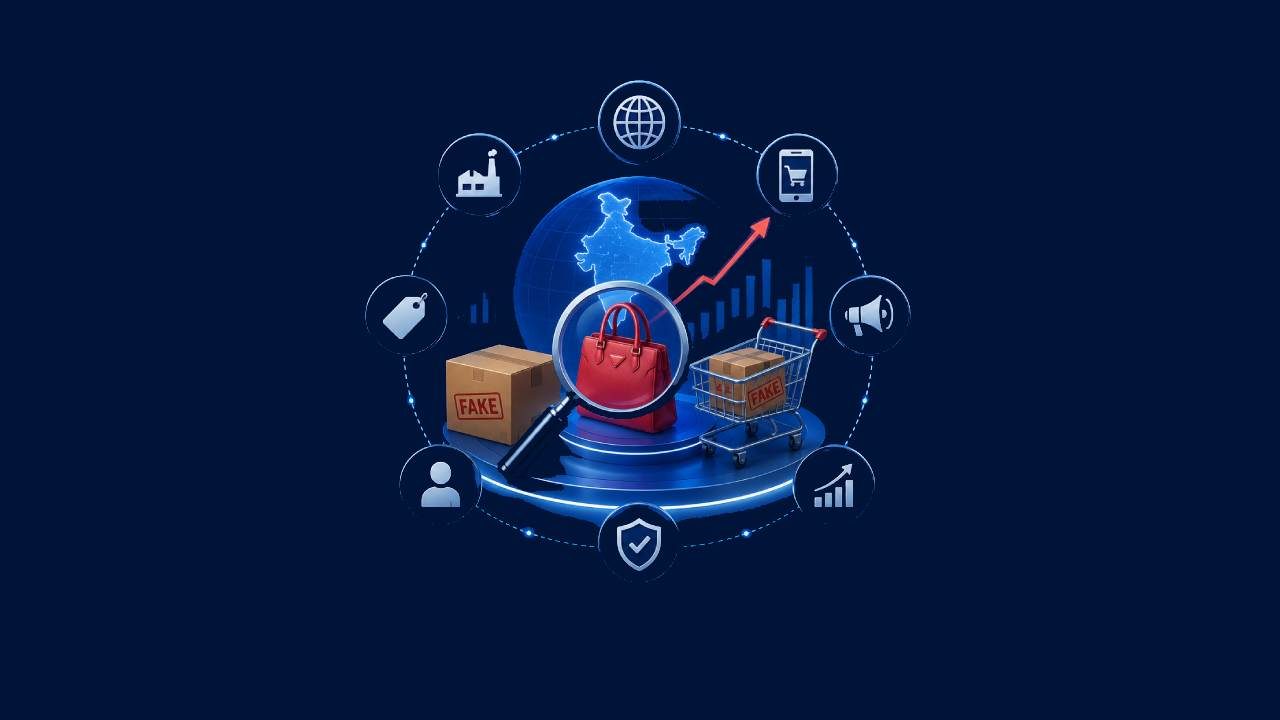
Counterfeiting has evolved into one of the most significant threats facing businesses in modern markets. Across industries such as pharmaceuticals, electronics, fashion, automotive products, cosmetics, and consumer goods, counterfeit products continue to grow in both volume and sophistication. The increase in counterfeiting in India is creating serious challenges for businesses seeking to protect their brands, maintain consumer trust, and safeguard revenues. As counterfeit networks adapt to technological advancements and changing consumer behaviour, organisations must understand the factors driving this rise and the emerging trends shaping the counterfeit landscape. Recognising these developments can help businesses strengthen their intellectual property protection strategies and respond more effectively to infringement risks.
Counterfeiting in India: Understanding the Growing Threat
The growth of counterfeit products is not a new phenomenon. However, recent market developments have accelerated the spread of counterfeit goods across both physical and digital channels. Counterfeiters are becoming more organised and technologically capable. Modern counterfeit products often closely resemble genuine goods, making it increasingly difficult for consumers to distinguish between authentic and fake items. As businesses expand their market reach and ecommerce continues to flourish, counterfeiters are gaining access to larger customer bases than ever before. The result is a growing challenge for brand owners who must continuously monitor and protect their intellectual property rights.
The Economic Impact of Counterfeiting
Counterfeiting affects businesses of all sizes. Large multinational corporations and emerging Indian brands are equally vulnerable to infringement. The financial consequences often include reduced sales, loss of market share, increased enforcement costs, and damage to brand reputation. Consumers who unknowingly purchase counterfeit products may lose confidence in legitimate businesses when product quality fails to meet expectations. The impact extends beyond individual companies. Counterfeit trade can affect tax revenues, employment opportunities, innovation, and broader economic growth. As India’s consumer market continues to expand, counterfeit activities are becoming increasingly attractive to organised infringers seeking unlawful profits.
Rapid Growth of Ecommerce Platforms
One of the most important factors contributing to rising counterfeiting is the growth of online commerce. Digital marketplaces provide counterfeit sellers with easy access to consumers across multiple regions. Unlike traditional retail operations, online sellers can establish accounts quickly and reach large audiences with minimal investment. Many counterfeit products are promoted using copied photographs, misleading descriptions, and unauthorised use of trademarks. The increasing popularity of online shopping has created new opportunities for counterfeiters while making enforcement more complex for brand owners. Businesses must monitor online marketplaces regularly to identify infringing listings before they gain traction.
Increased Consumer Demand for Low Cost Alternatives
Economic pressures often influence purchasing decisions. Many consumers actively seek lower priced alternatives to branded products. Counterfeit sellers exploit this demand by offering goods at significantly reduced prices while presenting them as genuine products. In some cases, consumers knowingly purchase counterfeit items due to affordability concerns. In others, buyers are misled into believing they are purchasing authentic goods. This demand driven environment contributes significantly to the continued growth of counterfeit markets. Consumer education remains an important element of any effective anti counterfeiting strategy.
Advances in Manufacturing Technology
Technological developments have made it easier for counterfeiters to replicate genuine products. Modern production methods allow counterfeit goods to closely imitate packaging, labelling, logos, and product design elements. Some counterfeit products are now sophisticated enough to evade detection during casual inspection. Access to advanced printing technologies, digital design tools, and global supply networks has lowered barriers to entry for counterfeit operations. As counterfeit quality improves, businesses face greater challenges in identifying and removing infringing products from the marketplace.
Expansion of Cross Border Trade
Global trade networks have contributed to the growth of counterfeit activity. Counterfeit products are often manufactured in one jurisdiction, shipped through multiple countries, and sold in another market. This complexity creates enforcement challenges and makes it difficult to trace the origin of infringing goods. Many counterfeit products entering India are distributed through both physical and online channels. To address these risks, businesses can utilise border protection mechanisms available through the [Central Board of Indirect Taxes and Customs]. Customs enforcement plays a valuable role in preventing counterfeit products from entering commercial distribution channels.
Rising Sophistication of Counterfeit Networks
Counterfeiting operations have become increasingly organised. Rather than operating independently, many counterfeiters now function through coordinated networks involving manufacturers, distributors, logistics providers, and online sellers. These networks often utilise multiple sales channels simultaneously to maximise market reach and reduce detection risks. As a result, enforcement efforts frequently require comprehensive investigations and coordinated legal action. Businesses facing widespread infringement often seek assistance from skilled counterfeit protection lawyers to develop effective enforcement strategies and disrupt organised counterfeit networks.
Weak Consumer Awareness in Certain Sectors
Consumer awareness remains inconsistent across many industries. While some consumers actively verify product authenticity before making purchases, others may not recognise warning signs associated with counterfeit goods. Limited awareness allows counterfeit products to circulate more easily within the marketplace. Businesses can reduce this risk through educational campaigns, product authentication initiatives, and clear communication regarding authorised sales channels. Empowering consumers with information helps create an additional layer of protection against counterfeit activities.
Social Media as a Counterfeiting Channel
Social media platforms have become important distribution channels for counterfeit products. Counterfeit sellers frequently advertise fake goods through social networking platforms, messaging applications, and influencer driven promotions. These channels allow sellers to engage directly with consumers while avoiding traditional marketplace oversight. The rapid spread of promotional content can significantly increase counterfeit product visibility within a short period. Businesses must therefore monitor social media activity alongside traditional ecommerce platforms as part of their brand protection programmes.
Inadequate Brand Protection Measures
Many businesses remain reactive rather than proactive when it comes to intellectual property protection. Some organisations delay trademark registration, fail to monitor marketplaces consistently, or neglect to establish enforcement procedures. These gaps create opportunities for counterfeiters to exploit brand recognition without facing immediate consequences. Trademark registration remains one of the most effective tools available for protecting intellectual property rights. Businesses can verify and manage trademark records through the [Office of the Controller General of Patents, Designs and Trade Marks]. A comprehensive intellectual property strategy provides a stronger foundation for enforcement efforts.
Emerging Industries Are Becoming Targets
Historically, counterfeiters focused on luxury goods and high value consumer products. Today, emerging industries including health supplements, wellness products, electronics accessories, sustainable goods, and specialised consumer products are increasingly targeted. As new sectors gain popularity, counterfeiters often move quickly to exploit growing demand. Businesses operating in rapidly expanding industries should prioritise intellectual property protection from the earliest stages of brand development. Early intervention can significantly reduce future enforcement challenges.
The Role of Artificial Intelligence and Digital Tools
Technology is creating both opportunities and challenges in the fight against counterfeiting. Counterfeiters increasingly use digital tools to create realistic product images, promotional content, and marketplace listings. At the same time, businesses are leveraging artificial intelligence driven monitoring systems to identify suspicious listings, detect infringement patterns, and automate enforcement activities. Technology will continue to play a critical role in shaping future anti counterfeiting efforts. Organisations investing in advanced monitoring capabilities are often better positioned to respond quickly to emerging threats.
Why Businesses Must Adopt Proactive Protection Measures
Waiting until counterfeit products become widespread can result in substantial financial and reputational harm. Businesses should implement proactive brand protection measures including trademark registration, marketplace monitoring, supply chain oversight, consumer education, and regular intellectual property audits. Early detection allows organisations to respond before infringement escalates into a larger commercial problem. Many businesses collaborate with premier intellectual property lawyers to establish long term protection frameworks tailored to their industry and risk profile. A proactive strategy is generally more effective and cost efficient than responding only after significant damage has occurred.
Conclusion
The rise of counterfeiting in India reflects changing market dynamics, technological advancements, growing ecommerce adoption, and increasingly sophisticated counterfeit networks. While these trends present significant challenges, businesses can reduce risks through strong intellectual property protection, continuous monitoring, consumer awareness initiatives, and strategic enforcement. Understanding the factors driving counterfeit growth is the first step towards building an effective brand protection programme. Organisations that invest in prevention, detection, and enforcement are better positioned to protect their reputation, preserve customer trust, and maintain long term commercial success.
Frequently Asked Questions (FAQs)
Why is counterfeiting increasing in India?
Counterfeiting is increasing due to ecommerce growth, technological advancements, consumer demand for lower priced products, and the expansion of organised counterfeit networks.
Which industries are most affected by counterfeiting in India?
Industries commonly affected include pharmaceuticals, fashion, electronics, cosmetics, automotive products, consumer goods, and luxury brands.
How does ecommerce contribute to counterfeiting?
Online marketplaces provide counterfeit sellers with broad consumer access, low operating costs, and opportunities to conceal their identities.
What are the financial effects of counterfeit products on businesses?
Counterfeiting can lead to reduced sales, loss of market share, increased enforcement expenses, and reputational damage.
How can businesses protect themselves from counterfeit products?
Businesses can register trademarks, monitor marketplaces, educate consumers, strengthen supply chain controls, and pursue legal enforcement where necessary.