
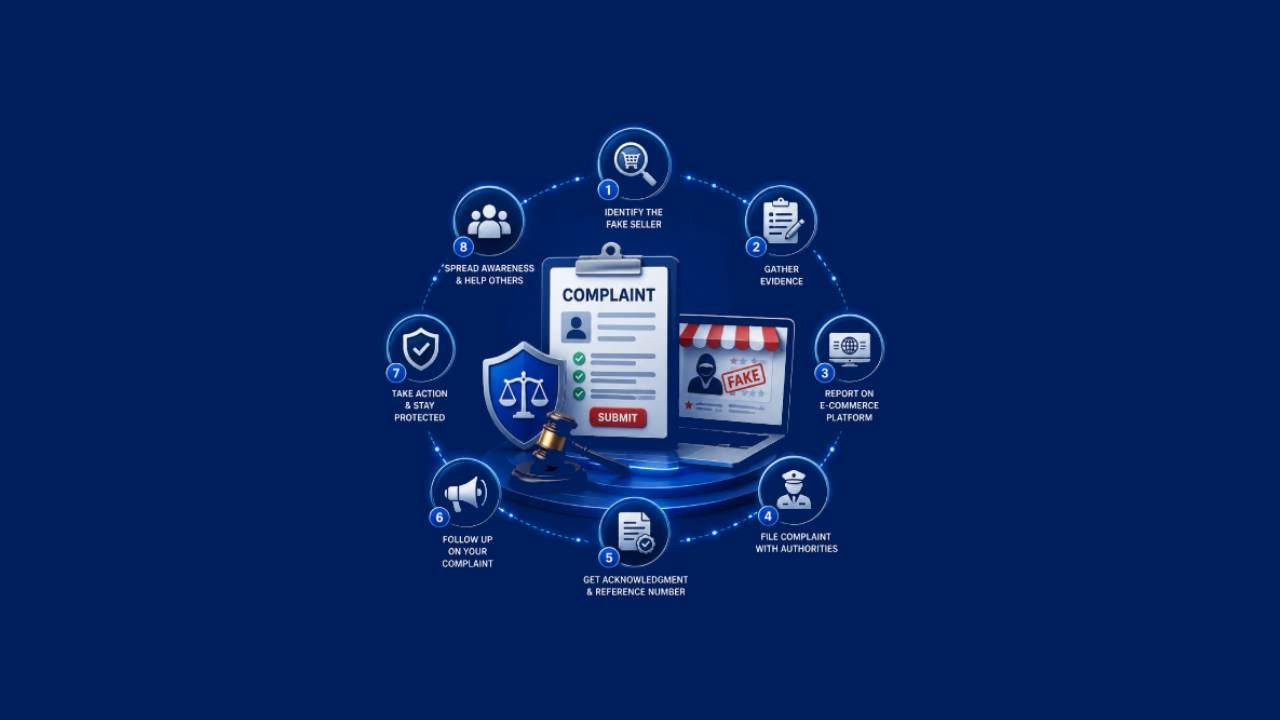
Counterfeit products have become a major concern for businesses and consumers across India. From luxury brands and electronics to pharmaceuticals and consumer goods, fake products continue to enter the market and cause significant financial and reputational damage. If you discover counterfeit goods bearing your trademark, taking prompt legal action is essential. Filing a complaint against counterfeit sellers is one of the most effective ways to protect your brand, prevent consumer deception, and enforce intellectual property rights.
India provides several legal mechanisms to help brand owners combat counterfeiting. Understanding the complaint process can help businesses respond quickly and strengthen their enforcement strategy.
Why Counterfeit Selling Is a Serious Legal Issue
Counterfeit sellers intentionally use trademarks, logos, packaging, and branding elements without authorization to mislead consumers into believing they are purchasing genuine products.
Apart from causing financial losses to brand owners, counterfeit goods can expose consumers to serious risks. In sectors such as healthcare, cosmetics, automotive parts, and food products, counterfeit items may compromise safety and quality standards.
The Indian legal system treats counterfeiting as both a civil and criminal offence. Trademark owners have various remedies available under the Trade Marks Act, 1999 and other applicable laws.
Complaint Against Counterfeit Sellers: Understanding Your Legal Rights
Before filing a complaint against counterfeit sellers, businesses should understand the legal rights available under Indian law.
A registered trademark grants exclusive rights to use the mark in relation to goods and services covered by registration. Trademark owners can initiate civil proceedings, criminal action, customs enforcement measures, and online platform complaints against infringers.
Trademark details can be verified through the official records maintained by the [Office of the Controller General of Patents, Designs and Trade Marks](https://ipindia.gov.in/?utm_source=chatgpt.com).
Even businesses with unregistered trademarks may seek protection through passing off actions if they can demonstrate goodwill and market reputation.
Identifying Counterfeit Activities
The first step involves confirming whether infringement has actually occurred.
Common signs of counterfeit activity include unauthorized use of trademarks, imitation packaging, suspiciously low prices, poor product quality, unauthorised distribution channels, and misleading online listings.
Businesses should carefully compare the suspected products with genuine goods to identify similarities and differences.
A proper assessment helps determine the most appropriate enforcement strategy.
Gathering Evidence Before Filing a Complaint
Evidence is the foundation of any successful anti counterfeiting action. Strong documentation increases the likelihood of effective enforcement and legal success.
Relevant evidence may include:
- Samples of counterfeit products
- Product packaging
- Purchase invoices
- Photographs and videos
- Screenshots of online listings
- Customer complaints
- Advertising materials
- Distribution records
Businesses should preserve all evidence in its original form wherever possible.
Professional investigators are often engaged to identify manufacturing locations, storage facilities, and distribution networks associated with counterfeit operations.
Filing a Police Complaint Against Counterfeit Sellers
One of the most effective remedies available to trademark owners is filing a criminal complaint with law enforcement authorities.
Counterfeiting involving registered trademarks may attract criminal penalties under the Trade Marks Act, 1999. Police authorities have powers to investigate complaints, conduct raids, seize counterfeit goods, and prosecute offenders.
The complaint should clearly explain:
- Ownership of the trademark
- Nature of infringement
- Details of suspected counterfeit activities
- Locations involved
- Supporting evidence
Providing complete and accurate information helps authorities initiate prompt action.
Many businesses work closely with anti counterfeit legal experts to prepare detailed complaints and coordinate enforcement efforts with investigating agencies.
Initiating Civil Proceedings
Alongside criminal action, trademark owners may pursue civil remedies through the courts.
A civil trademark infringement suit can seek:
- Permanent injunctions
- Interim injunctions
- Damages
- Account of profits
- Destruction of counterfeit goods
- Delivery of infringing materials
Interim injunctions are particularly valuable because they can immediately restrain counterfeit sellers from continuing their activities while legal proceedings remain pending.
Indian courts have increasingly recognised the serious commercial harm caused by counterfeit products and often grant urgent relief where strong evidence exists.
Sending a Cease and Desist Notice
Before commencing litigation, many businesses issue a cease and desist notice.
This formal communication informs the infringer of the trademark owner’s rights and demands an immediate stop to all infringing activities.
A well drafted notice often encourages voluntary compliance and may resolve disputes without extensive litigation.
Where sellers ignore the notice, it can later serve as evidence of wilful infringement.
Conducting Search and Seizure Operations
Search and seizure operations play a critical role in anti counterfeiting enforcement.
Courts may authorise inspections of warehouses, manufacturing facilities, retail premises, and storage locations where counterfeit goods are suspected.
Such actions frequently result in the recovery of counterfeit inventory, packaging materials, labels, machinery, and business records.
These operations also assist in identifying additional participants involved in the counterfeit supply chain.
Filing Complaints Against Online Counterfeit Sellers
The rapid growth of ecommerce has increased the prevalence of counterfeit goods on digital marketplaces.
Most major online platforms maintain intellectual property protection mechanisms through which trademark owners can report infringement.
Businesses should regularly monitor online marketplaces, social media platforms, and independent websites for unauthorised use of their trademarks.
A complaint should generally include trademark ownership details, evidence of infringement, and information identifying the infringing listings.
Prompt reporting often results in swift removal of counterfeit products from online marketplaces.
Customs Enforcement Against Counterfeit Imports
Counterfeit products frequently enter India through international trade channels.
Trademark owners can seek border protection by recording their registered trademarks with the [Central Board of Indirect Taxes and Customs].
Once recorded, customs authorities may detain suspicious shipments and notify the trademark owner for verification and further action.
Customs enforcement serves as an important preventive measure against large scale counterfeiting operations.
Common Mistakes to Avoid When Filing a Complaint
Many businesses weaken their cases by delaying enforcement action or failing to preserve evidence properly.
Common mistakes include incomplete documentation, lack of trademark registration records, insufficient investigation, delayed reporting, and failure to monitor ongoing infringement.
Acting promptly improves the chances of successful enforcement and reduces the risk of counterfeiters moving operations or destroying evidence.
Seeking guidance from the best intellectual property attorneys can help businesses avoid procedural errors and strengthen their overall enforcement strategy.
Importance of a Long Term Anti Counterfeiting Strategy
Filing a complaint is only one part of an effective brand protection programme.
Businesses should adopt continuous monitoring practices, maintain updated trademark registrations, educate consumers about genuine products, conduct market investigations, and establish internal reporting systems.
A proactive strategy helps detect infringement early and reduces the long term impact of counterfeit activities.
Consistent enforcement also sends a strong message to infringers and strengthens brand reputation in the marketplace.
Conclusion
Counterfeit products can severely damage brand value, customer trust, and commercial growth. Fortunately, Indian law provides strong remedies for trademark owners seeking to protect their intellectual property rights.
When filing a **complaint against counterfeit sellers**, businesses should act quickly, gather comprehensive evidence, verify trademark ownership, and pursue appropriate civil and criminal remedies. Effective enforcement not only removes counterfeit products from the market but also strengthens long term brand protection and consumer confidence.
A well planned legal strategy remains one of the most powerful tools for combating counterfeiting and safeguarding business interests in India.
Frequently Asked Questions (FAQs)
How can I file a complaint against counterfeit sellers in India?
A complaint may be filed with police authorities, courts, customs authorities, or online marketplaces depending on the nature of the infringement and available evidence.
Is trademark registration necessary to take action against counterfeit products?
Trademark registration provides stronger legal protection and simplifies enforcement. However, unregistered trademark owners may still have rights through passing off actions.
Can police take action against counterfeit sellers?
Yes. Police authorities may investigate complaints, conduct raids, seize counterfeit goods, and initiate criminal proceedings against offenders.
What evidence is required for a counterfeit complaint?
Evidence may include trademark registration certificates, counterfeit product samples, invoices, photographs, screenshots, advertisements, and investigation reports.
Can online counterfeit listings be removed?
Most ecommerce platforms provide complaint mechanisms allowing trademark owners to request removal of infringing listings.